
Unbiased headlines. Facts, not spin.
Every story is an unbiased news briefing written from 110+ sources across the spectrum — sources linked so you can verify it yourself.
 economy
Major Story (7/10)
July 1, 2026 at 12:07 AM
economy
Major Story (7/10)
July 1, 2026 at 12:07 AM
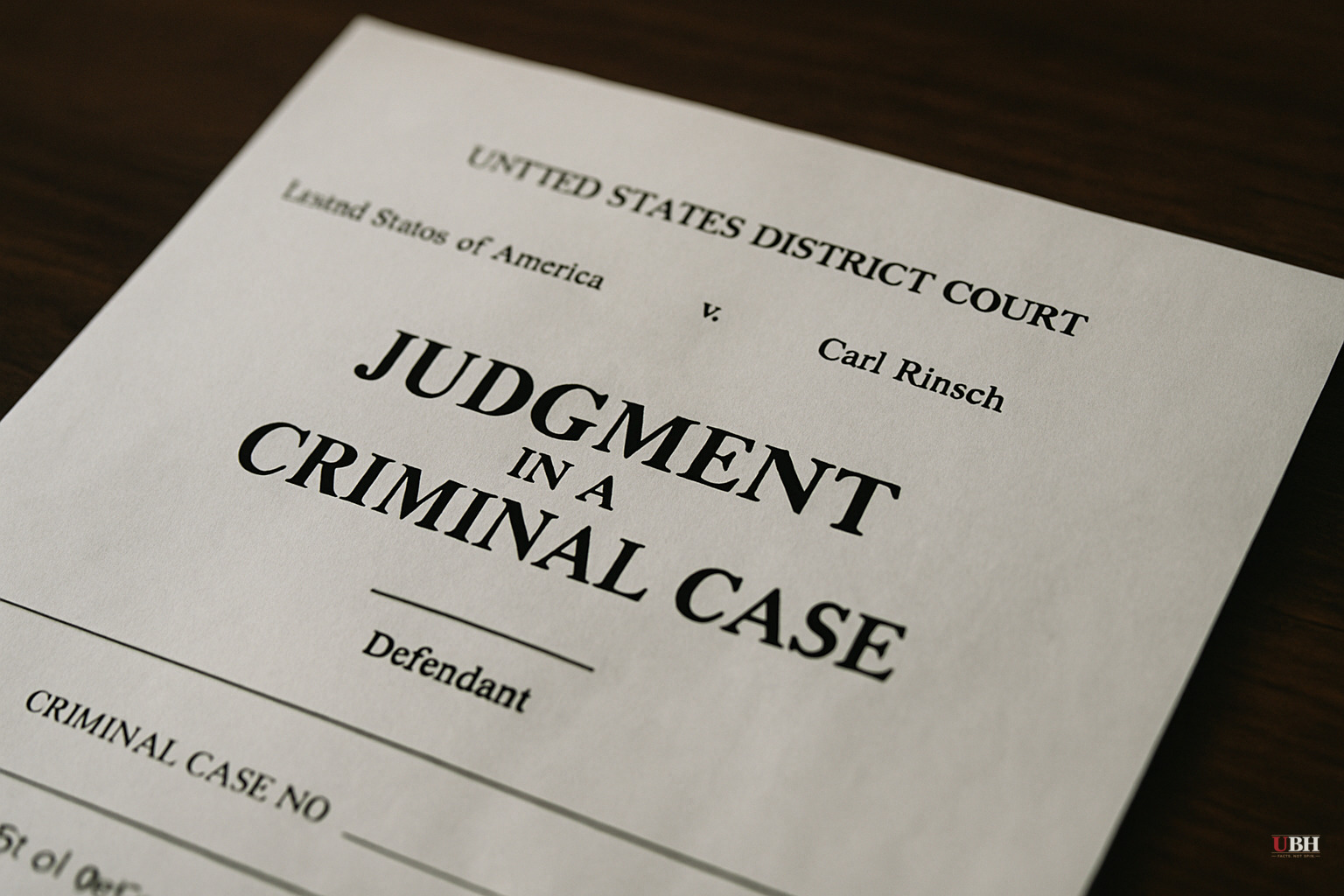
Director Carl Rinsch Gets 30 Months for Stealing $11 Million from Netflix, Spending It on Rolls-Royces and $638,000 in Mattresses
What He Did
Netflix had already paid Carl Rinsch approximately $44 million between 2018 and 2019 to produce "White Horse," a sci-fi series that never aired. In 2020, he told the streamer he needed another $11 million to wrap production. Netflix wired the money on March 6, 2020, according to the U.S. Attorney's Office for the Southern District of New York.
Rinsch transferred it immediately. According to prosecutors, the funds moved quickly through multiple accounts before roughly $10.5 million landed in a personal brokerage account within weeks.
Prosecutors detailed at least $2.4 million on five Rolls-Royces and a red Ferrari, at least $3.3 million on furniture, antiques, and mattresses — including $638,000 on two mattresses — $652,000 worth of watches and clothes, and about $1.8 million in credit card bills, plus another $295,000 on luxury bedding and linens. Some of the remaining money went into risky stock market bets, losing around half of the $11 million in a couple of months. Rinsch then moved what was left into cryptocurrency, where he netted some profit, and spent additional funds on personal expenses. Some money was used to pay attorneys hired to sue Netflix for more money and others to handle his divorce, according to the LA Times.
The Sentence
U.S. District Judge Jed S. Rakoff sentenced Rinsch to 30 months in federal prison on Monday. Prosecutors had pushed for five years.
"It is so easy to say, 'He did wrong. Send him away for a long, long time,'" Rakoff said, according to Global News. "This is another human being, and for all his issues, needs to be considered as a human being." The judge said the sentence should be "sufficient but no more than necessary."
In addition to prison time, Rinsch must forfeit $11 million, pay $700 in mandatory special assessments, and serve three years of supervised release. He also owes approximately $11 million in restitution. Rinsch is due to report to prison on September 1.
U.S. Attorney Jay Clayton issued a statement: "Carl Erik Rinsch orchestrated a scheme to steal millions by seeking $11 million from a subscription streaming service, falsely claiming that money would be used to finance a television show that he was creating."
Keanu Reeves Asked for Mercy
Reeves, who starred in Rinsch's most prominent project — the 2013 samurai film "47 Ronin" — submitted a letter to the court ahead of sentencing requesting leniency. Rinsch brought "exceptional joy and warmth to the people around him" and "creative inspiration to others through his creativity and vision," Reeves wrote, according to CBS News. He acknowledged Rinsch "can self-sabotage by amplifying the scale, scope and landscape of what had been negotiated," but asked that the sentence "be tempered with measures of leniency and mercy as well as justice."
Reeves said he did not know the details of the case.
The Mental Health Defense
Rinsch and his legal team argued at sentencing that his behavior was driven by mental health struggles and medication problems, which they said he is now working to address with a new care provider. "This process has forced me to confront things about my health, my judgment and my life," Rinsch told the court. "I failed to recognize the danger of the state I was in."
His specific psychological condition was never described in court, and his attorneys declined to provide further detail afterward, according to CBS News and the LA Times.
Prosecutor David Markewitz was unpersuaded. "Mr. Rinsch had every possible advantage — family money, an elite education, famous friends and a high-flying career," he told the court, according to Global News. His motive, Markewitz said, "was naked greed."
Background
Rinsch was indicted in March 2025. He was arrested in West Hollywood and released the same day after posting a $100,000 bond, according to the LA Times. A federal jury convicted him in December on wire fraud, money laundering, and related counts.
"White Horse" was never finished. Netflix's approximately $44 million initial investment, plus the $11 million Rinsch defrauded from the streamer, produced nothing audiences ever saw.
The open question now is recovery. Rinsch owes $11 million in restitution, but prosecutors established that he lost more than half the stolen funds in failed stock bets. Whether Netflix ultimately recoups a significant portion will depend on what assets, if any, remain after forfeiture proceedings, and those details have not been made public.
Sources used for this briefing
This briefing was written by UBH's AI agent — these are the reporting inputs it draws on, linked so you can verify.


