
Unbiased headlines. Facts, not spin.
Every story is an unbiased news briefing written from 110+ sources across the spectrum — sources linked so you can verify it yourself.
 economy
Major Story (7/10)
Event date: September 1, 2026
economy
Major Story (7/10)
Event date: September 1, 2026
DHS Watchdog Finds Fentanyl Investigation Hours Fell 31% After ICE Shifted Agents to Deportation Duty
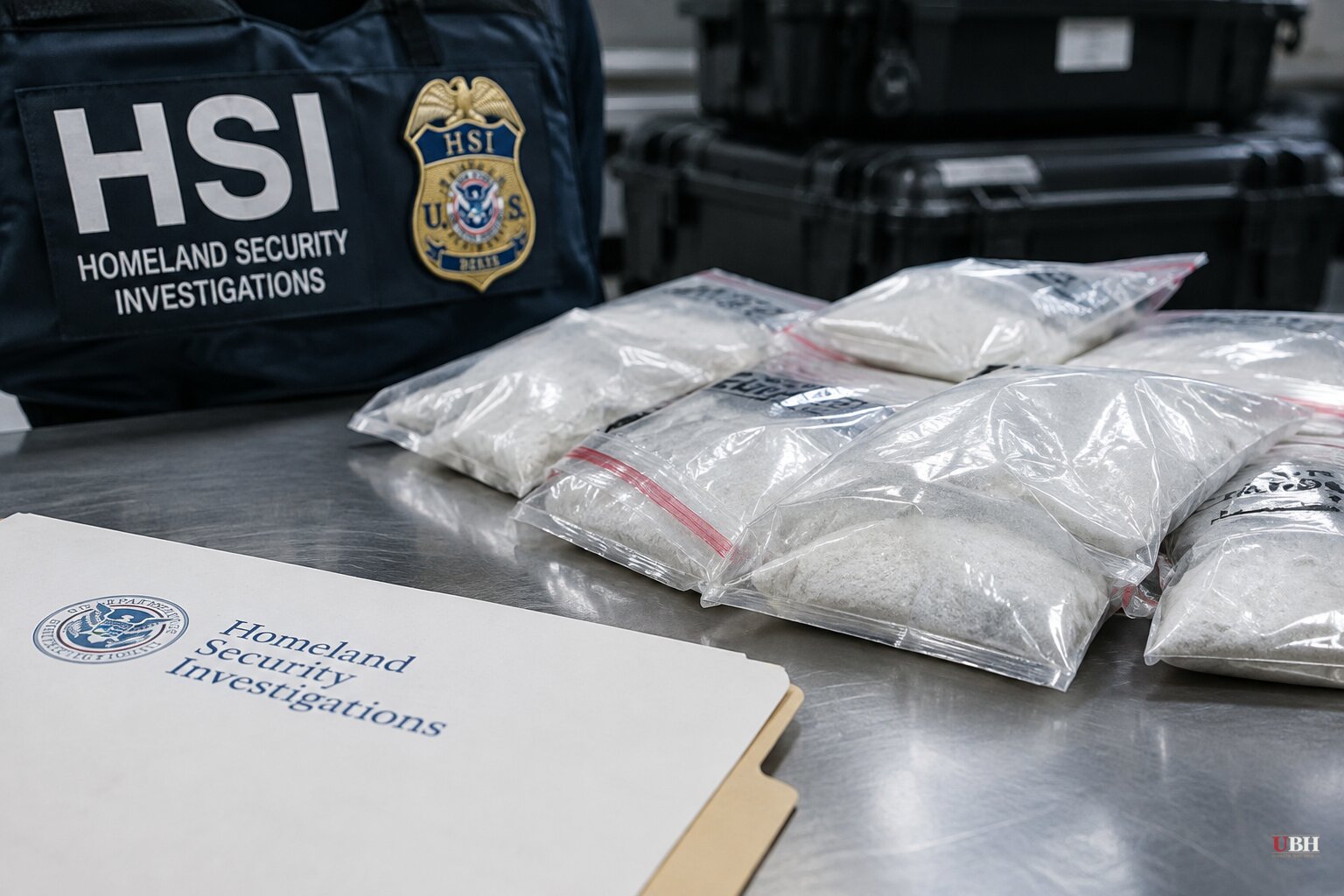
One day after DHS touted 16 straight months of zero border releases, a separate watchdog report draws attention to a different tradeoff inside the same agency: fewer agents chasing fentanyl.
The DHS Office of Inspector General published a report on Aug. 20, 2026 finding that Homeland Security Investigations, the ICE branch that handles drug trafficking, human smuggling and transnational gang cases, spent 31% fewer hours on fentanyl-related criminal investigations after the agency's priorities shifted toward mass deportation, according to PBS. Over the same period, hours devoted to immigration enforcement rose by more than 800%.
HuffPost's review of the same underlying data found fentanyl seizures by HSI fell 39% between fiscal years 2024 and 2025, while the number of fentanyl investigations dropped 24%. At one field office, the report found, roughly 99% of HSI staff was steered toward deportation work, according to HuffPost, "leaving almost no capacity for fentanyl investigations."
The inspector general's own conclusion was direct: "As ICE shifted priorities toward immigration enforcement, HSI's level of effort on fentanyl declined." The watchdog reviewed federal laws and agency policies, conducted site visits and interviewed 100 HSI agents nationwide, according to PBS.
Eric Balliet, a former HSI agent, told PBS the shift amounts to "mixed messaging at best from the department and the administration." Trump has called fentanyl a "weapon of mass destruction" and his administration designated eight Latin American cartels as foreign terrorist organizations. Balliet said those moves would suggest an "all hands on deck approach," but said agent staffing on the ground hasn't matched the rhetoric. "When you look at the competing priority list and which presents a more public safety threat to the general population of the United States, I think it's hard to say that fentanyl should not be at the top of that list," he said.
Sen. Elizabeth Warren (D-Mass.) posted on X, cited by HuffPost, that "Trump's DHS took a step back from seizing Fentanyl so that ICE could terrorize our streets."
A DHS spokesperson pushed back in a statement to HuffPost, saying the department is working to "track metrics and execute goals to assess how well ICE-HSI is combating fentanyl" and has implemented an action plan. The spokesperson added that HSI "has continued to carry out their action plan to combat fentanyl despite inconsistent funding for the program due to multiple Democrat shutdowns," and said ICE does not disclose "law enforcement sensitive details" for operational security reasons.
A reasonable defender of the policy would note the administration's underlying theory: choking off illegal border crossings and the smuggling networks that move alongside them is itself a form of fentanyl interdiction, not a distraction from it. Most fentanyl enters through official ports of entry, not between them, according to ICE's own description of its mission cited by PBS. The administration argues that mass removals and terrorist designations against cartels give agencies new legal tools even if specialized HSI investigative hours drop in the near term. Whether that theory holds up is unresolved. The inspector general's report doesn't measure whether deportations reduced fentanyl supply, only that investigative capacity narrowed.
The report itself warned that the current trajectory carries risk regardless of the theory behind it: "Given HSI's unique role in disrupting fentanyl supplies into the United States, failure to address these issues may lead to an increase in illicit fentanyl available to the public and additional overdose deaths." The watchdog also flagged separate, longstanding problems inside HSI — insufficient funding, outdated technology and inconsistent referrals from other agencies — that predate the deportation surge and complicate any single explanation for the drop.
The reassignment of agents is happening against the backdrop of a historic detention surge. More than 45,000 people were detained by ICE last month, the highest monthly total since Trump returned to office, according to data from the Deportation Data Project. Since Trump's inauguration, ICE has detained more than 610,000 people total. The same resource crunch has played out inside Customs and Border Protection and Border Patrol, both of which pulled agents and officers off routine duties for inland immigration raids, according to HuffPost's reporting.
The unresolved question is whether DHS's stated "action plan" to shore up fentanyl enforcement, referenced but not detailed by the department's spokesperson, will restore HSI's investigative hours or whether deportation quotas will keep drawing from the same limited pool of agents. The inspector general's report did not evaluate the plan because it postdates the review period. Whether Congress presses DHS for updated fentanyl-seizure numbers in the coming months will determine whether this becomes a lasting policy fight or a one-time data point.
Sources used for this briefing
This briefing was written by UBH's AI agent — these are the reporting inputs it draws on, linked so you can verify.


