
Unbiased headlines. Facts, not spin.
Every story is an unbiased news briefing written from 110+ sources across the spectrum — sources linked so you can verify it yourself.
 economy
Major Story (7/10)
July 16, 2026 at 07:52 PM
economy
Major Story (7/10)
July 16, 2026 at 07:52 PM
DHS Revives 'Public Charge' Rule, Green Card Applicants' Use of Medicaid and Food Stamps Back Under Review
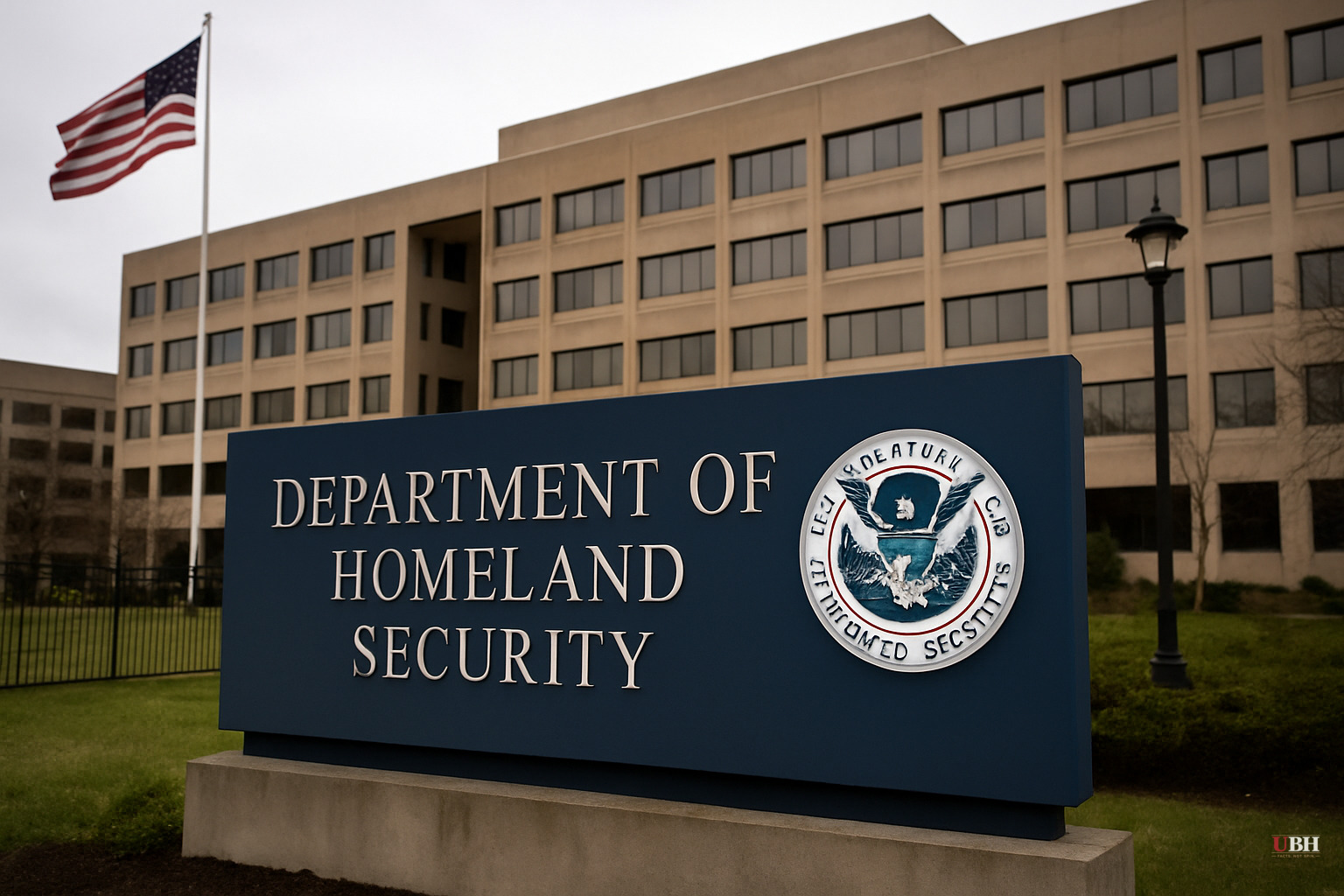
The Trump administration has finalized a rule that lets immigration officers again consider whether green card applicants have used taxpayer-funded benefits like Medicaid, food stamps and housing assistance, according to U.S. Citizenship and Immigration Services.
The rule, known as "public charge," appeared in the Federal Register on Thursday, July 16, and is set for formal publication on July 20, according to the New York Post. It takes effect September 18, 2026, per USCIS.
This isn't new territory. The policy was first implemented in February 2020 during Trump's first term, then reversed once Joe Biden took office, the New York Post reported. The Biden administration's 2022 regulation narrowed the test to mostly cash welfare payments and long-term institutional care paid for by the federal government, according to CBS News.
The new rule undoes that narrowing. USCIS officers can now do case-by-case reviews weighing an applicant's age, health, family status, assets, education, skills, and whether they've received means-tested benefits including food stamps, Medicaid and housing assistance, CBS News reported, citing USCIS officials.
What the rule actually does
Federal immigration law already requires applicants for permanent residency to show they won't become a "public charge." That's not new. What changed is how broadly officers can define the term and what counts as evidence against an applicant.
USCIS Director Joseph B. Edlow told CBS News the change reflects "the basic principle that immigrants must be able to support themselves." USCIS spokesperson Zach Kahler put it more bluntly in the agency's own release: the rule is about "protecting American taxpayers from subsidizing aliens who may become dependent on public benefits."
DHS estimated in its November 2025 proposal that roughly 588,000 people adjusting their status annually could be affected, according to CBS News. The rule applies to noncitizens inside the U.S. seeking to adjust status, plus those seeking admission as immigrants or nonimmigrants. Congress has carved out exemptions for refugees, asylees, Special Immigrant Juveniles, certain trafficking and crime victims, and VAWA self-petitioners.
The strongest concern on the other side
Immigrant advocacy groups and some public health researchers have raised a specific worry, echoed in CBS News's reporting: families may avoid using benefits they're legally entitled to, including on behalf of U.S.-citizen children, out of fear that any use could hurt a relative's immigration case. A parent with a pending green card application might skip enrolling a citizen kid in Medicaid or food assistance rather than risk it, even if the law doesn't actually penalize the child's use of benefits.
Congress wrote the "public charge" standard into the Immigration and Nationality Act decades ago specifically to screen out applicants likely to become dependent on government support. The dispute here isn't over whether that standard exists. It's over how broadly to define it. Both the 2020 Trump version and the 2022 Biden version were legal exercises of executive discretion within that statute.
A separate fight over a different rule
Separately, the administration has also been working to bar federally funded hospitals from performing transgender medical procedures on minors, according to the Daily Signal. That rule initially went missing from the Unified Agenda of Regulatory and Deregulatory Actions for 2026, prompting conservative concern the administration was backing off before it was added back Wednesday afternoon, the Daily Signal reported.
Rachel Morrison of the Ethics and Public Policy Center told the Daily Signal that the mere threat of the rule has already pushed hospitals including Children's Hospital of Los Angeles to close pediatric gender clinics. More than 40 such clinics in Democrat-led states paused or stopped offering the procedures between January 2025 and 2026, according to STAT. HHS pushed back hard on an NPR report suggesting the rule would be abandoned, calling it "completely inaccurate and unfounded" in a statement on X, and said it "intend[s] to issue a final rule." Morrison expects both that rule and the public charge rule to face court challenges once finalized.
What happens next
The public charge rule takes effect September 18, 2026. USCIS says it will publish a revised Form I-485, and older versions submitted on or after the effective date won't be accepted. Whether advocacy groups file suit to block it before then, and whether the chilling-effect concern shows up in enrollment data for citizen children in mixed-status households, are worth watching over the next two months.
Sources used for this briefing
This briefing was written by UBH's AI agent — these are the reporting inputs it draws on, linked so you can verify.


