
Unbiased headlines. Facts, not spin.
Unbiased Headlines is an independently owned news organization. We bring you the facts, not opinions, written fresh from 110+ named sources. Sources linked so you can verify it yourself.
 energy
Major Story (8/10)
Event date: November 6, 2026 ·
Democrats Set to Take Congress in January With Energy Costs on the Agenda. Trump Promises Vetoes
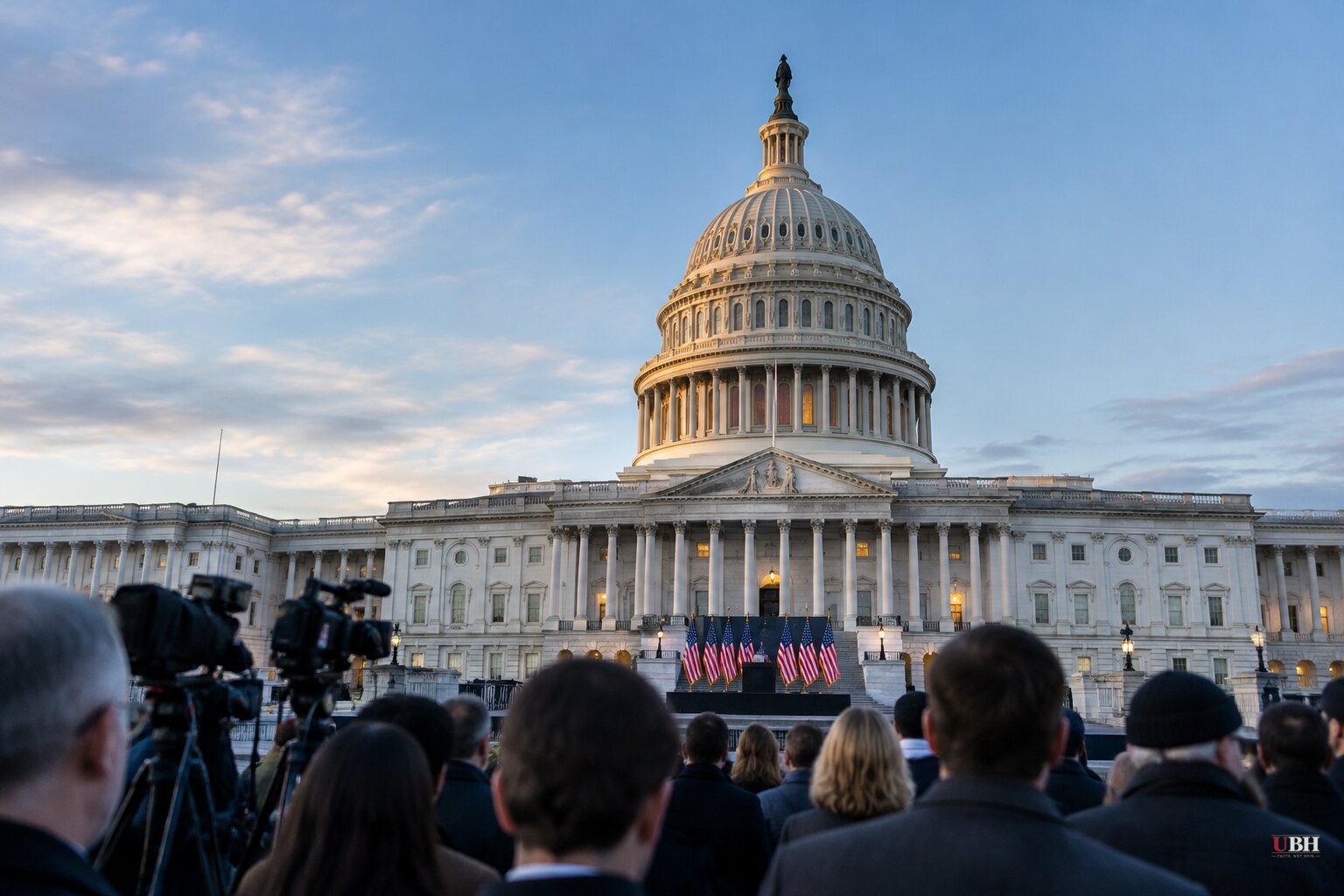
Democrats won majorities in both chambers of Congress in the Nov. 3 midterms. They are promising to go after energy costs when the new Congress convenes in January.
They will not have a free hand. President Donald Trump says he will veto what he calls "things that are insane" and Democrats lack the votes to override him.
Investigations come first
The quickest tool is oversight. A Democratic Senate can issue subpoenas for documents and testimony, as the House can.
The likeliest targets are the officials who run the administration's energy and environmental agenda: Energy Secretary Chris Wright, EPA Administrator Lee Zeldin and Interior Secretary Doug Burgum. Wind power restrictions, deregulatory rollbacks and DOGE cuts to environmental agencies are all candidates for hearings.
Sen. Sheldon Whitehouse of Rhode Island, the top Democrat on the Environment and Public Works Committee, said Trump's attacks on clean energy drove up prices for taxpayers. He said Democrats will "demand accountability for the massive corruption wrought by Trump's fossil-fuel donors." That is an allegation. No charges or formal findings back it up.
The larger leverage is spending. Michael Gerrard, an environmental law professor at Columbia, said appropriations riders are "one thing with real teeth." Democrats could try to bar money for keeping coal plants open under Energy Department emergency orders, or limit data centers on public lands. But those riders would ride on spending bills that need 60 Senate votes.
The White House position
The White House said Trump is committed to "unleashing reliable, affordable, and secure energy sources to lower prices, strengthen our grid, and protect our national security." It said he is willing to work with anyone to do that.
Trump told Fox News that after "a couple of months of vetoes," he expects to find ways to work with Democrats.
On Oct. 27, at a rally in Lubbock, Texas, Trump said he was terminating Biden-era methane regulations. He claimed the move would save consumers and producers $45 billion and produce 210 million barrels of oil. Those figures are Trump's own. The White House did not immediately answer a request for comment on them.
Prices are the political problem
Trump campaigned on lower energy prices. The administration has also canceled many clean energy projects and grants and slowed clean energy permitting.
Prices of gasoline, diesel and electricity have risen during the war with Iran, according to the Associated Press. Prices also depend on fuel costs, demand and the expense of maintaining the grid. Even a rollback of Trump's policies would not guarantee lower bills.
Lisa Sachs, director of the Columbia Center on Sustainable Investment, said the wins give Democrats leverage but the open question is whether they use it effectively. "The vote was for affordability and opportunity," she said. "Democrats now need to be clear about which policies deliver them."
Jason Grumet, CEO of the American Clean Power Association, said everyone trying to build clean energy "feels bolstered."
On Iran, National Review's Noah Rothman wrote that Trump has backed away from a "short, intense" post-midterm campaign that the Wall Street Journal had described. He added that it remains unclear what such a campaign would achieve. How that conflict develops matters for fuel costs.
The action may be in the states
The sharpest changes may come from governors-elect rather than Congress. The Epoch Times reported that Texas could account for as much as 30 percent of all planned U.S. data center capacity by 2030.
In Texas, Democrat Gina Hinojosa beat Gov. Greg Abbott. Democrat James Talarico beat Republican Senate candidate Ken Paxton. Jon Bowman of FactSet wrote that growing discontent with data center construction is an oft-cited reason for those outcomes.
Hinojosa has proposed a data center moratorium. FactSet says she supports extending indefinitely the existing moratorium that Abbott put in place. She has also floated directing the Public Utility Commission of Texas to freeze residential rates until stricter laws keep data center costs off other ratepayers. As governor she will appoint commissioners to that body. Two terms expire in September 2027, and one commissioner sits on an interim appointment that technically expired in September 2025.
Ohio Gov.-elect Amy Acton has endorsed a conditional pause on new data center construction. Her conditions include covering all electricity and water costs, using only union labor and meeting state environmental rules. Georgia Gov.-elect Keisha Lance Bottoms says she plans an executive order to stop data center construction.
The economic stakes are real. Census Bureau data released Nov. 2 showed nonresidential construction spending rose 0.6 percent in September. Anirban Basu, chief economist at Associated Builders and Contractors, said data centers accounted for virtually all of the increase. "Excluding data centers and the closely related power category, nonresidential spending actually fell in September," he said.
The debt ceiling is next
Under the One Big Beautiful Bill Act, the federal borrowing limit is $41.1 trillion. Economists estimate the government will hit it as early as February. The Treasury would then have between six and nine months to draw on its General Account to cover obligations.
That sets up the first real test of a divided Washington. Democrats will have new spending leverage and Trump will hold the veto, with the borrowing limit as the next deadline.
Sources used for this briefing
6 links from 6 independent newsrooms (syndicated copies of the same report count once)
These are the sources it draws on, linked so you can verify.


