
Unbiased headlines. Facts, not spin.
Unbiased Headlines is an independently owned news organization. We bring you the facts, not opinions, written fresh from 110+ named sources. Sources linked so you can verify it yourself.
 energy
Notable (5/10)
Event date: November 4, 2026 ·
Semirara halts Acacia coal mine over seawater inflows while DOE reruns auction for the island's blocks
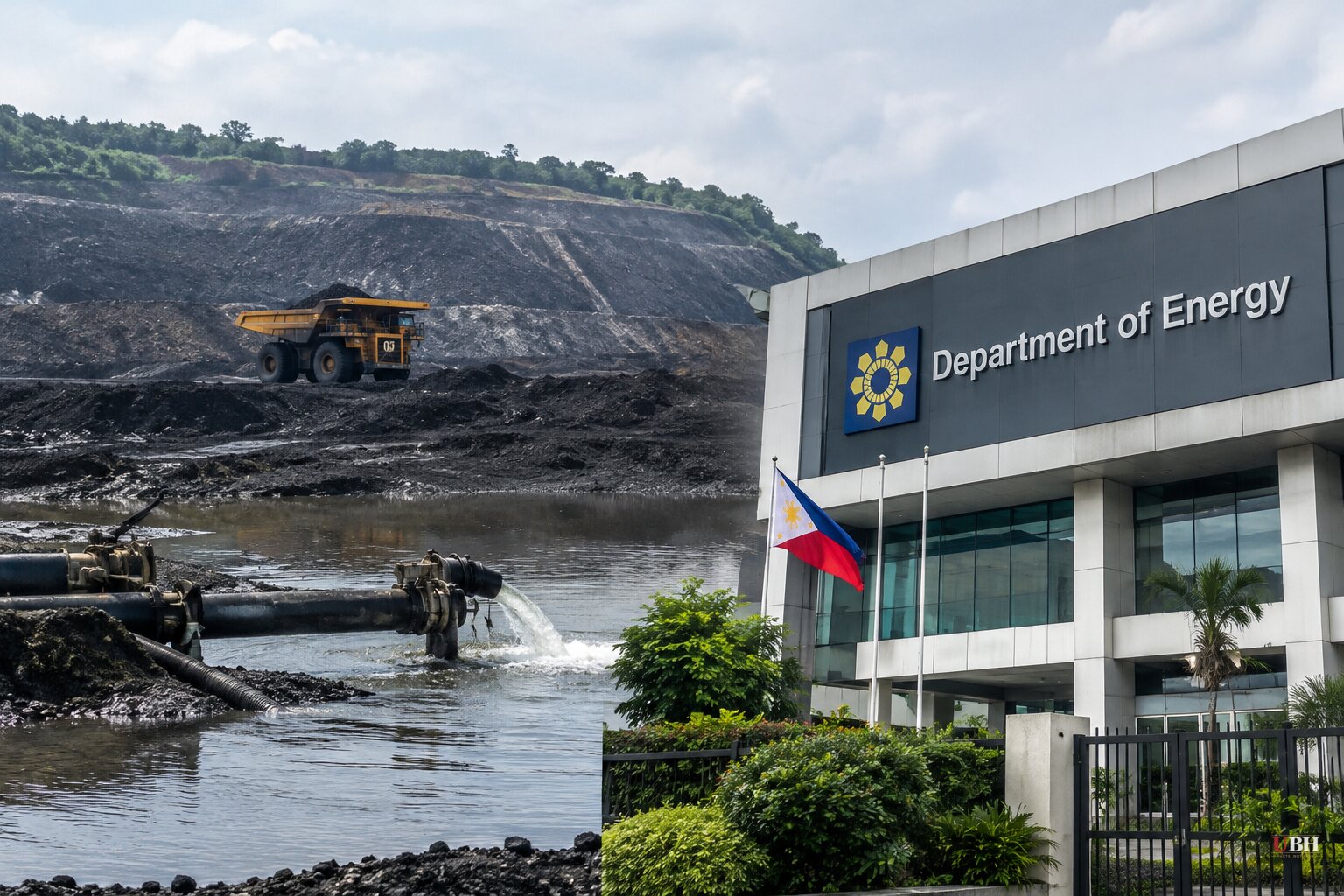
The Philippines' biggest coal-producing site now has a flooded mine, an expiring contract and an auction fight, all at once.
Semirara Mining and Power Corp. (SMPC), the Consunji-led operator, suspended mining at its Acacia mine on Semirara Island in Caluya, Antique, effective Nov. 10. The company told the Philippine Stock Exchange about it on Nov. 11, calling the halt a precautionary measure for mine safety.
Seawater beat the pumps
SMPC said seawater inflows at Acacia peaked at nearly 40,000 cubic meters per hour over the past year. That is roughly 16 Olympic-sized swimming pools every hour.
The volume exceeded the mine's pumping capacity. The company said it kept pumping and is building and maintaining a cut-off wall to control water levels and ground stability. Difficult ground conditions added to the safety concerns.
SMPC has not given a reopening date. It said it is focused on improving conditions "to enable safe resumption of mining operations, subject to the effective management of seawater inflows."
A long-term fix would take "substantial investment" in pumping equipment, power systems and other infrastructure, the company said. It has not put a price on that, and it has not said whether it will spend the money.
Production shifts to Narra
Coal output now rests on the Narra mine, also on Semirara Island. SMPC said that as of Nov. 10 it had already hit its full-year 2026 target of 12 to 13 million metric tons, so this year's numbers are covered.
2027 is the problem. In an earlier disclosure, SMPC said disruption to stripping at Acacia, the removal of soil and rock to expose coal, would hit next year's output. Acacia had been expected to supply most of it.
The company said it cannot yet reasonably assess the financial impact because the suspension is temporary and work to control the inflows continues. It said it is coordinating with the Department of Energy (DOE) and will update investors on material developments.
The contract clock
SMPC's Coal Operating Contract No. 5, covering Semirara, expires July 14, 2027. The DOE is rebidding the island's blocks under Joint Administrative Order No. 2026-01, issued with the Department of Environment and Natural Resources.
The April auction was terminated in September, when the DOE scrapped the 2026 round and promised a rebid under revised rules.
The new notice of bidding covers three pre-determined areas the DOE estimates hold about 207 million metric tons of coal. Ten blocks are on Semirara. Three are in Amulung and Iguig, Cagayan, and five are in Benito Soliven, Naguilian and Cauayan, Isabela.
The DOE's indicative timeline:
- Nov. 13: pre-bid conference
- Dec. 11: bid submission deadline and bid opening
- Dec. 16: substantive evaluation ends
- Dec. 18: list of qualified bidders
- Dec. 21: financial proposals opened
- Dec. 28: highest-rated bidder identified
- Jan. 11, 2027: notice of award
- Jan. 13, 2027: target contract signing, about six months before the current contract lapses
Financial proposals will be ranked on government share (60% weight), domestic supply commitment (30%) and signature bonus (10%).
What bidders must put up
According to Bilyonaryo.com, Semirara bidders must commit to producing 60 million metric tons over five years and pay a non-refundable P1 billion signature bonus. The Cagayan and Isabela contracts carry a P200,000 signature bonus each.
Winning bidders must sell at least 35 percent of annual output to domestic buyers, and breaking that commitment is grounds for cancelling the contract. Bilyonaryo.com also reported a floor of 30 percent of net proceeds for the government share.
Existing operators or affiliates seeking new contracts over their current areas must account for assets that are fully or partly depreciated, amortized or cost-recovered, and turn them over for use under the new contracts. The DOE said it will not assume liability for compliance issues or pending legal disputes tied to those transfers.
The dispute over the rules
SMPC has challenged parts of the rules. It argues that the asset turnover requirement could undermine its existing rights.
Pangasinan 2nd District Rep. Mark Cojuangco has gone further. In a privilege speech he warned that delay and uncertainty around the auction could jeopardize energy security, since Semirara supplies a significant share of domestic coal for industry and power generation. He has since called for a congressional investigation into the DOE's handling of the auction, citing what he called restrictive bidding policies that could threaten the country's power supply.
The DOE's position, as reflected in the notice, is that a contract expiring in 2027 has to be re-awarded under rules that lock in domestic supply and a government share. Energy Secretary Sharon Garin has said the Semirara bidding costs her sleep. Philstar columnist Iris Gonzales wrote on Nov. 5 that the delays could leave the country with no Semirara coal by July 2027, depending on how the DOE proceeds.
Import exposure
The domestic stakes are sharper because the Philippines leans heavily on foreign coal. Garin said on Oct. 27 in Singapore that the country depends on Indonesia for 95 percent of its imported coal. She said that concentration carries risk even though Indonesian officials have assured Manila they will honor existing supply contracts.
The DOE is talking to the United States, Russia and Australia about alternative supply. It is also studying a domestic coal-blending facility, with Mindanao sites under consideration, to expand use of locally produced coal.
The next fixed date is Dec. 11, when bids are due and opened. What happens at Acacia before then, and whether SMPC bids to keep the island it has mined for nearly 50 years, remain open.
Sources used for this briefing
6 links from 6 independent newsrooms (syndicated copies of the same report count once)
These are the sources it draws on, linked so you can verify.


