
Unbiased headlines. Facts, not spin.
Unbiased Headlines is an independently owned news organization. We bring you the facts, not opinions, written fresh from 110+ named sources. Sources linked so you can verify it yourself.
 energy
Notable (6/10)
Event date: November 2, 2026 ·
U.S. Oil Companies Earned Over $130 Billion in Six Months of Iran War, New York Times Analysis Finds
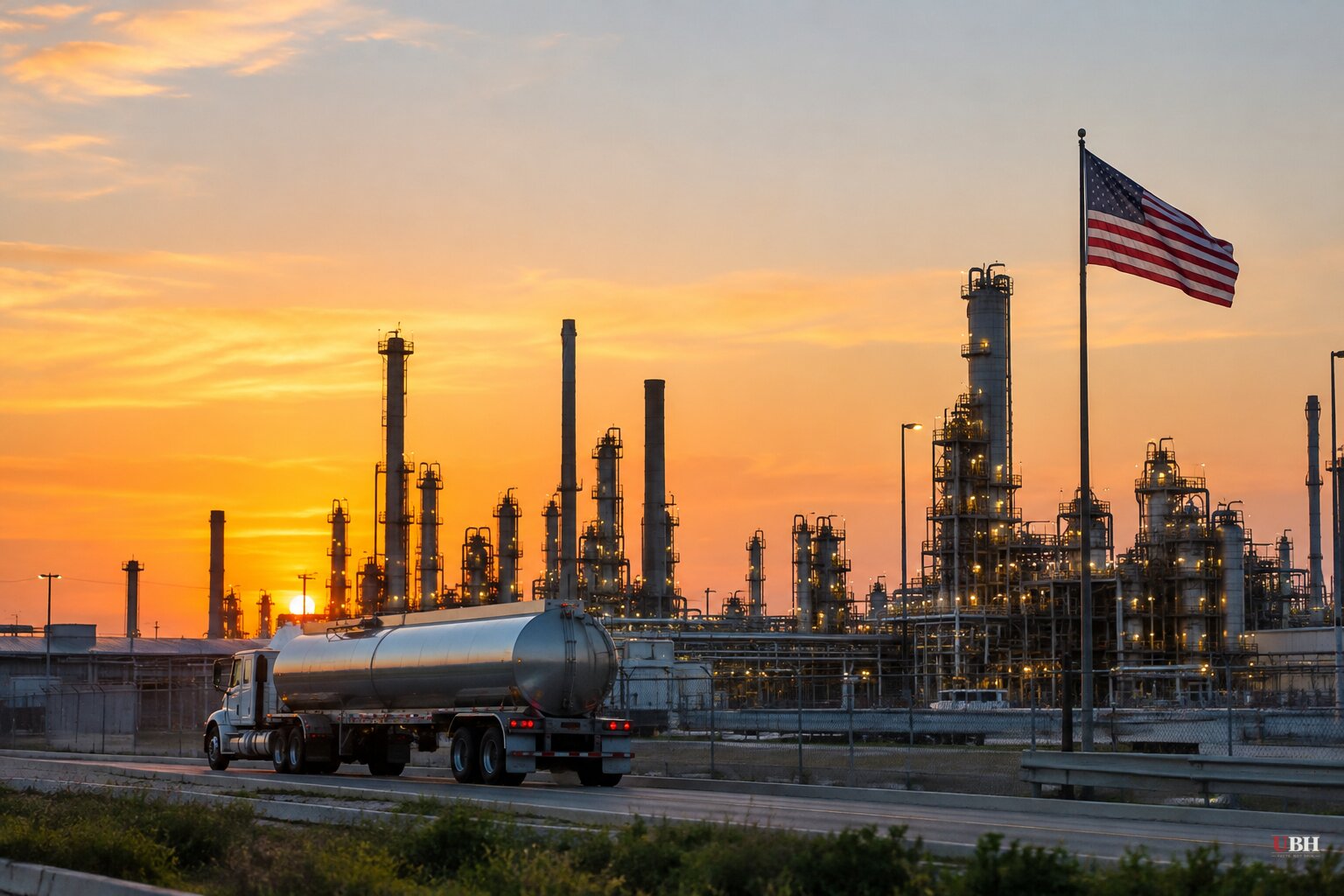
Since U.S. and Israeli strikes on Iran began Feb. 28 and Tehran restricted shipping through the Strait of Hormuz, American oil companies have collected a windfall. A New York Times analysis published Oct. 30 puts the figure at more than $130 billion for April through September.
The analysis covers more than 50 large U.S. oil and gas companies, mostly producers and refiners. The same companies earned less than $47 billion in the same stretch of 2025. The Times called its number conservative because it leaves out March and October.
Where the money came from
The mechanism is simple. Before the war, roughly 20 million barrels a day of oil and products moved through Hormuz, according to U.S. Energy Information Administration estimates. With that flow restricted, buyers went looking for other suppliers, and U.S. barrels got more valuable.
Refiners did best. The Times reported that fuel-making plants in the Middle East and Russia have been badly damaged, which tightened global capacity and widened margins for those still running. Valero posted $6.83 billion in third-quarter profit and Phillips 66 posted $5.62 billion, per S&P Global Market Intelligence data cited by the Times.
U.S. companies also avoid the war-risk costs of operating in conflict zones. Much of their oil moves by pipeline, which insulates them from soaring shipping rates.
The earnings reports
ExxonMobil reported third-quarter earnings of $15.4 billion, slightly more than double a year earlier. Chevron's adjusted earnings rose 186% to $10.4 billion. Analysts told CNN both companies could post record full-year profits.
Exxon and Chevron shares are each up 52% for the year through Oct. 29, according to CNN. Exxon announced its highest-ever quarterly dividend, and Shell's buyback was one of its largest ever, according to the companies' earnings calls.
Dan Pickering, founder of Pickering Energy Partners, said the majors are not rushing to drill. "This is a period where the high prices are driven more by geopolitical events than anything else," he said. "You put the money in the bank and watch to see what happens as we move into 2027."
What drivers paid
Gasoline averaged $4.12 a gallon in the third quarter, up 96 cents from a year earlier and the highest on record for that quarter, according to AAA. Moody's Analytics calculated that the average U.S. household has paid $1,184 more since the war began.
Brown University's Climate Solutions Lab estimates Americans have spent about $147 billion extra on gasoline and diesel since Feb. 28, more than $1,100 per household.
The two big numbers measure different things. The $130 billion is total corporate profit, not profit caused by the war. The $147 billion is extra consumer spending. They are not a dollar-for-dollar transfer.
The Times also noted that producer profits generally remain below 2022 levels. U.S. crude averaged about $90 a barrel from April through September, compared with roughly $100 in the same months of 2022, after Russia invaded Ukraine.
Politics and the president's remarks
At a campaign event in Georgia, President Donald Trump said, "We're making a freaking fortune," arguing that buyers "are coming to Texas and they're coming to Oklahoma and they're coming to Louisiana and they're taking that oil."
A White House official defended the remarks to CNN. "The President is pointing to the United States' position as the world's top producer and exporter of oil," the official said. "By unleashing American energy dominance, he has strengthened our national security and made our country wealthier."
Critics frame it differently. Writer Loren Rauch argues in a Medium essay that oil firms with ties to Trump are among the biggest winners. She cites a November Center for American Progress analysis that identified $65.7 million in Trump-related contributions from fossil-fuel interests among the cases it examined. She also cites a Washington Post account that Trump asked oil executives at Mar-a-Lago in April 2024 to raise $1 billion for his campaign. No charges or investigations tied to these claims have been announced, and the figures come from advocacy and opinion sources.
Trump is also an oil-stock shareholder, CNN reported, so he benefits when share prices rise.
The market since the election
Democrats flipped the House and Senate on Nov. 3. Vice President JD Vance blamed the Iran war for Republican losses, and Trump told reporters Vance's assessment was largely true because the war pushed up gasoline prices.
Brent crude futures settled at $94.62 on Nov. 4, down 8.7% in a day. They were up about 2.4% to $96.88 the next morning. The pre-war close on Feb. 27 was roughly $72.
ING commodity strategists Warren Patterson and Ewa Manthey said in a Nov. 5 note that the Democratic win raised hopes for a quicker end to the conflict. They also said the selloff looked overdone, and that the market was likely to keep giving back its risk premium absent escalation.
June Goh, senior oil analyst at Sparta Commodities, said more volatility is likely because global strategic reserves have been drawn thin and there is no clear diplomatic path.
Regular gasoline averaged $4.10 on Nov. 5, versus almost $3.08 a year earlier. GasBuddy's Patrick De Haan said the national average could fall to $3.65 in the weeks ahead and diesel to $5.50, based on the Nov. 4 close.
S&P Global data show October vessel traffic through the strait reached its highest monthly level since July. Crude tanker movements fell, and security incidents continued.
What comes next
The new Congress does not take office until January. House Minority Leader Hakeem Jeffries wrote colleagues on Nov. 4 that House Democrats must act in their first 100 days in the majority to stop the war.
The companies have signaled they plan to hold much of the cash rather than drill. Pickering's 2027 "wait and see" stance on spending will meet its first test when fourth-quarter results arrive early next year.
Sources used for this briefing
7 links from 7 independent newsrooms (syndicated copies of the same report count once)
These are the sources it draws on, linked so you can verify.


