
Unbiased headlines. Facts, not spin.
Every story is an unbiased news briefing written from 110+ sources across the spectrum — sources linked so you can verify it yourself.
 economy
Low Interest (4/10)
May 30, 2026 at 04:03 PM
economy
Low Interest (4/10)
May 30, 2026 at 04:03 PM
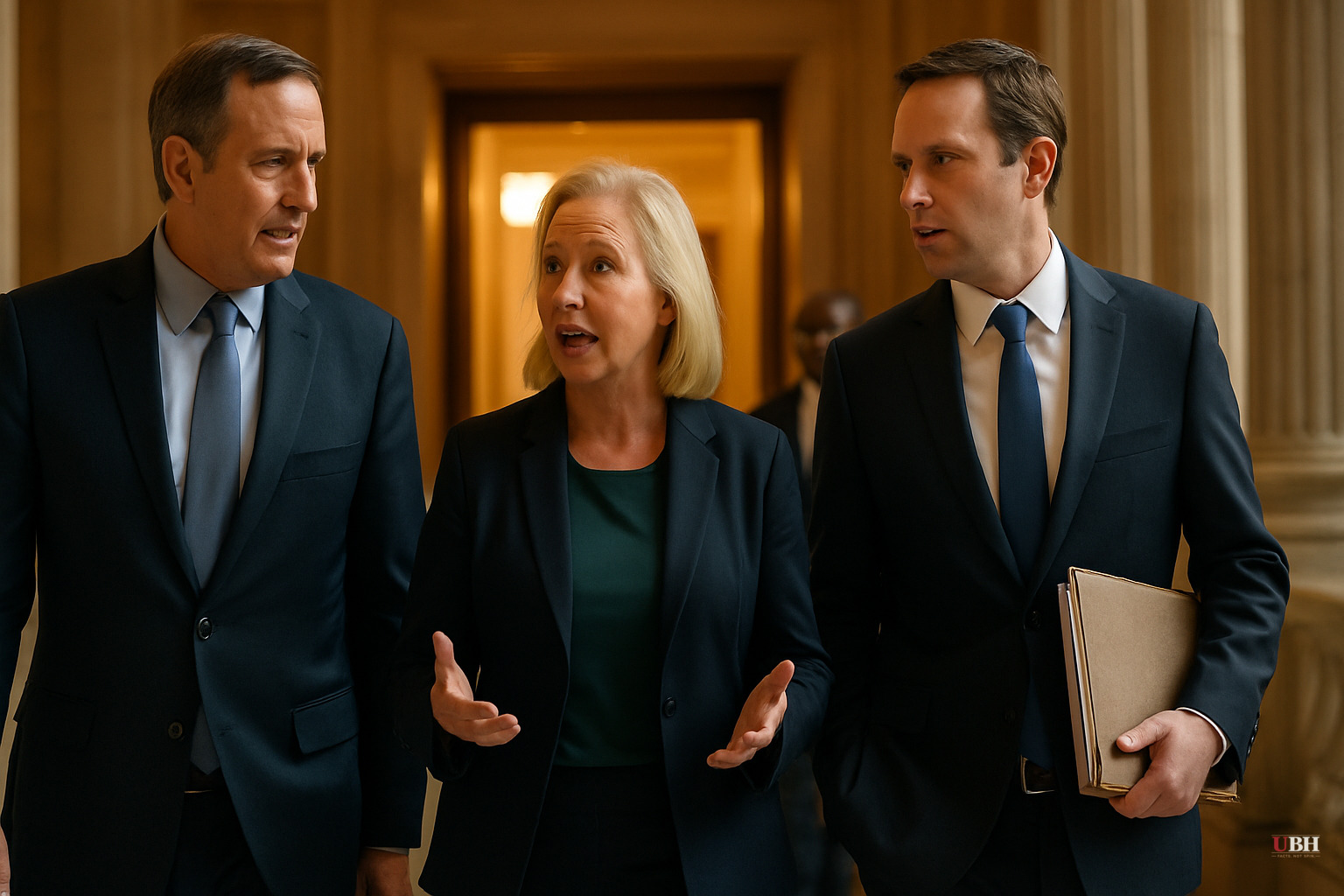
Democrats Reintroduce Bill Giving Social Security Credits to Unpaid Caregivers
What the Bill Actually Does
On April 27, 2026, U.S. Senators Chris Murphy (D-CT) and Kirsten Gillibrand (D-NY) reintroduced the Social Security Caregiver Credit Act. Rep. Brad Schneider (D-IL-10) introduced the companion House bill two days later.
The bill is straightforward in structure. If you spend at least 80 hours per month providing unpaid care to a dependent relative — a child under 12 or a chronically dependent adult — you would earn Social Security retirement credits for up to five years. No paycheck required.
This is a reintroduction. The bill has been kicked around Congress before and gone nowhere.
The Scale of the Problem
According to a joint report from AARP and the National Alliance for Caregiving cited by all three lawmakers, 63 million American adults — nearly one in four U.S. adults — currently provide unpaid care to someone with a medical condition or disability.
In New York alone, according to Senator Gillibrand's office, 4.1 million residents served as caregivers in 2025, logging more than 2.6 billion hours of hands-on care. Not hours billed. Hours worked, for free, for family.
Tens of millions of those caregivers either slash their work hours significantly or leave the workforce entirely at some point in their career. Every year out of the workforce is a year with no Social Security earnings record. Do that for five or ten years and you retire with a gutted benefit — or none at all.
This is the actual injustice: concrete and measurable.
What Mainstream Coverage Is Getting Wrong
Most coverage of this bill treats it as a Democratic talking point on women's issues. That framing is lazy and incomplete.
Yes, women disproportionately shoulder caregiving burdens — that's a documented fact, not a political claim. But this problem hits families across every demographic and every zip code. A son in rural Ohio who quits a factory job to care for his father with ALS faces the same retirement penalty as anyone else. This isn't a gender story. It's a family financial security story.
The Hill's framing leans toward progressive policy advocacy, treating the bill as an obvious fix without interrogating the cost or the mechanism. The lawmakers' own press releases — all three of them — are essentially identical PR documents with zero independent scrutiny. That is not journalism.
Nobody is asking the hard questions.
The Questions That Aren't Being Asked
First: What does this cost?
None of the sources — not Murphy's office, not Gillibrand's, not Schneider's, not The Hill — provide a Congressional Budget Office score or even a rough cost estimate. Social Security is already projected to face a funding shortfall by the early 2030s. Adding millions of new credited workers who contributed nothing to the trust fund requires significant accounting review. Lawmakers should be required to answer this before anyone calls it "commonsense."
Second: How do you verify 80 hours per month?
That's 20 hours per week. Who certifies it? A doctor? Self-reporting? The enforcement mechanism matters enormously. Fraud risk is real. The bill's sponsors have not publicly addressed this in any of the available materials.
Third: Is Social Security the right vehicle?
Social Security is an insurance program funded by payroll taxes. Crediting people who never paid into the system changes its fundamental character — gradually, but structurally. There are other policy tools: caregiver tax credits, expanded IRA contribution rules for non-earners, direct government stipends. The sponsors haven't explained why Social Security is the correct mechanism versus alternatives.
What Is Actually Right About This Bill
The underlying problem is real and it deserves a real solution.
A person who leaves the workforce to care for a dying parent, a child with severe disabilities, or a spouse with a neurological disease is doing labor that would otherwise cost society significantly more. Nursing home care averages over $90,000 per year nationally. In-home health aides aren't cheap either. Families absorb that cost personally — and then get punished at retirement for the workforce gap it created.
The fact that Democrats are the ones pushing this bill does not make the underlying problem illegitimate. Republicans have generally not offered a competing solution.
Where This Goes
This bill has been reintroduced before and stalled. With Republicans controlling the House and the current political environment, passage in its current form appears unlikely.
But the issue will not go away. America is aging. The 65-and-over population is projected to nearly double by 2060 according to the U.S. Census Bureau. The demand for family caregiving is going up, not down.
Sixty-three million Americans are already doing this work. Millions of them are watching their retirement prospects erode in real time. Congress owes them more than a press release — from either party.
Figure out what this costs. Figure out how to verify it. Then pass something that actually works.
Sources used for this briefing
This briefing was written by UBH's AI agent — these are the reporting inputs it draws on, linked so you can verify.


