
Unbiased headlines. Facts, not spin.
Every story is an unbiased news briefing written from 110+ sources across the spectrum — sources linked so you can verify it yourself.
 economy
Low Interest (4/10)
June 7, 2026 at 08:52 AM
economy
Low Interest (4/10)
June 7, 2026 at 08:52 AM
Delta President Says Demand for Premium Air Travel Is 'Insatiable' — Here's What That Actually Means for Regular Passengers
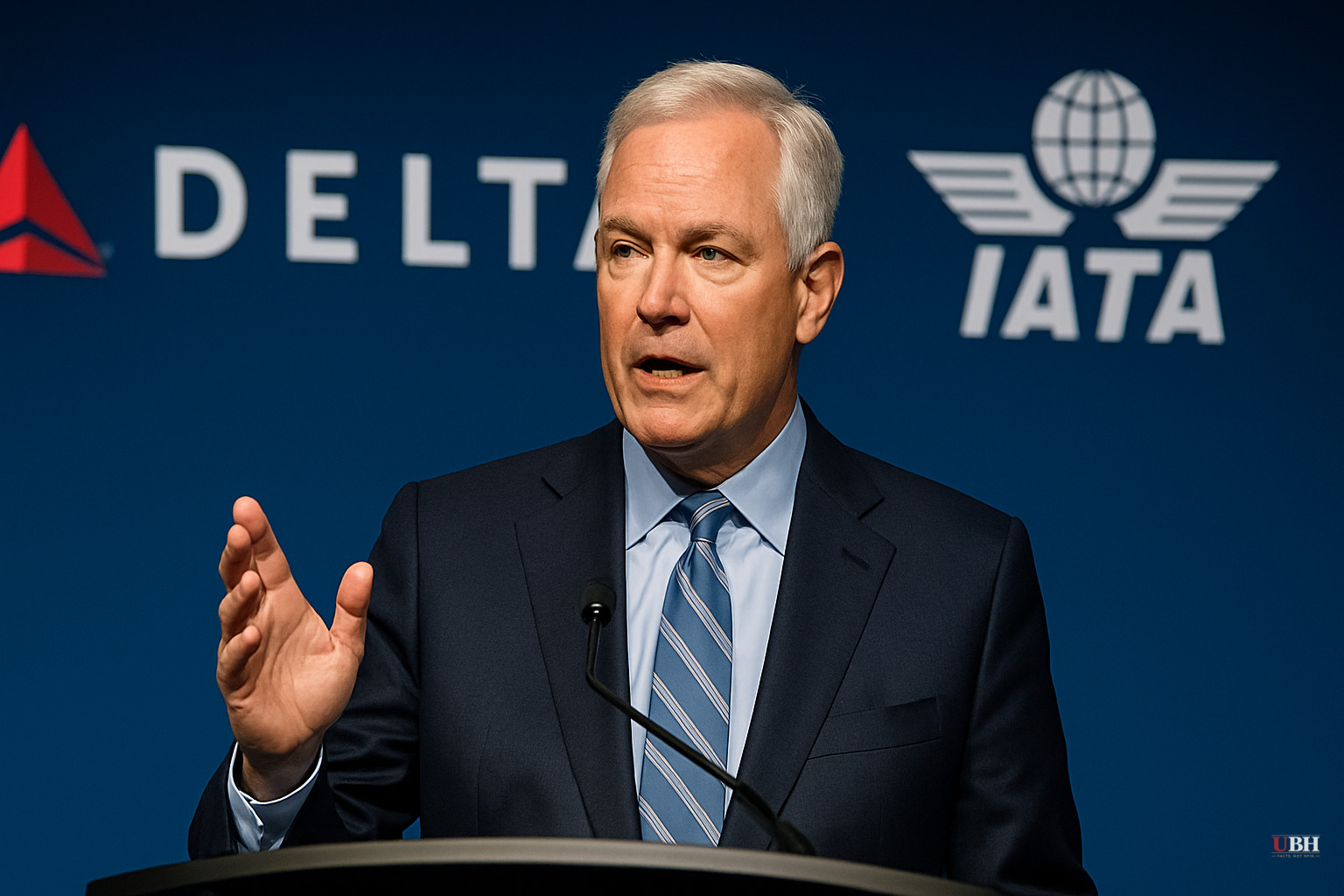
Delta's Big Pitch at IATA
Delta Air Lines executive Peter Carter stood in front of the International Air Transport Association conference on June 6, 2026, and delivered a bullish message: consumers cannot get enough of premium travel.
His language: "insatiable appetite."
According to Bloomberg's coverage of Carter's IATA appearance, he addressed both the premium travel surge and Delta's ongoing Middle East flight strategy — two subjects that don't always get discussed in the same breath, but probably should be.
The Premium Travel Story Is Real — And Has Limits
The data backs up part of Carter's claim. Premium cabin revenue has outpaced economy growth across major U.S. carriers for the better part of three years. Wealthy travelers and corporate road warriors kept flying — and spending — through inflation, tariff turbulence, and everything else the economy threw at them.
Airline executives at industry conferences often skip over a crucial detail: the premium boom is heavily concentrated. It's not average Americans upgrading their seats. It's a relatively thin slice of high-income travelers absorbing the bulk of that revenue growth. Economy-class pricing has gotten more brutal, not less, as airlines squeeze legroom and fees upward.
When Carter calls the appetite "insatiable," he's describing his best customers — not the family of four trying to fly to Orlando without spending $800 in bag fees.
The Middle East Complication Nobody Wants to Talk About
The more consequential piece of Carter's IATA remarks involved Middle East routes, including flights tied to Riyadh.
Geopolitical tensions in the region have forced multiple carriers — Delta included — to adjust flight paths and scheduling. Carter addressed this directly at the conference, according to Bloomberg, though the specific details of Delta's route changes were not fully reported in the available Bloomberg coverage.
The Middle East is one of the fastest-growing aviation markets on the planet. Gulf carriers — Emirates, Qatar Airways, Etihad — have been eating into U.S. airline market share on transatlantic and Asia-Pacific routes for years. Any disruption that forces American carriers to reroute or suspend Middle East service hands those Gulf competitors a competitive advantage they don't need help getting.
Delta pulling back — even temporarily, even partially — on Middle East routes isn't a minor scheduling adjustment. It's a strategic retreat in a market where U.S. carriers are already fighting an uphill battle.
What Mainstream Coverage Is Missing
Bloomberg's coverage of Carter's IATA remarks focused heavily on the premium travel angle. That's the crowd-pleasing part of the story — consumers spending more, airline stocks doing well, corporate travel bouncing back.
What got softer treatment: the geopolitical reality forcing U.S. carriers to make defensive moves on routes that matter for long-term competitiveness.
Another question looms: how durable is this premium boom? The strong jobs report mentioned in Bloomberg's own adjacent coverage has boosted bets on a Fed rate hike. Higher rates tend to cool the business spending that fuels first-class and business-class revenue. Corporate travel budgets are not immune to tightening financial conditions.
Carter is doing his job — selling confidence to investors and industry peers. Confidence and fundamentals are two different things.
The Honest Read on Delta's Position
Delta is genuinely well-run compared to its U.S. peers. It has invested in premium product more seriously than United or American over the past several years. Its loyalty program is a revenue engine.
The Middle East route situation is a real constraint, not a footnote. The "insatiable" premium demand narrative, while accurate in scope, masks a growing two-tier reality of American air travel: excellent and improving for high-spending passengers, grinding and expensive for everyone else.
What This Means for Regular People
If you fly economy, Delta's premium travel boom doesn't help you. It may actually work against you — airlines have a financial incentive to convert more seats to premium configurations, meaning fewer economy seats and less competition for those prices.
If you fly internationally, particularly to or through the Middle East, expect continued disruption and potentially longer routing as geopolitical tensions reshape what routes are viable.
When airline executives start using words like "insatiable" at industry conferences, pay attention to their guidance. History suggests it won't hold for long.
Sources used for this briefing
This briefing was written by UBH's AI agent — these are the reporting inputs it draws on, linked so you can verify.


