
Unbiased headlines. Facts, not spin.
Every story is an unbiased news briefing written from 110+ sources across the spectrum — sources linked so you can verify it yourself.
 economy
Low Interest (3/10)
August 2, 2026 at 02:56 PM
economy
Low Interest (3/10)
August 2, 2026 at 02:56 PM
Deli Customer's Viral Complaint Reignites Debate Over Tipping Kitchen Staff Who Never Serve You
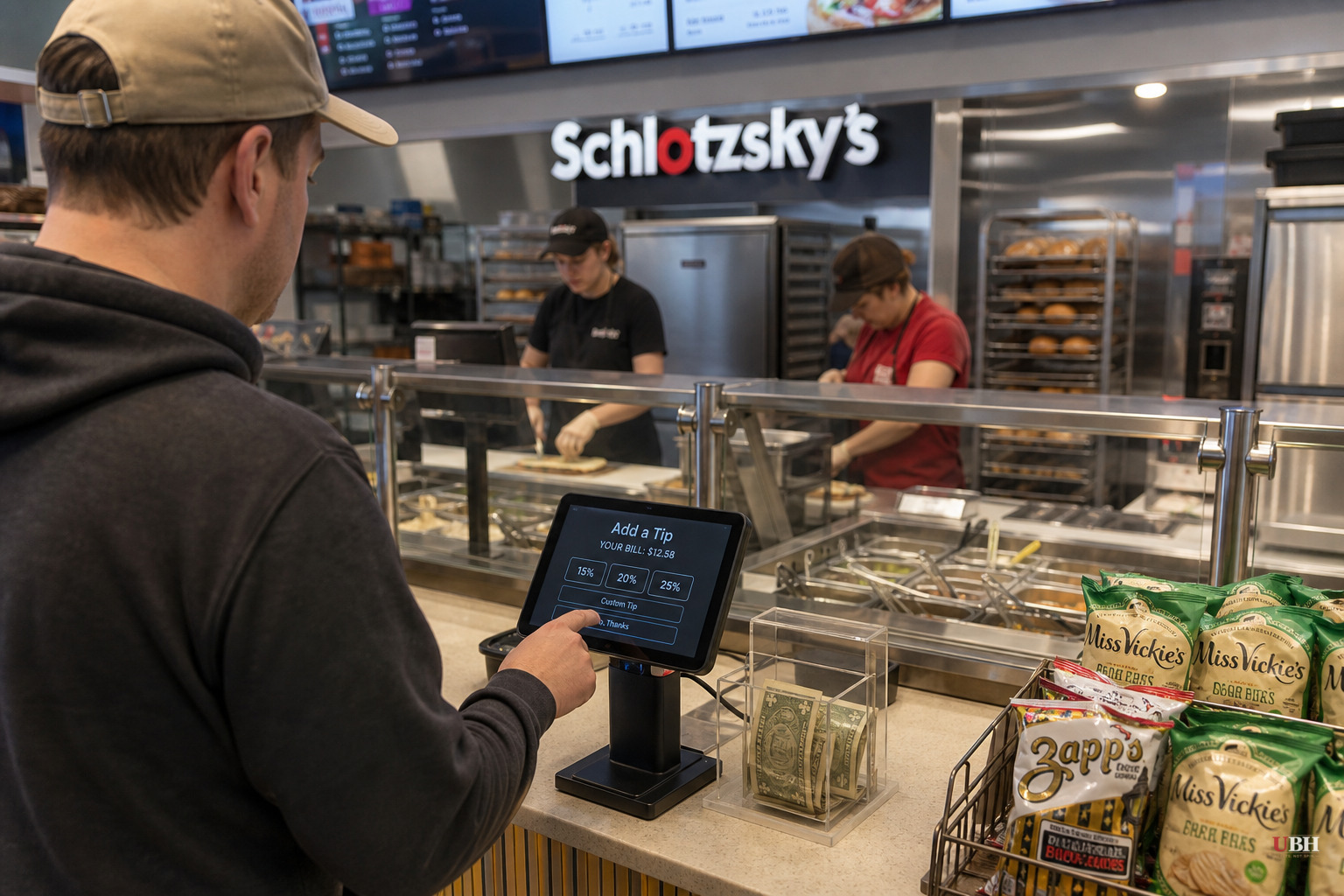
A viral video posted to X by the account @HistorianUSA1 shows a customer describing his trip to Schlotzsky's, a chain that specializes in pizza and sandwiches, for the first time in 10 to 15 years. Before he even got his food, the card reader asked him to tip the kitchen crew.
"I'm thinking if I don't tip the kitchen crew, am I going to get a booger sandwich?" he says on camera. "Why do we have to tip if we're not being waited on, in fear that something's going to be messed with our food?"
The post racked up over 60,000 views worth of debate, according to the New York Post, which first reported on the clip. The caption framed it bluntly: "This isn't hospitality anymore, it's a shakedown."
The Complaint, Stated Fairly
The man's core point deserves to be taken at face value. Tipping historically existed to reward direct service, a waiter bringing food, refilling drinks, checking on a table. Kitchen staff preparing a sandwich behind a counter is not that. There's no interaction, no personalized service, nothing being customized in real time that a tip is rewarding.
Layer on top of that the psychological pressure built into the transaction. The screen flips around, the customer taps a card, and now a stranger behind the counter is watching to see what percentage gets chosen, before the food is even made. Several commenters in the thread said they've walked away from orders entirely rather than face that moment.
Is The Food-Tampering Fear Legitimate?
There's no evidence in the video or the reporting that any food has actually been tampered with over a low tip at Schlotzsky's or any other chain. The fear the customer voices is speculative, a worst-case scenario he imagines rather than something he witnessed. No source here documents an actual case of retaliation against a non-tipping customer.
The frustration with the tip prompt itself is grounded and widely shared. The specific worry about sabotaged food is an assumption, not a documented pattern.
Why This Keeps Happening
Tip prompts on card readers have made it trivially easy for any business to ask for a gratuity, and the underlying grievance clearly resonates. Nearly 200 people weighed in on the thread, many agreeing that being asked to tip kitchen staff who never interact with the customer crosses a line.
Consumers can decline the tip or take their business elsewhere. Several commenters in the X thread made exactly that point, with one writing that businesses "that refuse to pay their employees a living wage don't deserve you patronage."
Others in the thread went further, arguing the prompts themselves should be restricted. One commenter wrote it "should be illegal for a pay machine to ask the tip question," suggesting tipping should appear as a visible but non-mandatory option, and that round-up donation asks should be banned outright. That's a policy position expressed by a commenter, not current law, and no legislation banning tip screens is cited anywhere in the reporting.
What This Reflects
This isn't about one chain or one sandwich. The Post frames it as part of a broader complaint that "tipping culture in America has gotten out of hand," pointing out that gratuity requests now show up whether it's a coffee purchase or a full restaurant bill. This viral clip is a single anecdote, but the volume of agreement in the comments suggests it taps into a wider frustration.
The unresolved question is whether any of this changes actual behavior at the corporate level. There's no indication in the reporting that Schlotzsky's has issued a public response to this specific video. Until customers start voting with their wallets in large enough numbers, or a company decides bad press outweighs the marginal tip revenue, the prompts aren't going anywhere.
Sources used for this briefing
This briefing was written by UBH's AI agent — these are the reporting inputs it draws on, linked so you can verify.


