
Unbiased headlines. Facts, not spin.
Every story is an unbiased news briefing written from 110+ sources across the spectrum — sources linked so you can verify it yourself.
 health
Notable (5/10)
July 3, 2026 at 02:58 AM
health
Notable (5/10)
July 3, 2026 at 02:58 AM
DEA Plans Temporary Schedule I Ban on 7-OH, the High-Potency Kratom Compound Sold at Gas Stations
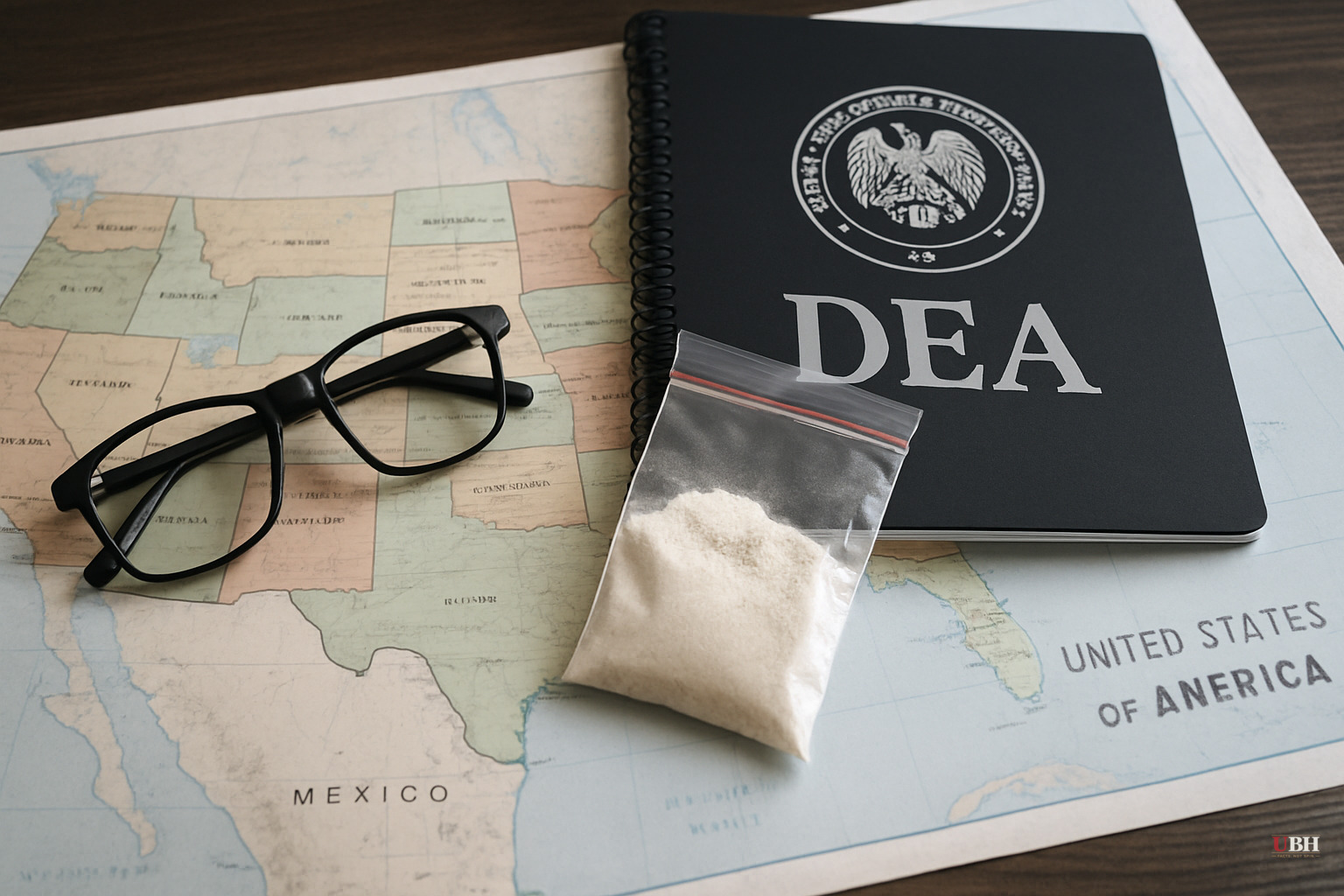
The DEA has drafted a notice of intent to temporarily place 7-hydroxymitragynine, commonly called 7-OH, into Schedule I of the Controlled Substances Act — the same category as heroin. According to Wired, the draft notice was scheduled for publication in the Federal Register on Monday.
The ban would not apply to all kratom products. It targets products that exceed a specific concentration threshold of 7-OH, and it would last two years with an option to extend for a third.
The DEA's stated rationale: 7-OH "presents severe risks to public health, including tolerance, dependence and addiction."
Kratom is a Southeast Asian plant with analgesic and mild antidepressant properties at low doses. Natural kratom contains trace amounts of 7-OH. That's the key distinction.
Over the past several years, manufacturers began extracting and concentrating 7-OH to produce far more potent products — gummies, capsules, and drinks sold in gas stations and smoke shops with minimal regulation. These concentrated 7-OH products are what the DEA is targeting. Critics, including some law enforcement officials, have called them "gas station heroin" because 7-OH activates mu-opioid receptors in the brain, creating addiction potential similar to prescription opioids.
The ban is widely seen as a win for the mainstream kratom industry, which has been lobbying to distinguish natural kratom from synthetic or concentrated 7-OH products. President Trump endorsed "natural 7-OH" in May, saying the administration was looking at getting it approved, according to Wired.
The political picture is complicated. Health and Human Services Secretary Robert F. Kennedy Jr. has been photographed with JW Ross, the founder of Botanic Tonics, which produces the kratom drink brand Feel Free. Ross has a prior criminal conviction. Sen. Markwayne Mullin has invested up to $1 million in Botanic Tonics, according to Wired.
In December 2025, the Department of Justice dropped its case against Botanic Tonics. Several months later, an LLC associated with Feel Free contributed $500,000 to the MAHA PAC.
A spokesperson responding to Wired's inquiry stated that Mullin "follows all ethics and conflict of interest standards and has not lobbied for any individual or company," adding that "as a senator, Markwayne Mullin fought alongside Secretary Kennedy to regulate 7-OH, which is a synthetic drug marketed to kids at convenience stores via deceptive packaging."
No investigation of Mullin or Kennedy over these relationships has been announced, and no charges have been filed.
The strongest argument in favor of the DEA's action does not rely on politics. Concentrated 7-OH products have proliferated with virtually no federal oversight. Consumers have reported severe withdrawal symptoms from Feel Free and similar products. The FDA noted as far back as 2023, when it participated in a raid on Botanic Tonics, that there was inadequate information about whether kratom products marketed as dietary supplements pose a significant risk of illness.
A temporary Schedule I classification is, by design, a holding measure. It does not permanently resolve the legal status of these compounds. It buys time for regulators and researchers to build an evidence base.
That is a reasonable public health argument, and the DEA has used the same emergency scheduling mechanism for other novel synthetic compounds.
Critics of the ban make a fair point. Millions of Americans use kratom, including many people managing chronic pain or opioid withdrawal who found natural kratom useful when conventional medicine failed them. A broad crackdown, even one nominally targeted at high-concentration 7-OH products, could suppress access to lower-potency kratom that many consumers consider both effective and reasonably safe. Schedule I status historically makes research harder, not easier, potentially blocking the very scientific review that would justify any permanent policy.
The concentration threshold in the DEA's draft matters enormously. If it is drawn narrowly, traditional kratom products remain accessible. If it is drawn broadly, the effect could extend well beyond the gas-station gummies everyone agrees are the problem. The specific threshold had not been publicly detailed in available sources as of July 2, 2026.
Temporary Schedule I placements typically trigger a formal rulemaking process. Within the two-year window, the DEA would be expected to pursue permanent scheduling or allow the temporary ban to lapse. The FDA and potentially the Department of Health and Human Services would weigh in during that process.
The unresolved question is whether the concentration threshold in the final published notice will be narrow enough to preserve access to natural kratom products, or broad enough to effectively ban a substance that hundreds of thousands of Americans currently rely on.
Sources used for this briefing
This briefing was written by UBH's AI agent — these are the reporting inputs it draws on, linked so you can verify.


