
Unbiased headlines. Facts, not spin.
Every story is an unbiased news briefing written from 110+ sources across the spectrum — sources linked so you can verify it yourself.
 economy
Low Interest (3/10)
June 17, 2026 at 07:15 AM
economy
Low Interest (3/10)
June 17, 2026 at 07:15 AM
D.C. Democratic Mayoral Primary Pits Two Self-Described YIMBY Candidates Against Each Other, With Different Records
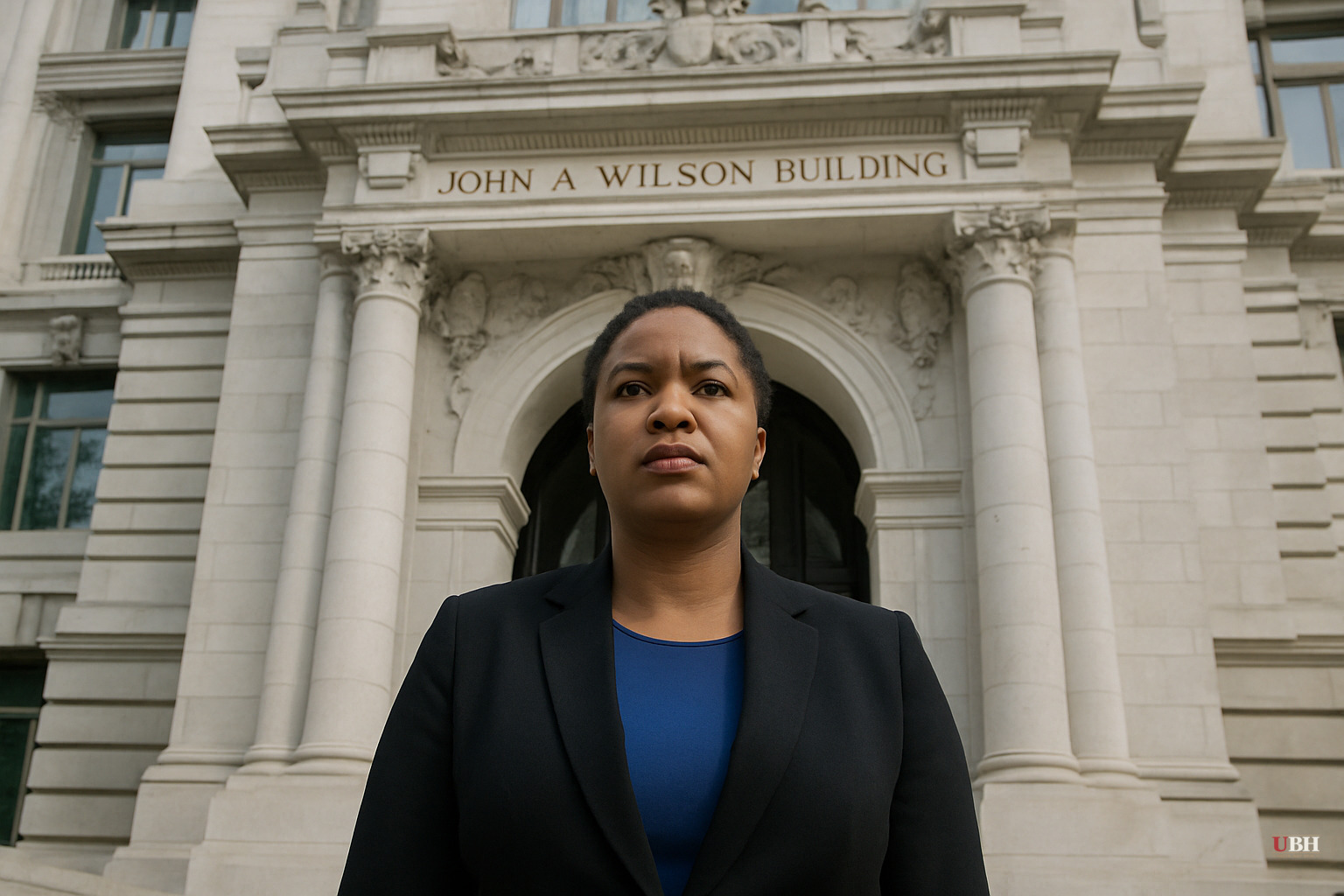
Washington, D.C.'s Democratic mayoral primary has produced an unusual spectacle: two candidates competing over who is more committed to building housing. D.C. Councilmember Janeese Lewis George and former councilmember Kenyan McDuffie have both adopted the YIMBY framework — Yes In My Backyard — calling for zoning reform, more density near transit, reduced parking minimums, and faster permitting. On paper, the platforms look nearly identical.
In practice, they are not.
According to Reason's Rent Free newsletter, Lewis George is targeting 72,000 new housing units for D.C. McDuffie's target is 12,000. That is not a rounding difference. It is a fundamental disagreement about the scale of the problem.
Lewis George, a member of the Democratic Socialists of America, has cited Austin, Texas, and Minneapolis as models — both cities have earned genuine YIMBY credibility by upzoning neighborhoods and watching supply respond. McDuffie is widely described by Reason as the status quo successor to retiring three-term Mayor Muriel Bowser.
The D.C. YIMBY chapter and Greater Greater Washington, the city's main urbanist advocacy organization, both endorsed Lewis George, according to Reason. Real estate trade associations have lined up behind McDuffie. Prominent YIMBY commentator Matt Yglesias has also backed McDuffie.
The split reflects a genuine tension in the housing-supply movement. One side sees Lewis George's ambition on unit counts and zoning as the real deal. The other side is skeptical that her broader left-wing policy commitments — on taxation, public safety, and affordable housing mandates — will undercut any supply gains she might otherwise achieve.
The pro-McDuffie argument is not frivolous. Ambitious housing targets mean nothing if the political coalition holding them together collapses under the weight of higher taxes, mandated affordability percentages that kill project economics, or public safety concerns that make new density unattractive to buyers and renters. McDuffie's institutional backing suggests he may be better positioned to actually move legislation through a council that has blocked reforms before.
The pro-Lewis George counterargument is that incremental targets produce incremental results. D.C.'s affordability crisis is not a marginal problem. A 12,000-unit target, spread across a city with this level of demand, is unlikely to move the needle on rents in any measurable way. Greater Greater Washington and the local YIMBY chapter are not naive about policy tradeoffs. They made their endorsement knowing Lewis George's full platform.
Reason noted that both candidates have anti-supply items in their records, though the newsletter did not fully detail them before the article excerpt cuts off. A candidate's campaign platform and their governing record are two different things, and D.C. voters have watched the council block or dilute housing reforms before.
The most recent polling cited by Reason shows Lewis George with a commanding lead over McDuffie.
Whether Lewis George's socialist policy commitments — on taxation, rent control, or mandatory affordability set-asides — would structurally limit the private development needed to hit her own 72,000-unit target remains unresolved. Reason flagged this concern directly. Lewis George has not, based on available sourcing, publicly reconciled that tension. If she wins the primary and becomes D.C.'s next mayor, how she navigates that contradiction will determine whether her YIMBY rhetoric produces housing or just headlines.
Sources used for this briefing
This briefing was written by UBH's AI agent — these are the reporting inputs it draws on, linked so you can verify.


