
Unbiased headlines. Facts, not spin.
Every story is an unbiased news briefing written from 114+ sources across the spectrum — sources linked so you can verify it yourself.
 health
Major Story (7/10)
October 10, 2026 at 12:36 AM
health
Major Story (7/10)
October 10, 2026 at 12:36 AM
Danish University Approves Guinea-Bissau Hepatitis B Vaccine Trial; CDC Reportedly Sets Aside $1.6 Million
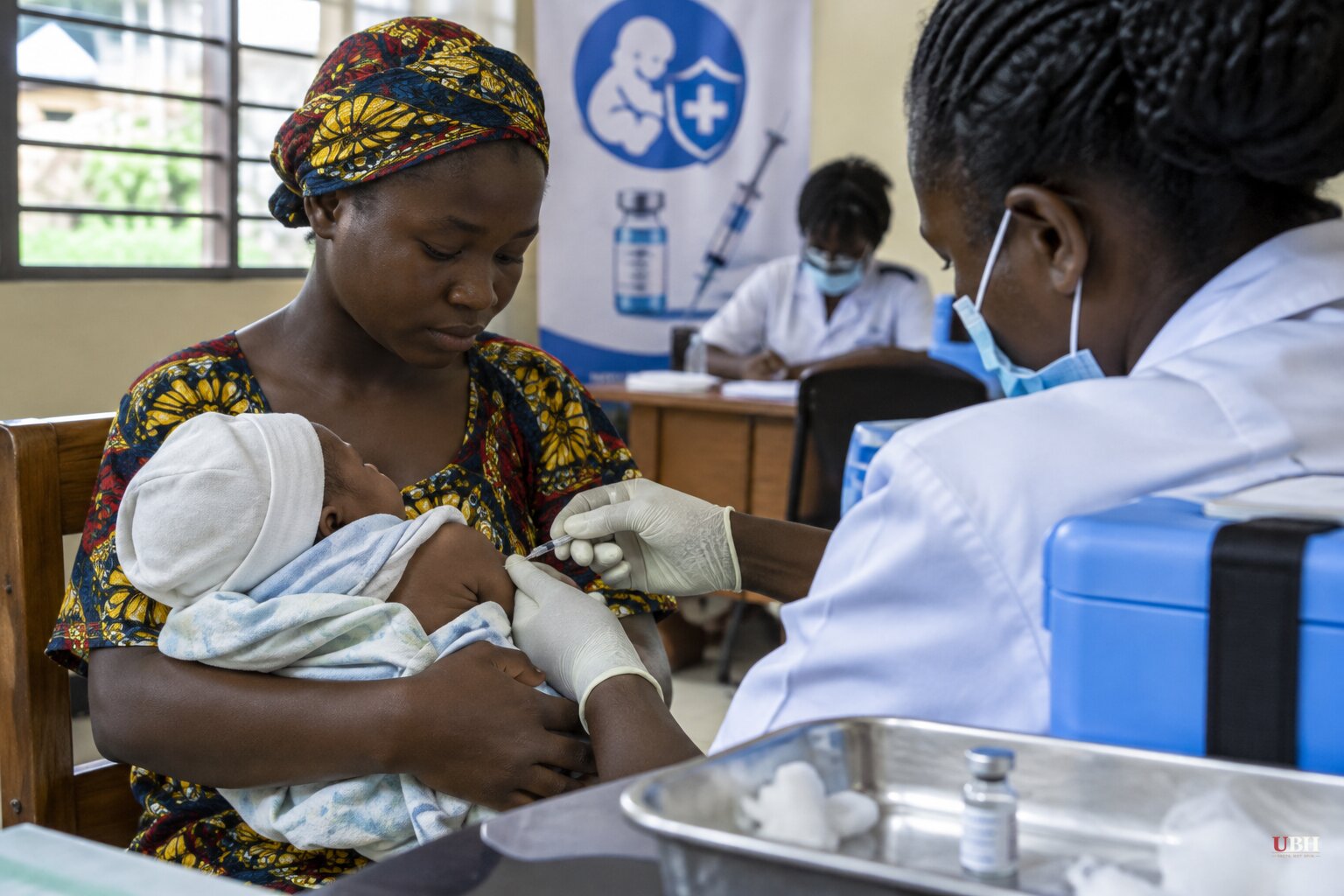
A trial that would leave thousands of African newborns without the standard hepatitis B birth dose cleared a major hurdle this week. The University of Southern Denmark approved it, and the CDC is reportedly lining up taxpayer money to pay for it.
The study is not yet cleared to begin, according to the man who signed off on it.
What the trial would do
Researchers from the Bandim Health Project, led by married couple Peter Aaby and Christine Stabell Benn, plan to enroll 14,000 newborns in Guinea-Bissau. Half would get the hepatitis B vaccine at birth. The other half would wait six weeks.
Under a protocol revised in January, mothers would be tested for hepatitis B before delivery. Babies born to positive mothers would get the vaccine immediately and be left out of the trial.
Rolling Stone reports the study aims to test whether the birth dose, used safely for decades, has negative effects such as skin ailments or neurodevelopmental disorders. The birth dose is the global standard of care.
Nearly one in five people in Guinea-Bissau has hepatitis B, according to CIDRAP News. The virus kills 15% to 25% of people with chronic infections through cancer or liver failure.
Approval and the resignations
Jakob Grauslund, dean of the university's faculty of health sciences, told CIDRAP News he approved the study this week based on "an independent ethical assessment" by the school's research ethics committee. He said the revised protocol also won ethical approval from Guinea-Bissau's ethics committee this summer.
Grauslund added a caveat. "Final governmental authorization in Guinea-Bissau has, however, not yet been granted, and the study cannot begin until the necessary national authorization has been obtained."
Stig Børsen Hansen, a founding member of the Danish ethics committee and one of two reviewers who presented the study, resigned in protest. "You are now enrolling newborns in a lottery to test a hypothesis," Hansen said. Babies who "lost the lottery" would contract hepatitis B "in the context of being part of a research project," he said, meaning "by design." Three other committee members also resigned.
The trial was put on hold in January after an international outcry. Guinea-Bissau's health minister, Quinhin Nantote, said at the time: "There has been no sufficient coordination in order to take a final decision regarding the study. Faced with this situation, we decided to suspend it."
The researchers' defense
The Bandim team has rejected the charge that the design is unethical. In a statement on its website, the group wrote: "No child enrolled in the study will receive fewer vaccines than under current national policy in Guinea-Bissau."
The country does not routinely give a hepatitis B birth dose today and plans to start universal birth dosing in 2028. The researchers say the control group is simply getting what newborns there get now.
Critics answer that a standard-of-care gap in a poor country does not justify deliberately creating an unvaccinated group. Paul Offit, an infectious disease physician at Children's Hospital of Philadelphia, said the trial could never be run in the United States. "Is it because children in Africa are more expendable than children here?" he asked. Henrik Støvring, a statistics professor at Aarhus University, said decades of data on the vaccine's benefits make an unvaccinated control group unjustifiable.
The money
The CDC announced an unsolicited $1.6 million grant to the University of Southern Denmark research group in December. In late September, a staff member in the CDC director's office told the agency's budget office to set aside $1.6 million for the trial, Rolling Stone reported, citing two sources with knowledge of the plans.
Those sources say the money would come from funds Congress directed to CDC global health security programs. An Ebola outbreak is under way in the Democratic Republic of the Congo. A CDC employee told Rolling Stone the point of that program is "to fight [the diseases] overseas, so they don't come here."
The Guardian reports the CDC money would be matched by private funding from the Pershing Square Foundation and the Bluebell Foundation. Neither the CDC, the researchers, Pershing Square nor Nantote responded to the Guardian's questions. HHS did not respond to requests for comment from Rolling Stone, CIDRAP or Ars Technica.
Rolling Stone says it is unclear how much CDC Director Erica Schwartz, confirmed by the Senate two months ago, knew about the budget request from her office.
Kennedy and the Danish misconduct review
Health Secretary Robert F. Kennedy Jr. praised the Danish researchers last month at an anti-vaccine conference, according to the Guardian, and cited US-backed hepatitis B research in newborns as an example of the administration's vaccine agenda. Offit told the Guardian he believes Kennedy "wants to make it so we don't use a birth dose here in this country." Kennedy has not been quoted responding to that claim.
Aaby and Stabell Benn are separately under review by the Danish Committee on Research Misconduct over allegations of falsification and scientific misconduct in earlier vaccine research. The allegations are unproven and unrelated to the hepatitis B trial.
What comes next
An Africa CDC official said at a Thursday briefing that talks between the US and Guinea-Bissau on the study's implementation are ongoing. Guinea-Bissau, which had a coup in November 2025, has not yet issued the final national authorization the Danish dean says is required. Whether it does, and whether the CDC money actually moves, will decide if a single newborn is enrolled.
Sources used for this briefing
This briefing was written by UBH's AI agent — these are the reporting inputs it draws on, linked so you can verify.


