
Unbiased headlines. Facts, not spin.
Unbiased Headlines is an independently owned news organization. We bring you the facts, not opinions, written fresh from 110+ named sources. Sources linked so you can verify it yourself.
 health
Notable (5/10)
Dallas judge orders brain-dead Buffalo woman kept on ventilator as transplant group sues Baylor over family's objection
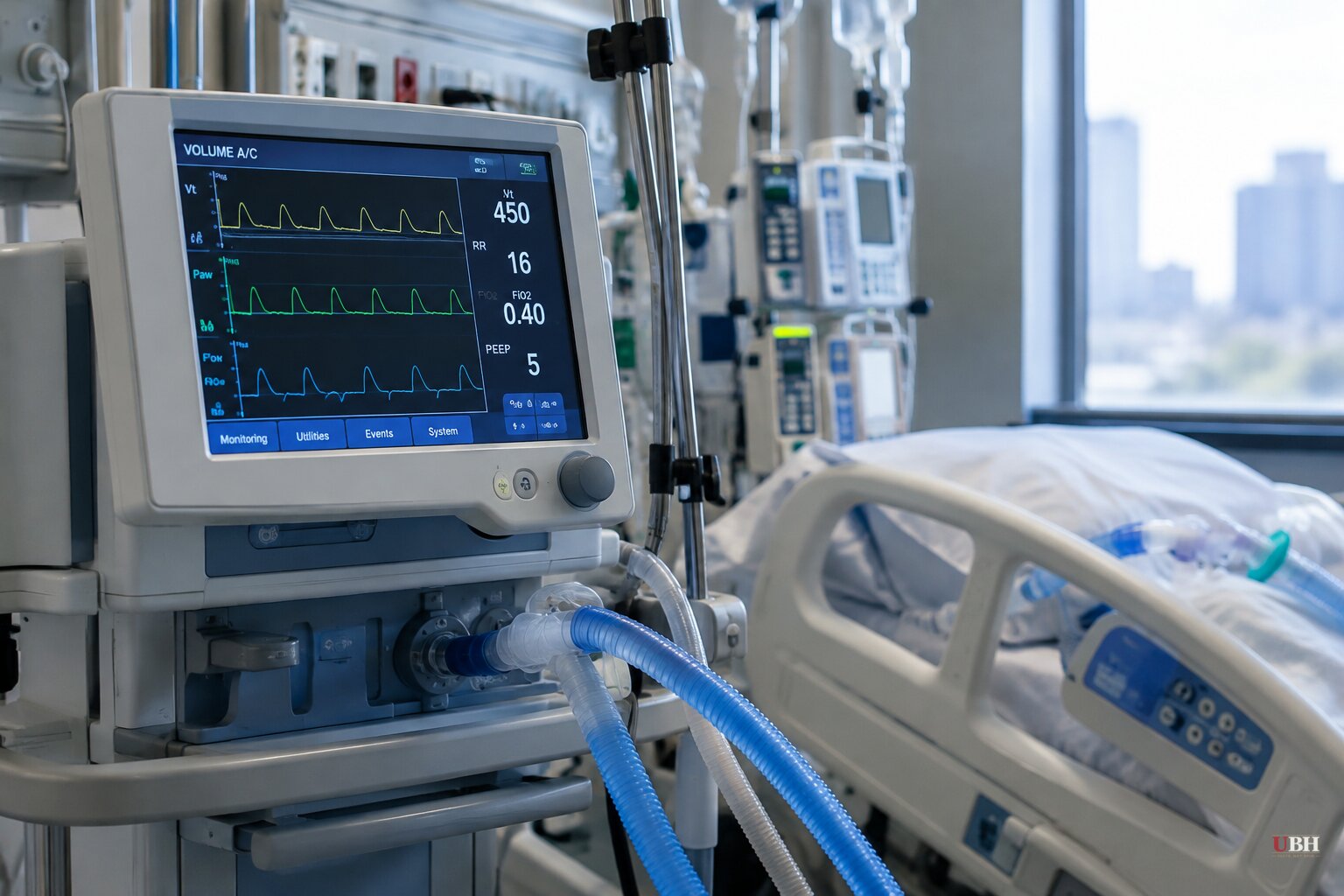
A Dallas County judge has ordered a hospital to keep a brain-dead woman on a ventilator while a court decides whether her organs can be taken over her family's objection.
Emanise Timothee, 38, of Buffalo, New York, was declared dead by neurological criteria at 2:10 p.m. on Nov. 17 at Baylor University Medical Center in Dallas, according to the lawsuit. Her family told hospital staff they opposed donation.
How it reached court
Timothee enrolled in the New York State Donate Life Registry in 2016. Gift of Life Alliance, the North Texas organ procurement organization formerly known as Southwest Transplant Alliance, says that enrollment was a legally binding gift.
Baylor told the Alliance it would not allow recovery of her organs without a court order. That was the hospital's response to the family's refusal.
The Alliance filed an emergency application for a temporary restraining order and a temporary injunction in Dallas County Court on Thursday, Nov. 19. Judge Staci Williams granted the restraining order the next day, Friday, Nov. 20.
The order keeps Timothee on the ventilator. It also directs Baylor to "facilitate the recovery of the donor's gifted parts," including by giving the Alliance's clinicians and recovery teams "access to the donor, her medical records and the hospital's operating rooms, staff and equipment as reasonably needed."
A hearing is to be scheduled in December. As of Monday, Nov. 23, the Alliance had not said whether or when any donation process had begun.
What the Alliance argues
The lawsuit rests on the Texas Revised Uniform Anatomical Gift Act. According to the filing, the law bars anyone other than the donor from "making, amending, or revoking" a gift unless the gift says otherwise.
"The family's consent is not required, and its objection has no legal affect," the suit states. It adds that each hour of delay "threatens the medical sustainability of organs that could save the lives of multiple patients waiting for transplant."
Timothee's registration covered her heart, liver, lungs, kidneys, intestines, pancreas, skin, blood vessels, bone and connective tissue, corneas and eyes, for transplant and research, the suit says.
In a statement, the Alliance said it sought the order "to uphold the legally binding wishes of a deceased individual who, while living, made the selfless decision to register as an organ donor." It added: "That decision deserves to be honored and respected."
The suit also says Texas law requires hospitals to assist with donation even when relatives object. The filing contends a New York registration carries that force in Texas. Judge Williams has not ruled on that question. The order is a temporary one.
The family's side
The family has not publicly explained its objection. Baylor and the Alliance were contacted for comment, and the family could not be reached as of Friday night, Nov. 20.
What is documented is the family's refusal and the hospital's decision to honor it until a judge said otherwise. Baylor has not said publicly why it demanded a court order rather than proceed on the registry alone.
A commentary on LifeNews argued that even if the law is clear, enforcing it over a family's wishes may be unwise. The writer said coercion in medicine breeds public distrust, and that greater skepticism means fewer donated organs. He noted that brain death remains controversial and said he did not know why the family objected.
The timing problem
Dr. Merrill Matthews, a medical ethicist at UT Southwestern, told CBS News that the hearing date matters most to the transplant agency. "The longer they wait, the more the organs deteriorate," he said, and he expects pressure on a judge to rule quickly.
That creates a built-in tension. The ventilator preserves the organs while the case is pending. A drawn-out fight could erode the very organs the Alliance is trying to recover.
Not the first dispute
Similar fights have ended differently. In Minnesota, the organ procurement group LifeSource sued Hennepin Healthcare, alleging staff refused to honor a deceased woman's donation decision because her family objected. According to the Star Tribune, LifeSource dropped the suit after the hospital and family dropped their opposition and the donation proceeded.
In New Jersey, the family of Keith Lott said he had removed himself from the state's donor registry after converting to Islam and believed he had withdrawn his consent, according to 6abc.
What comes next
The December hearing will decide whether the temporary order becomes an injunction, and whether a registration made in Buffalo in 2016 outweighs her family's refusal under Texas law. No date has been announced.
Until then, the order says Timothee stays on the ventilator and Baylor must be ready to open its operating rooms to the Alliance's teams.
Sources used for this briefing
7 links from 6 independent newsrooms (syndicated copies of the same report count once)
These are the sources it draws on, linked so you can verify.


