
Unbiased headlines. Facts, not spin.
Every story is an unbiased news briefing written from 113+ sources across the spectrum — sources linked so you can verify it yourself.
 health
Low Interest (4/10)
September 25, 2026 at 08:07 AM
health
Low Interest (4/10)
September 25, 2026 at 08:07 AM
CPSC Recalls 51,000 Reclining Chair Battery Packs Sold on Amazon After Four Overheating Reports
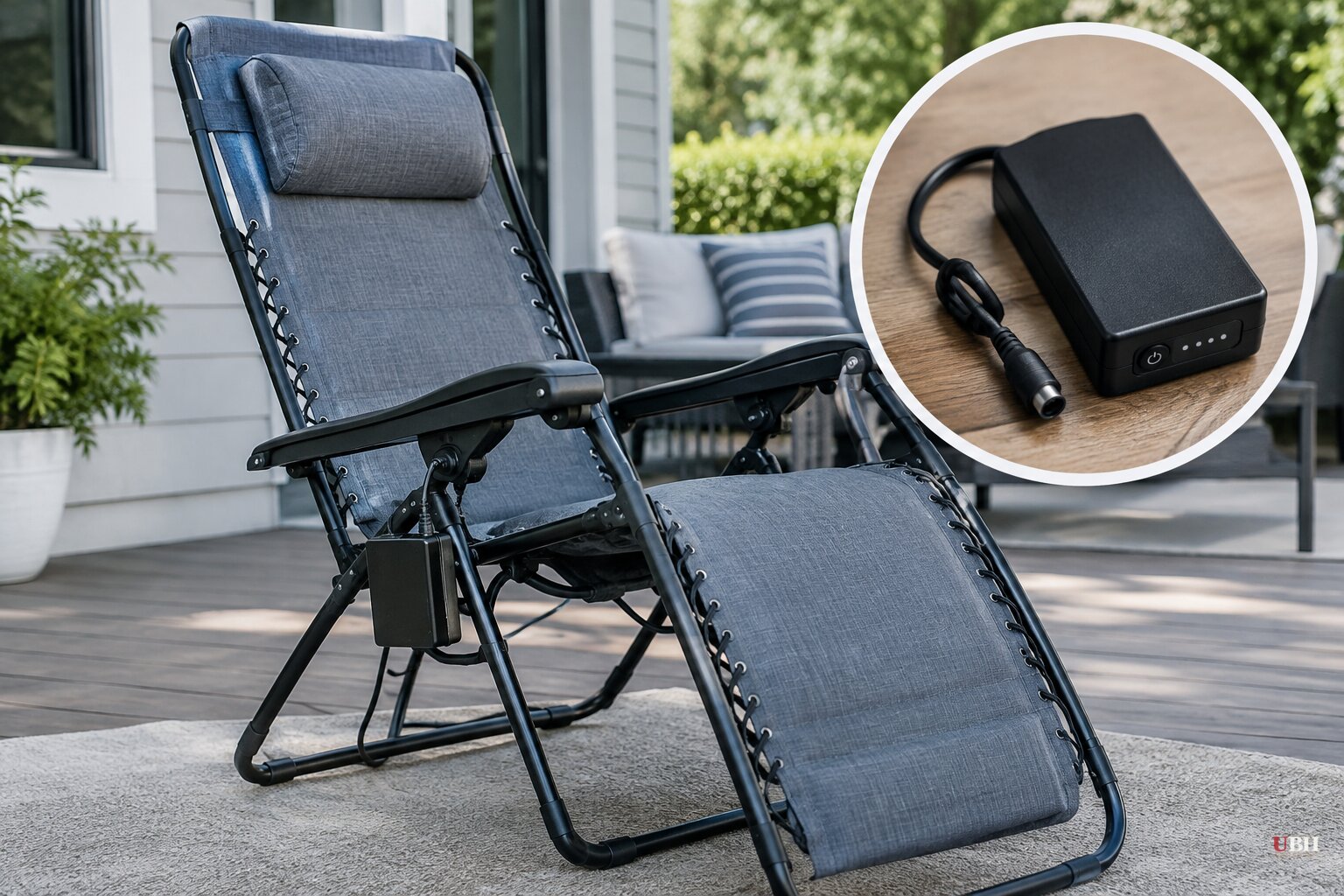
The Consumer Product Safety Commission announced Thursday, September 24, that it's recalling roughly 51,000 battery packs used to power reclining chairs, after getting four reports of the batteries overheating, smoking or catching fire.
The recalled product is The Blue Cactus Company's 2500 mAh Battery Pack, model number RWX-RBP02, according to the CPSC. It's black, has the company's logo stamped on the front, and the model number is printed on the back.
What's Actually Recalled
These aren't chairs. They're the replacement battery packs that power reclining mechanisms, and they were marketed as a universal fit across multiple furniture brands. According to the CPSC, the packs were designed to work with reclining chairs from several different manufacturers, meaning owners who bought a spare or replacement battery separately from the chair itself might not connect the two.
The units were sold exclusively on Amazon from May 2023 through July 2026 for about $105 each, according to the CPSC and confirmed by the Times of India and Cox Media Group outlets WFTV, WGA-U Radio and Action News Jax. The product was imported by Go North Rocket 28 AB, a company based in Sweden.
Four incidents. No injuries reported so far, according to the CPSC. That's the number driving a recall of 51,000 units.
Why the Agency Isn't Waiting for a Fifth Incident
Lithium-ion batteries don't fail gracefully. When a cell overheats, it can swell, smoke, or ignite, and once that starts, it's genuinely hard to put out with a regular fire extinguisher. That's basic battery chemistry, and it's why the agency treats even a handful of reports as reason enough to act before someone gets hurt.
A reasonable skeptic could ask whether four incidents out of 51,000 units justifies pulling an entire product line. But the CPSC's mandate isn't to wait for a statistically significant sample of house fires. A battery pack sitting inside furniture, often near upholstery and close to where people sleep or nap, presents the type of risk the agency exists to catch early. No one is arguing the four reports are being exaggerated. The company itself confirmed the recall rather than fighting it.
What Owners Should Do
If you bought a Blue Cactus reclining chair battery pack on Amazon between May 2023 and July 2026, stop using it immediately and check the model number against RWX-RBP02. The company is offering free replacements, and consumers can reach it by email at recall@thebluecactuscompany.com or through the recall section of thebluecactuscompany.com.
Do not toss the battery in household trash or curbside recycling. Lithium-ion cells need to go to a municipal household hazardous waste collection center, per CPSC guidance.
Part of a Bigger Thursday Recall Dump
The Blue Cactus recall wasn't posted in isolation. The same day, according to PR Newswire and Morningstar, CPSC also posted recalls for Kesyup mattresses (fire hazard, flammability standard violation), light-up children's toys sold by ABC Trading (battery ingestion risk), Aitjunz 8-drawer dressers from Yuyitop (tip-over and entrapment hazard), NEWDERY power banks (fire and burn hazards, also sold on Amazon), Love To Dream portable sleep machines, two more mattress lines from Xinan Home and Style Homeware, INMO Air3 smart glasses, 5Color children's bicycle helmets, and Hyperfuels methanol and ethanol fuel containers. The agency also issued a stop-use warning on FOTING pressure washers over shock and electrocution risk.
That's a long list of safety actions posted in a single day, several involving lithium-ion power sources sold through Amazon's marketplace under brand names most consumers have never heard of. The pattern raises a question: how many more of these third-party, import-heavy battery products are sitting in American homes right now, waiting for a fifth incident to force a recall instead of a fourth.
Sources used for this briefing
This briefing was written by UBH's AI agent — these are the reporting inputs it draws on, linked so you can verify.


