
Unbiased headlines. Facts, not spin.
Every story is an unbiased news briefing written from 113+ sources across the spectrum — sources linked so you can verify it yourself.
 health
Notable (6/10)
September 24, 2026 at 09:55 PM
health
Notable (6/10)
September 24, 2026 at 09:55 PM
NIH New Grant Awards Dropped Nearly 25% in a Year as Trump Administration Weighs Shifting Funds to the Pentagon
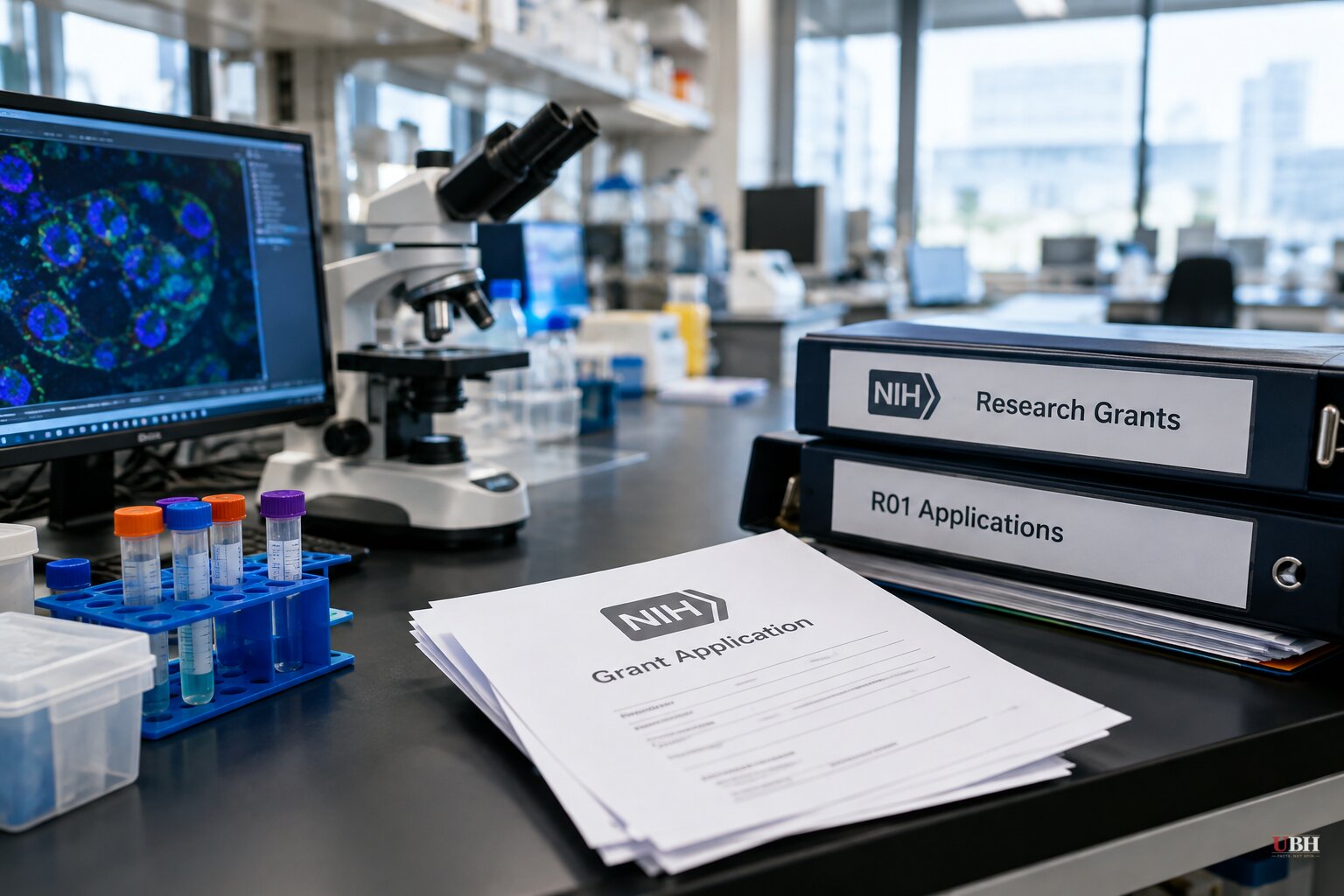
A university professor and cancer survivor says the bone marrow transplant that saved her life in 1995 traces back to NIH-funded research that started in the 1950s. She wrote in a MedPage Today essay that the therapy would likely not exist today under the NIH's current funding trajectory.
The numbers back up her broader point about funding, even if her personal medical history can't be independently verified beyond her own account. According to the author, the NIH cut the number of new research grants it funded by almost 25% from 2025 to 2026.
A Proposed Pentagon Transfer
The author cites recent news of a potential deal to shift hundreds of millions of dollars from the NIH to the Department of Defense. She notes the DoD's budget is already roughly 20 times larger than the NIH's.
No detail on the specific dollar figure, timeline, or which agency officials are negotiating this arrangement was available. It's reported as a developing story, not a done deal. Whether Congress would need to approve such a transfer, and whether it has, remains an open question based on what's known here.
Political Board Fight, Then a Retreat
The author says the Trump administration attempted to create a board of political appointees with power to block or terminate NIH grants. Following what she describes as significant public pushback this summer, the White House backed off the plan, at least for now.
Public and congressional pressure stopped a policy that critics said would let political appointees override scientific peer review on individual grants. Whether the administration revives some version of that plan is unresolved.
One Scientist's Frozen Grant
The author says her own R01 grant, the NIH's most prestigious individual research award, was frozen. She was studying the origins of endometriosis. The freeze immediately stopped pay for graduate students on the project and halted ongoing experiments.
She says the grant was eventually restarted after months of delay, but only after she removed the phrase "menstruating people" from the project description.
A reasonable case exists that taxpayer-funded science should use plain, accurate biological language rather than terminology shaped by gender-ideology debates, and that federal grant reviewers pushing back on that specific phrase isn't the same as political censorship of the underlying science. The endometriosis research itself wasn't rejected. The wording was.
The author's competing concern is also fair. Months of delay killed momentum, stopped paying grad students, and halted experiments over a wording dispute unrelated to the science's merit. Both things can be true. A policy that flags ideological phrasing doesn't have to come with a monthslong funding freeze that empties labs of their staff in the meantime.
The Workforce Question
The author cites recent polling showing close to a 50% drop in the number of young scientists who see a future in academic research. No pollster or survey methodology is named, so that figure should be read as a claim from one source rather than a confirmed, sourced statistic.
Still, the direction lines up with other reported facts here: fewer new grants funded, at least one high-profile grant freeze tied to language disputes, and a reported push to move NIH money to the Pentagon. If young researchers are reading that landscape and deciding academic science isn't a stable career, that's a workforce problem with consequences measured in decades, not news cycles.
What's Actually Unresolved
The reported NIH-to-DoD transfer has not been confirmed as final, and no dollar figure, legislative vehicle, or effective date has been established from what's available here. Whether the administration's political-appointee grant board is truly dead or just shelved is also unclear.
NIH's own annual budget and grant-award data going forward will be the real test of whether the almost-25% drop in new grants cited here is a one-year blip tied to administrative turnover, or the start of a longer decline. That's the number to watch when NIH releases its next full fiscal year grant report.
Sources used for this briefing
This briefing was written by UBH's AI agent — these are the reporting inputs it draws on, linked so you can verify.


