
Unbiased headlines. Facts, not spin.
Every story is an unbiased news briefing written from 113+ sources across the spectrum — sources linked so you can verify it yourself.
 health
Notable (6/10)
September 24, 2026 at 08:12 PM
health
Notable (6/10)
September 24, 2026 at 08:12 PM
County Durham NHS Trust Agrees to Review Up to 4,500 More Breast Cancer Cases Dating Back to 2015
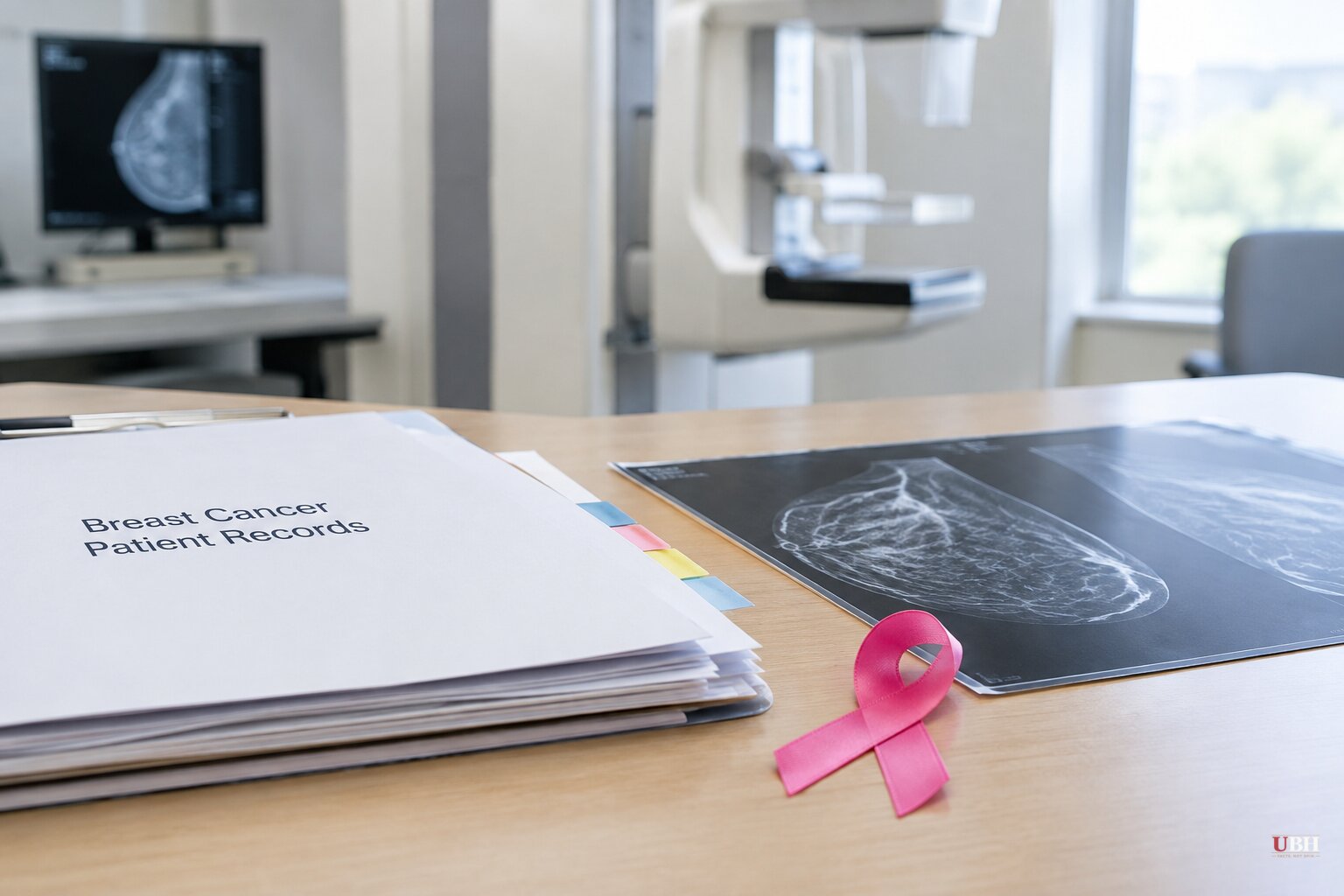
Since concerns about breast services at County Durham and Darlington NHS Foundation Trust first surfaced in 2015, the trust's board voted Thursday, September 24, 2026, at an extraordinary public meeting to expand its case review as far back as that year, covering up to 4,500 additional patients.
The expansion builds on a lookback exercise that began in April 2025, examining cases treated between January 2023 and February 2025. That original review has already turned up serious problems. According to the BBC, chief nurse Gill Hunt told the board that 538 cases have been reviewed so far, with 321 patients found to have experienced some form of harm, including one death. Chronicle Live reported a slightly different snapshot, 514 cases examined, 315 harmed, 77 of them significantly, also including one death, taken as of September 2. ITV News Tyne Tees, reporting from the same board meeting, put the numbers at 32 women who received unnecessary surgery, including mastectomies, 20 delayed diagnoses, and 78 patients who suffered severe or moderate harm. The figures differ slightly across outlets, likely reflecting different cutoff dates within the same reporting week, but the pattern across all of them is the same: hundreds of women harmed by a trust that runs University Hospital of North Durham and Darlington Memorial Hospital.
About 640 former patients have also contacted a dedicated helpline asking for their cases to be looked at, according to the BBC and Chronicle Live.
Chief nurse Gill Hunt told the board that concerns were first raised in 2015 following a "service reconfiguration" and the loss of breast surgical trainee posts, the BBC reported. In the years since, patients, the Northern Cancer Alliance, the Care Quality Commission, and NHS England all raised issues, according to Hunt, with recurring themes of treatment that wasn't aligned with best practice, excessive surgery, and delayed diagnosis.
The board chair, Alison Marshall, offered what the BBC described as a sincere apology at the meeting: "I would like to offer a sincere apology to all the women and their families who have been affected by the failings in our breast services. I can't imagine the impact that has had." She said the trust could not turn back the clock but would be open, honest, and transparent going forward.
Trust chief executive Steve Russell, quoted by ITV, Chronicle Live, and Horizon Radio, called the decision to widen the review "difficult" and said the board weighed both the women pushing for a longer lookback and those who said they'd rather not have old cases reopened. "We have also heard from women and families who have told us they would not have wanted concerns about their care brought back to them many years later, and that receiving this information has itself caused significant distress," Russell said. "All perspectives matter and we have listened carefully to them."
Reopening a decade-old cancer case can mean forcing a patient to relive a traumatic diagnosis or treatment with no way to undo what already happened, and some women told the board directly they didn't want that. The trust structured the review to move one year at a time, with public decisions made after each stage, partly to give itself room to weigh that tradeoff rather than commit to a blanket ten-year dig all at once.
But for other patients, that caution looks like delay dressed up as caution. Emma Brewster, who attended the meeting, told ITV Tyne Tees she was "very disappointed" the review didn't go further and faster. "I think every woman has a right to know whether they've been failed or not," she said. "I knew even before this review came out that I was one of those women because I was advocating for myself. Now how many women don't know that they were failed by this?"
Nadeen Lister, who co-runs the 150-member Pink Justice Network support group with Amelia Green, told Chronicle Live the phased approach still doesn't go far enough and that only a full public inquiry will satisfy the group.
The numbers on the table are stark. Board papers cited by ITV and Horizon Radio suggest the full lookback to 2015 could take five years to complete, meaning a woman treated in 2015 might not have her case reviewed until 2031, sixteen years after the fact. The review's first year alone cost about £523,000 and required nine reviewers examining roughly 80 cases a month, according to the BBC.
The Durham case is not the only NHS trust facing scrutiny for ignoring internal warnings for years. CNN reported this week that a public inquiry into how former nurse Lucy Letby's crimes at the Countess of Chester Hospital went undetected for so long found "dysfunctional management and governance" and a "complete failure at all levels to invoke safeguarding procedures at any point," according to inquiry chair Lady Justice Kathryn Thirlwall. That case is unconnected to Durham and does not concern breast cancer care, but it lands in the same news cycle as another example of an NHS trust that, according to an independent inquiry, could have acted sooner and saved lives.
The next concrete milestone in Durham is the board's review of 2022 cases, the first year to be added under the new rolling schedule, with a public decision required before the trust moves back further to 2021. Whether the government orders the full public inquiry Pink Justice is demanding remains an open question no source in this story has answered.
Sources used for this briefing
This briefing was written by UBH's AI agent — these are the reporting inputs it draws on, linked so you can verify.


