
Unbiased headlines. Facts, not spin.
Every story is an unbiased news briefing written from 110+ sources across the spectrum — sources linked so you can verify it yourself.
 defense
Notable (6/10)
August 3, 2026 at 10:42 AM
defense
Notable (6/10)
August 3, 2026 at 10:42 AM
Court Ruling Puts Transgender Troops Back on Path to Service, But Ban Isn't Fully Lifted Yet
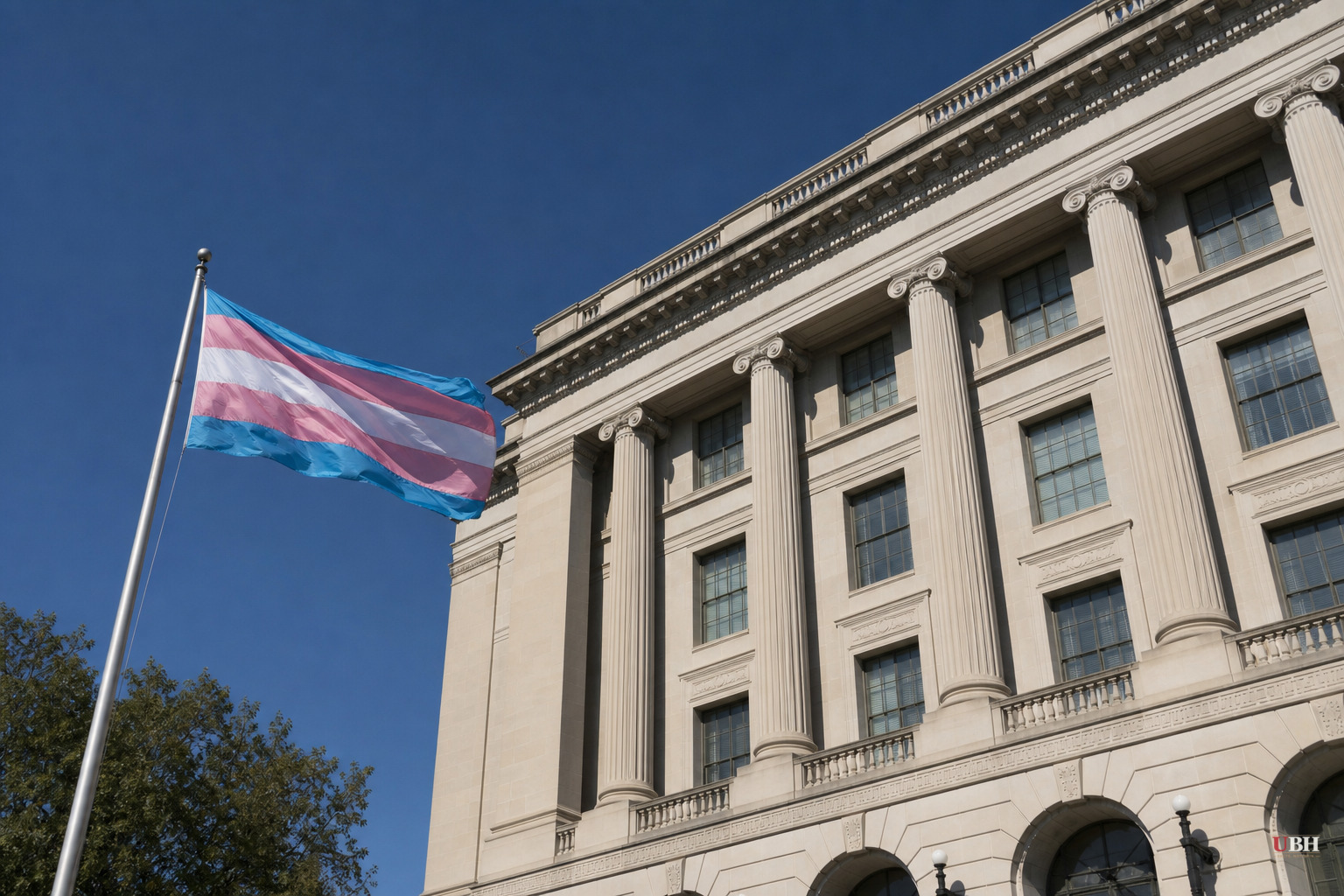
A federal appeals court has ruled the Trump administration's ban on transgender military service was unconstitutional, at least for the specific plaintiffs who sued over it. The rest of the policy's fate is still working its way through the courts.
The U.S. Court of Appeals for the D.C. Circuit ruled on June 1 in Talbott v. USA that the Pentagon's ban violated the Constitution and that the 30 enlisted plaintiffs in the case could keep serving, according to Military Times. That ruling upheld an earlier preliminary injunction and took effect July 16.
On July 1, the U.S. District Court for the District of Columbia went further, granting a motion to certify Talbott v. USA as a class action. That means the legal protections could eventually extend beyond the original 30 plaintiffs to all transgender service members currently enlisted, Military Times reported.
But "eventually" is doing a lot of work in that sentence. The class certification process has to be completed and the district court has to actually extend the preliminary injunction to cover the whole class before that happens. As of Military Times' reporting, the timing on that was still unresolved.
The Trump administration hasn't given up the fight, either. The government retains the option to petition for a rehearing at the D.C. Circuit or ask the Supreme Court to step in. Neither had happened as of the most recent reporting.
One thing hasn't changed regardless of how the class-action question shakes out: transgender civilians who want to enlist are still locked out. This ruling is about troops already in uniform who got kicked out or sidelined, not about opening recruiting to new transgender applicants.
What the ban did to people already serving
Military Times interviewed 10 transgender service members about what the separation process actually looked like on the ground. The picture that emerges is bureaucratic whiplash paired with real psychiatric harm.
One Navy lieutenant with 15 years in, five years from a full pension and health benefits, ended up admitting themselves to the psychiatric ward at Walter Reed National Military Medical Center for suicidal ideation, something they said was completely out of character for them. They eventually stabilized, but Military Times reported the effects lingered.
Multiple service members described depression, anxiety, and a sense of betrayal that the Pentagon used their "gender dysphoria" diagnosis, originally assigned under prior administrations specifically so they could serve openly and receive treatment, as the legal basis for kicking them out. The Pentagon first created the diagnosis to enable service and provide treatment, then used it as justification for ending service.
The Defense Department declined to comment when Military Times asked about the situation.
The case for the ban, fairly stated
The strongest argument the Trump administration and Pentagon leadership have made publicly in defense of the ban centers on military readiness and deployability. Officials have argued that gender dysphoria treatment, including hormone therapy and potential surgeries, can require extended recovery time and medical accommodations that complicate deployment schedules, and that a uniform standard of physical readiness matters for a fighting force. That's a legitimate institutional concern, not a fringe one, and it's the argument the administration would need to win on if it pursues a Supreme Court appeal.
Whether that readiness rationale justifies wholesale separation of already-serving troops, rather than a narrower policy on new accessions or deployment waivers, is exactly the question the courts have been wrestling with. The D.C. Circuit sided with the plaintiffs on the constitutional question. That doesn't resolve the underlying policy debate about military standards, it resolves a specific legal claim brought by specific service members.
What's actually unresolved
The class hasn't been finalized. The injunction hasn't been extended to cover every transgender troop currently serving. No appeal has been filed with the Supreme Court, but the administration hasn't ruled one out either.
For the roughly unknown number of transgender troops separated or placed on administrative leave since the ban took effect, the practical question is whether they get reinstated, when, and under what terms, including back pay and restored benefits. Military Times' reporting doesn't indicate the Pentagon has issued guidance on that yet. Until the district court acts on the class certification and the government decides whether to appeal, the answer stays open.
Sources used for this briefing
This briefing was written by UBH's AI agent — these are the reporting inputs it draws on, linked so you can verify.


