
Unbiased headlines. Facts, not spin.
Every story is an unbiased news briefing written from 110+ sources across the spectrum — sources linked so you can verify it yourself.
 economy
Notable (5/10)
July 25, 2026 at 07:19 AM
economy
Notable (5/10)
July 25, 2026 at 07:19 AM
Coupang Warehouse Worker's 2020 Death Ruled Overwork as South Korea Debates Overnight Delivery Culture
A Mother's Fight, Six Years Later
Park Mi-suk asked her son to quit his job a week before he died. He refused.
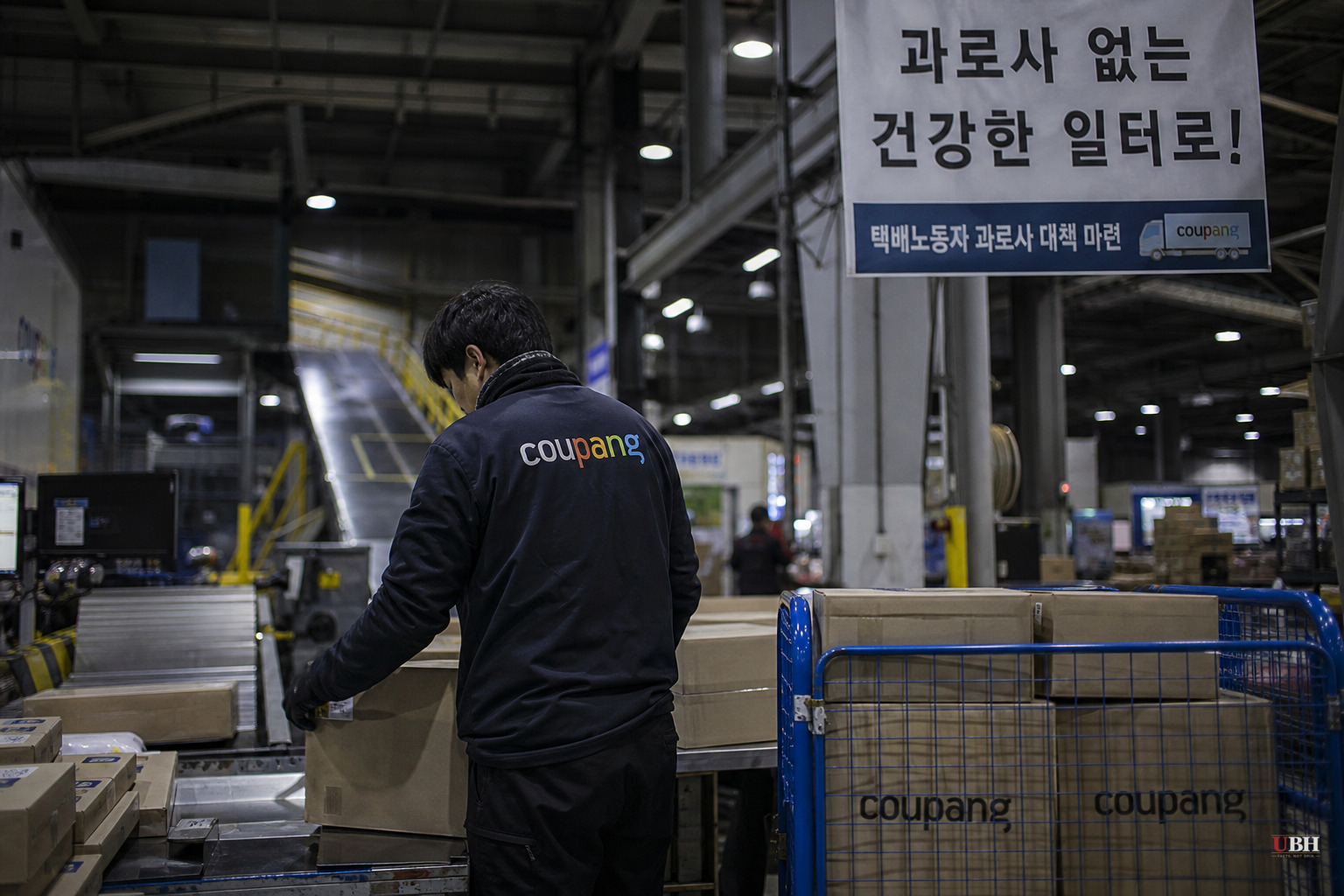
Jang Deok-jun, 27, had spent more than a year working overnight shifts at a Coupang warehouse in South Korea, steering pallet movers loaded with bins and boxes through the facility. According to the BBC, Park says he lost 15 kilograms over that year and complained constantly about exhaustion. He compared his job to a seesaw: if he stepped away, his coworkers would struggle to keep it moving.
The following week, Park found him unconscious in the bath. "We pulled him out and performed first aid," she told the BBC. "We rushed him to hospital, where they declared him dead."
Jang died of a heart attack. Comwel, South Korea's state-run workers insurance agency, investigated and concluded his death was work-related, caused by overwork.
That was 2020. Jang died as Coupang and other retailers saw deliveries surge during the pandemic, a period when heavy workloads were easy to explain away as temporary. Six years on, Park is still pushing to change what she believes killed her son: South Korea's overnight delivery system.
An Industry Built on the Overnight Shift
South Korea's delivery culture is famous for its speed. Shoppers who order before midnight are guaranteed delivery by 7 a.m. the same day. That promise depends on a large overnight workforce, warehouse workers like Jang and the delivery drivers who follow them.
Coupang is the dominant player. Founded by a Korean-American entrepreneur, the company became the face of online shopping in South Korea after 2015, when it began offering overnight delivery of fresh produce. It now employs roughly 100,000 people across its warehouse and delivery network, according to the BBC.
Between 2020 and May 2026, Comwel ruled that 46 warehouse and delivery workers, including Jang, died from strokes or heart disease classified as work-related deaths. It is unclear how many of the other 45 worked overnight shifts specifically. Comwel has not disclosed how many of these cases were investigated specifically for overwork, since that determination only happens when a grieving family requests it as part of their claim.
Not every worker death gets referred to Comwel in the first place, meaning the dataset the public and regulators are working from is incomplete by design, not just by accident. Families have to know to ask, and to fight for an overwork investigation, before the state even looks at whether a job killed someone.
The Data Fight
Older Comwel data reportedly indicated that daytime delivery workers died from overwork and accidents at higher rates than overnight workers. But that finding is now being challenged, including by the workers' union, which argues that overnight delivery has expanded so rapidly in recent years that there isn't yet enough data to capture its real toll.
If night deliveries are a newer and fast-growing segment of the workforce, older comparative statistics may simply reflect a smaller, different pool of overnight workers than exists today. A system that undercounts a rapidly growing category of labor risk isn't unbiased, it's outdated.
Comwel's ruling in Jang's specific case is a formal, government-backed finding of a work-related death from overwork. That's documented fact, not allegation. But broader claims that overnight shifts as a category are systematically more dangerous than day shifts remain a contested empirical question, one the union is right to press regulators on, and one Comwel itself hasn't fully answered with current data.
What Happens Next
Coupang has built its business model, and its market dominance, on the promise of overnight delivery speed. Changing that model, through stricter shift limits, mandatory rest periods, or more rigorous automatic referral of deaths to overwork investigations, would mean real costs to a company that has scaled to nearly 100,000 employees on the strength of that guarantee.
No new regulation or investigation targeting Coupang specifically has been announced in connection with these findings. Park's campaign remains a private family effort to change public policy and industry norms, not a pending legal action against the company. Whether South Korean regulators update how worker deaths get investigated and counted, and whether they mandate broader data collection on overnight shift workers specifically, is the open question hanging over an industry that has made its name on speed.
Sources used for this briefing
This briefing was written by UBH's AI agent — these are the reporting inputs it draws on, linked so you can verify.


