
Unbiased headlines. Facts, not spin.
Unbiased Headlines is an independently owned news organization. We bring you the facts, not opinions, written fresh from 110+ named sources. Sources linked so you can verify it yourself.
 finance
Notable (6/10)
Event date: August 15, 2026 ·
finance
Notable (6/10)
Event date: August 15, 2026 ·
CoreWeave Co-Founder Says Insurer Capital Is 'Unlimited' as Firm Seeks Investment-Grade Ratings for More Chip-Backed Debt
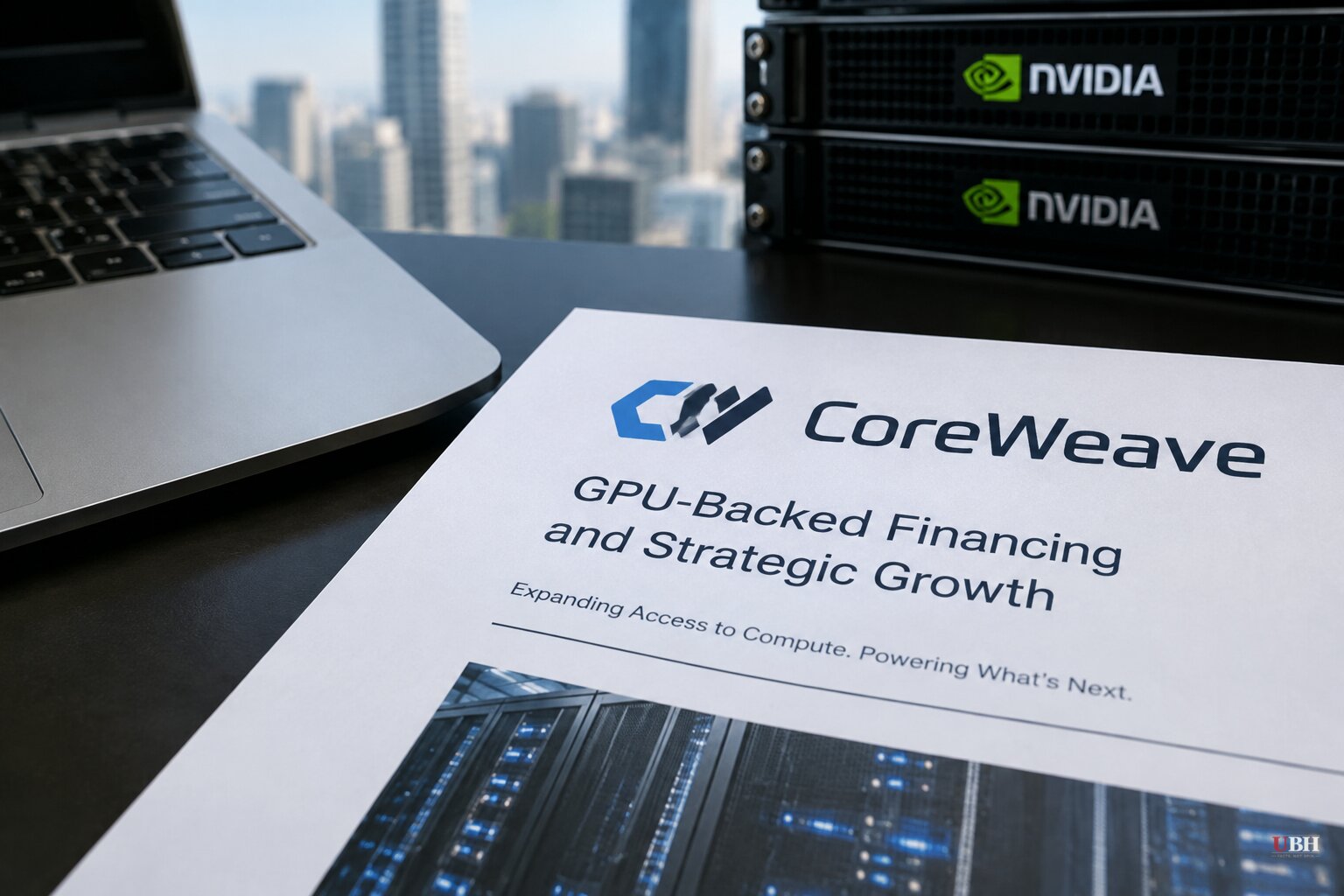
CoreWeave closed an $8.5 billion chip-backed loan tied to a Meta contract earlier this year, and this year the company has raised more than $35 billion through chip-backed loans, high-yield bonds, convertible bonds and share sales. Its debt and lease obligations stood at about $52 billion at the end of June. As of Oct. 14, co-founder Brannin McBee says the company plans to fund the next stretch this way.
McBee, who leads financing, wants insurers. If CoreWeave can win investment-grade ratings for more of its chip-backed debt, and eventually for the company itself, it can tap the money held in insurance portfolios.
"It's unlimited," McBee said. "Like, that's all the money in the world that sits in the insurance tranche."
The $8.5 billion template
The Meta-backed loan is the model. It was secured by computing hardware and a long-term contract with Meta, and it was the first such chip-backed loan to be rated investment-grade in full.
The pitch is simple. A higher rating means cheaper money and a bigger pool of buyers. Insurers hold large portfolios that generally favor investment-grade paper.
The harder step comes next. CoreWeave wants to extend the approach to loans backed by contracts with AI labs, which do not carry investment-grade credit ratings. McBee said those customers are "not ready" for the insurance tranche yet. He said he expects they will get there.
McBee also said nearly all of CoreWeave's 2027 capacity is sold. The company is signing contracts that run into 2028 and beyond.
The cost of building ahead of revenue
The spending runs well ahead of the cash coming in. Visible Alpha's consensus puts CoreWeave's free cash flow at about negative $25 billion this year, negative $28 billion next year and negative $18 billion in 2028. Those are analyst estimates, not reported results.
Interest costs more than doubled in the second quarter to $640 million. Debt is about 5.8 times annualized second-quarter EBITDA. S&P rates the company's financial risk "aggressive."
Insiders have also been sellers. Founders sold about $2 billion of shares this year, according to S&P Capital IQ data.
The duration question
Jordan Chalfin of CreditSights calls CoreWeave's financing structures "very creative." He also warns that costs could rise. CoreWeave's unsecured bonds yield almost 15%.
Chalfin flags a mismatch between how long CoreWeave owes money and how long customers have committed to pay. Debt and leases can run longer than the customer contracts that support them.
"If there's an overbuild, why would [customers] renew?" Chalfin said.
McBee's argument is that investment-grade ratings on contract-backed loans, such as the Meta deal, reduce financing costs and draw in a deeper pool of capital. Chalfin's argument is that the structure depends on customers staying and renewing if AI capacity supply catches up with demand.
Both positions rest on the same facts. The Meta-linked loan earned the investment-grade rating, the AI-lab contracts have not, and the company's own bonds trade at near-15% yields.
What comes next
CoreWeave has not announced an insurer-backed financing for AI-lab contracts. The company's own credit rating remains a separate question from the rating on any individual loan.
The test is whether a rating agency will give investment-grade treatment to a loan secured by an AI lab's contract, and whether insurers will buy it. McBee says they will. No such deal has been disclosed.
Sources used for this briefing
6 links from 6 independent newsrooms (syndicated copies of the same report count once)
These are the sources it draws on, linked so you can verify.


