
Unbiased headlines. Facts, not spin.
Unbiased Headlines is an independently owned news organization. We bring you the facts, not opinions, written fresh from 110+ named sources. Sources linked so you can verify it yourself.
 finance
Notable (6/10)
Event date: August 26, 2026 ·
finance
Notable (6/10)
Event date: August 26, 2026 ·
Copper Hits an All-Time High, Then Tumbles, as Traders Race Trump's Tariff Clock
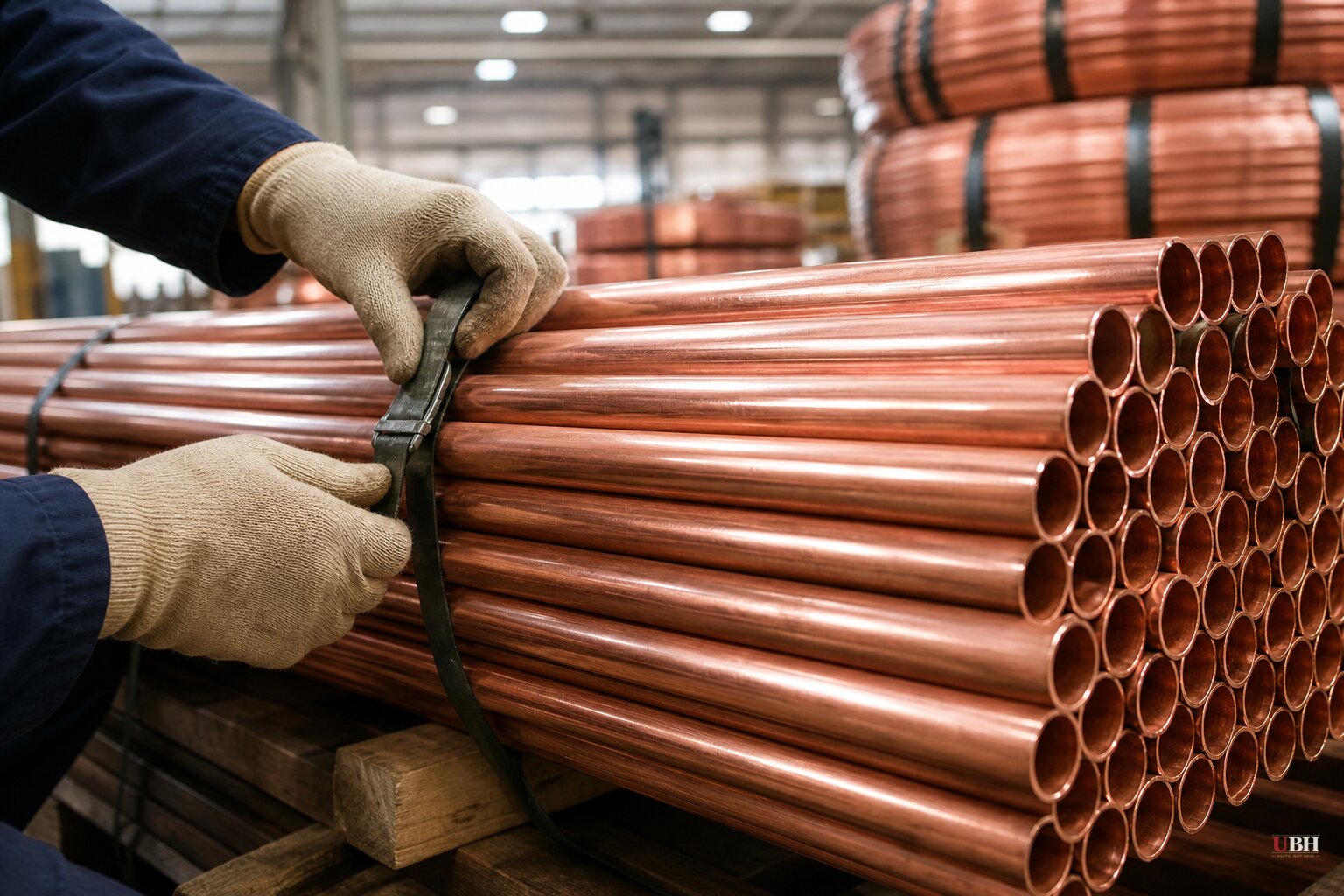
A record, then a reversal
Copper hit an all-time high of $6.7775 a pound on Comex in the final week of August 2026, according to Mining.com, before sliding roughly 3% by Thursday, August 27, to $6.5645 as attention shifted from tariff-driven stockpiling to actual demand in China. By Wednesday, September 2, the metal had fallen further, toward $6.40 a pound, its lowest level in a month, according to TradingView.
The run-up wasn't subtle. Economies.com reported copper touched $6.7270 on Comex on Tuesday, August 25, breaking a previous record of $6.7140 set August 12. The iShares Copper and Metals Mining ETF was up nearly 20% for August, its best month on record, according to Isabel Wang's reporting for MarketWatch, republished by Morningstar.
Why traders are racing the clock
The driver, according to multiple sources, is not booming global demand. It's a looming U.S. import duty. Washington has floated a 15% tariff on refined copper starting January 2027, rising to 30% in 2028, according to both Economies.com and Mining.com. Traders have been shipping metal into U.S. warehouses ahead of that deadline, pulling inventory out of the London Metal Exchange and pushing Comex stockpiles to a record 675,185 tons after 46 straight days of inflows, Economies.com reported.
BNP Paribas head of metals strategy David Wilson put it bluntly to clients, as reported by Bloomberg and cited by Mining.com: "Why would you deliver to the LME" when shipping to the U.S. ahead of the tariff deadline still pays. ANZ senior commodity strategist Daniel Hynes told Reuters, also via Mining.com, that a wave of LME warrant cancellations "stoked fresh concerns of supply shortages" outside the U.S.
That's flipped the market's outlook. CRU had forecast a global copper surplus of 639,000 tons for 2026. Chief copper analyst Robert Edwards now says the market looks "balanced at best" if U.S. imports keep pace, Economies.com reported. The U.S. brought in 885,000 tons of refined copper in the first half of 2026, up 3% from a year earlier and on track to approach 2025's record of 1.64 million tons.
Businesses that depend on imported refined copper, from electronics makers to grid contractors, have reason to worry that a 30% duty by 2028 raises their input costs just as demand for AI data centers and power infrastructure is climbing. None of the reports cited here detail what, if anything, the administration is doing to expand domestic refining capacity to offset that cost, and the White House had not finalized the tariff decision as of TradingView's Wednesday report.
Not just a tariff story
Copper's rally also got a lift from what Sprott Asset Management's Jacob White called the "debasement trade," the same dynamic pushing gold and bitcoin to highs as investors grow wary of the dollar amid a national debt that has crossed $40 trillion, according to Morningstar's report. White also pointed to AI data-center construction as a genuine demand driver, separate from tariff positioning, noting a single 1-gigawatt facility can require tens of thousands of tons of copper wiring.
By Thursday, August 27, that story was colliding with softer fundamentals. China's industrial firm profits rose 11.2% year-over-year in July, according to the National Bureau of Statistics as reported by Mining.com, down from June's 15.1% pace and the weakest reading of the year. Chile, the world's top copper producer, reported a 9.4% drop in July output, per TradingView, offering some support even as demand worries mounted. Rising oil prices tied to escalating U.S.-Iran tensions over the Strait of Hormuz, plus climbing global bond yields, added further pressure on the broader commodities outlook, TradingView reported.
Copper stocks split on the news. Southern Copper gained another 2.1% to $218.23 on Thursday, extending a run of nearly 10% in a week and 21% for August, Mining.com reported, while Ivanhoe Mines, First Quantum, Zijin Mining and Teck Resources all slipped.
The Canada precedent
The copper whiplash isn't happening in a vacuum. Trump's broader tariff strategy has already reshaped one major trading relationship: Canada's. Since taking office in January 2025, Trump imposed and repeatedly adjusted tariffs on Canadian goods, invoking emergency powers over immigration and drug trafficking, according to the Associated Press. By later that year, U.S. tariffs on Canadian imports reached 50% on roughly $20 billion in goods, met with matching retaliation from Canadian Prime Minister Mark Carney, the AP reported. A federal appeals court has temporarily blocked a lower court ruling that Trump exceeded his authority on the broader "reciprocal" tariffs, leaving the legal fight over presidential tariff power unresolved.
Whether that same back-and-forth, threat, retaliation, court challenge, repeat, plays out with copper once the White House finalizes its 2027 tariff decision is the open question traders are now pricing into every swing in the metal.
Sources used for this briefing
6 links from 6 independent newsrooms (syndicated copies of the same report count once)
These are the sources it draws on, linked so you can verify.


