
Unbiased headlines. Facts, not spin.
Every story is an unbiased news briefing written from 110+ sources across the spectrum — sources linked so you can verify it yourself.
 economy
Notable (5/10)
July 31, 2026 at 05:24 PM
economy
Notable (5/10)
July 31, 2026 at 05:24 PM
Consumer Sentiment Rises More Than Expected in July, Still Down From a Year Ago
Sentiment Bounces Back, But From a Deep Hole
Americans felt a bit better about the economy in July. The University of Michigan's final Consumer Sentiment Index came in at 55.2, according to data released Friday. That's up from 49.5 in June and slightly better than the preliminary July reading of 54.4.
Joanne Hsu, director of the survey, said the gain was broad. "Broad-based improvements were seen across all groups by income, education, wealth, age, and political party," Hsu said. That's a notable detail. Sentiment often splits hard along party lines. This time it didn't.
Economists polled by Reuters had actually expected the final number to come in lower, at 54.0. It beat that forecast.
Gas Prices Did the Heavy Lifting
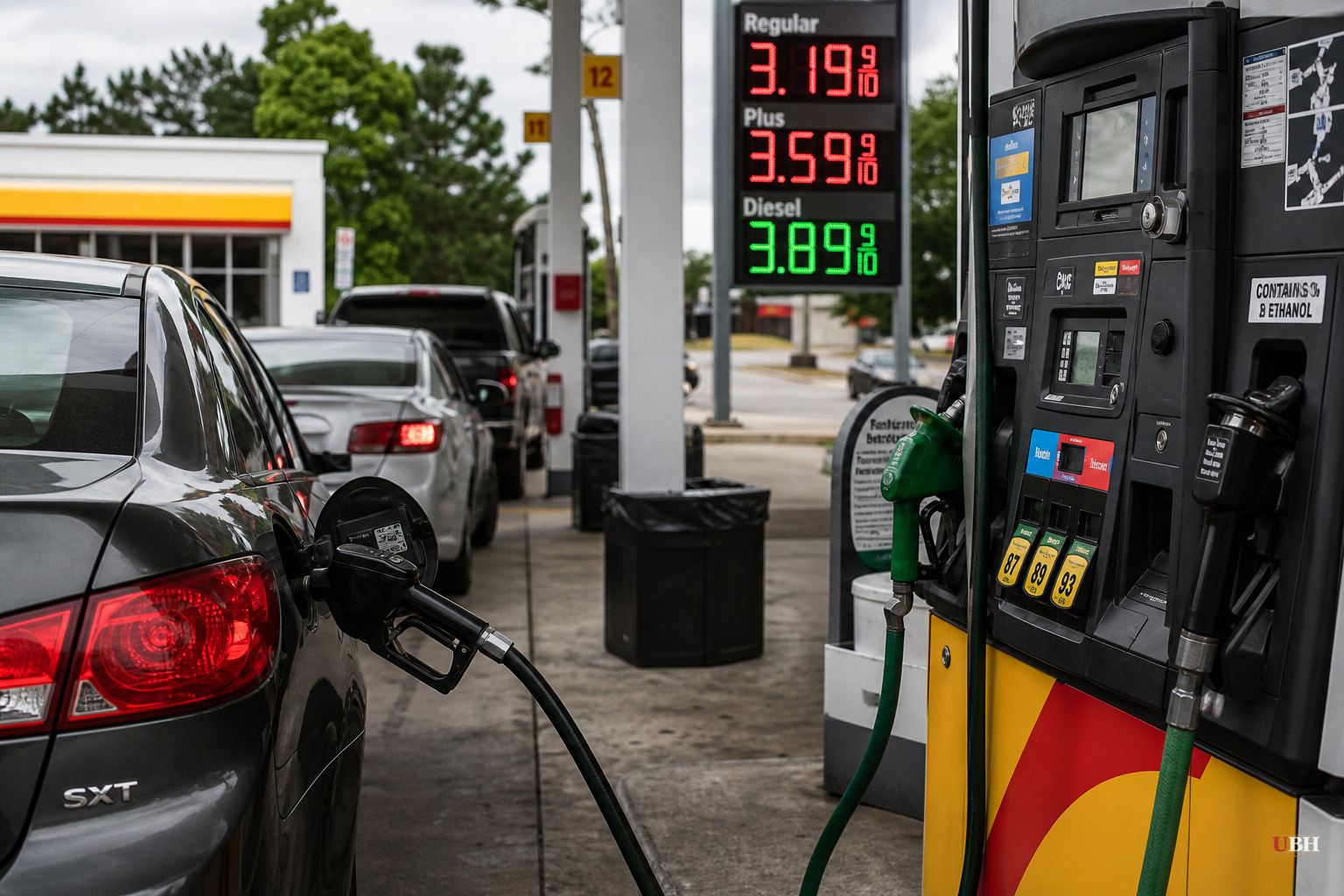
The driver here is fuel costs. Average gasoline prices fell to $3.95 in July, down from $4.05 in June, according to AAA data cited by Morningstar. That decline followed a spike tied to Iran's closure of the Strait of Hormuz, a key chokepoint for Middle East oil shipments, which had pushed prices sharply higher earlier in the year.
Cheaper gas fed directly into cooler inflation readings. The consumer price index for June came in negative month-to-month, largely because of the drop at the pump. Year-ahead inflation expectations in the Michigan survey fell to 4.2%, down from 4.6% in June. Before the U.S. strike on Iran, consumers had been expecting 3.4% inflation over the next year, so expectations are still elevated compared to where they stood before the conflict escalated.
Longer-run inflation expectations, which tend to move less, held at 3.3% in July. That's only slightly above the 2.8% to 3.2% range seen through 2024, according to Breitbart's reporting on the data.
The Catch: Gas Prices Are Already Rising Again
Morningstar reported that gas prices have climbed back above $4.10 a gallon in recent days, even after the July decline that helped drive sentiment higher. Reuters, in a report carried by WMBD radio, noted the survey period itself, June 23 through July 27, actually overlapped with average gas prices rising back above $4 a gallon amid renewed hostilities in the Middle East.
Sentiment improved even as fuel costs were ticking back up during part of the survey window. Hsu's own explanation is that consumers are more locked in on immediate affordability than on geopolitical headlines. "Consumers remain focused on pocketbook issues like purchasing power, while political or military developments remain more in the background," she said.
This recovery in sentiment could reverse fast if pump prices keep climbing into August. A household budgeting around $3.95 gas is in a very different mood than one watching prices creep past $4.10 again.
Still Down From a Year Ago
Both major subcomponents of the survey improved sharply. The present situation index jumped 14.9% from June, and the expectations index rose 9.3%. But both readings remain sharply down from a year ago, according to Breitbart.
Things got less bad, not good. Consumers are less spooked than they were in June, when the index sat at 49.5. But the underlying level says households are still bracing for a rough stretch, even if the immediate panic has faded.
The next data point that will matter most is whether gas prices keep rising through August. If the renewed Middle East tensions push crude and pump prices higher again, expect the September or October sentiment readings to give back some of July's gains. The Michigan survey's next preliminary reading will show whether this improvement has legs or was a one-month reprieve tied to a temporary dip at the pump.
Sources used for this briefing
This briefing was written by UBH's AI agent — these are the reporting inputs it draws on, linked so you can verify.


