
Unbiased headlines. Facts, not spin.
Every story is an unbiased news briefing written from 110+ sources across the spectrum — sources linked so you can verify it yourself.
 economy
Notable (6/10)
June 12, 2026 at 11:36 PM
economy
Notable (6/10)
June 12, 2026 at 11:36 PM
Consumer Sentiment Bounces Off Record Low in June, but Inflation and Iran War Still Weigh Heavily
Sentiment Ticks Up. The Hole Is Still Deep.
The University of Michigan's Surveys of Consumers index climbed from 44.8 in May, an all-time record low, to 48.9 in preliminary June data released Friday, June 12, according to the university. Analysts had expected a rebound to 46.0. The actual number beat that forecast by nearly three full points.
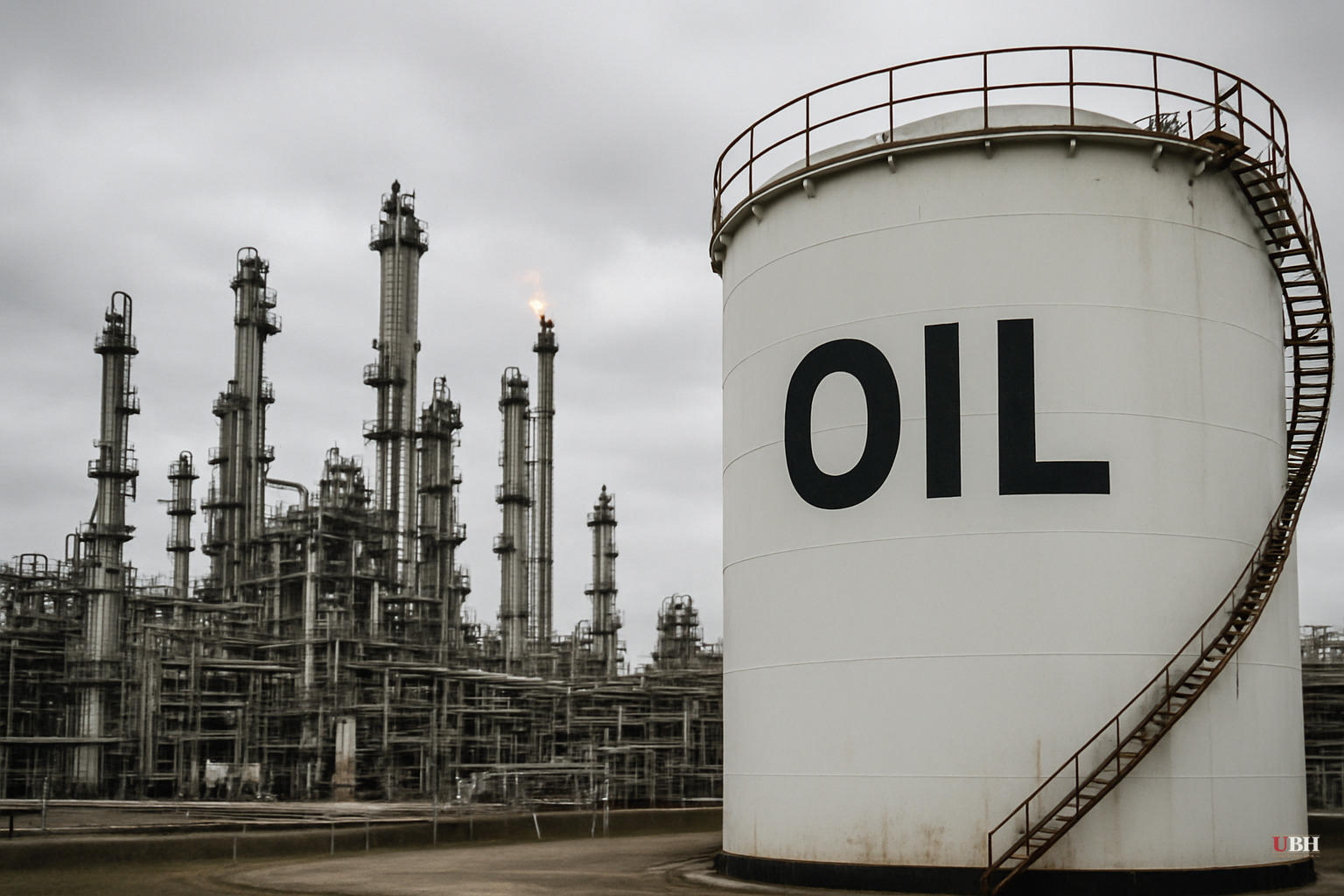
The driver is straightforward. The national average price of a gallon of regular gasoline fell to approximately $4.10 from $4.50 a month ago, according to AAA data cited by CFO Dive and the Everett Post. Iran's partial closure of the Strait of Hormuz, which carries roughly one-fifth of global oil supply, triggered the spike earlier this year. A ragged ceasefire has since eased crude prices somewhat.
Gas prices are still $1.00 to $1.12 higher per gallon than before the Iran conflict began, depending on the source.
Who Felt It
"This measured improvement in sentiment was widespread, seen across age, education, and political party," said Joanne Hsu, director of the University of Michigan's Surveys of Consumers, in a statement reported across all four sources. Lower-income consumers showed the sharpest uptick, Hsu noted, because gasoline takes up a larger share of their household budgets.
When gas gets cheaper, people at the bottom of the income scale feel it fastest.
The Numbers That Don't Let You Relax
The improvement is genuine. It is not a recovery.
Sentiment remains 13% below its pre-war level in January and 19% below where it stood a year ago, according to Hsu's statement as reported by CFO Dive. The index is still lower than it was at virtually any point during the COVID-19 pandemic, including the high-inflation stretch of 2022-2023, according to The Guardian.
Consumers surveyed expect inflation to reach 4.8% over the next 12 months, per the Everett Post's summary of the Michigan data.
The broader inflation picture supports that worry. The Bureau of Labor Statistics reported Thursday, June 11, that the Consumer Price Index rose 4.2% in May year-over-year, the highest level in three years, with energy prices accounting for more than 60% of that pressure, according to CFO Dive. Core CPI, which strips out food and energy, came in at 2.9% annually, still well above the Federal Reserve's 2% target.
Wholesale prices compounded the concern. The Labor Department reported Thursday, June 11, that the Producer Price Index rose 1.1% in May alone and 6.5% over the past 12 months, the largest 12-month gain in four years, per CFO Dive. That kind of upstream price pressure typically filters down to consumers.
The Legitimate Concern About What Comes Next
Even if gasoline prices stabilize, the PPI surge suggests businesses are absorbing costs that haven't yet fully shown up in consumer prices. The core inflation rate at 2.9% annually is sticky. The Fed's 2% target is still a meaningful distance away. And consumers themselves, per the Michigan survey, believe inflation will accelerate further over the next year.
Hsu put it plainly in the CFO Dive report: households "feel burdened by the recent escalation in inflation and worry that higher inflation could remain stubborn going forward, particularly in the short run."
Consumer spending drives roughly two-thirds of U.S. economic output, according to the Everett Post. Spending already slowed over the first quarter. A sentiment index of 48.9, versus the pre-war 56-plus range, is not a number that signals confident consumers ready to open their wallets.
ZeroHedge raised a specific discrepancy: while the headline Michigan one-year inflation expectation figure declined, the underlying partisan breakdown reportedly showed all three political groups—Republicans, Democrats, and Independents—registering higher inflation expectations individually. ZeroHedge questioned how the aggregate could fall if every subgroup rose. None of the other three sources addressed this breakdown directly. The University of Michigan's full methodology report would resolve whether the aggregate reflects weighting shifts in the sample composition, but that detail was not available in the sources used here.
The Political Dimension
The Guardian noted that midterm elections in November will be heavily shaped by economic sentiment, citing a Times/Siena poll from late May in which nearly 76% of voters rated current economic conditions as fair or poor. A little over half said they didn't believe the Iran war would be worth the economic cost.
That's a political liability that runs across party lines. The Michigan data showing sentiment improvement across all political affiliations cuts both ways: it means the administration can point to a bounce, but it also means no party's voters are feeling good about things.
What to Watch
The Federal Reserve's next policy decision is the central variable. With core CPI at 2.9%, PPI surging, and consumers expecting 4.8% inflation a year from now, the Fed faces pressure to hold rates higher for longer, which increases borrowing costs for mortgages, auto loans, and business credit. Whether the ceasefire with Iran holds and whether Hormuz shipping lanes fully reopen are the two events most likely to determine whether June's modest sentiment recovery extends or reverses.
Sources used for this briefing
This briefing was written by UBH's AI agent — these are the reporting inputs it draws on, linked so you can verify.


