
Unbiased headlines. Facts, not spin.
Every story is an unbiased news briefing written from 110+ sources across the spectrum — sources linked so you can verify it yourself.
 energy
Notable (6/10)
August 9, 2026 at 03:22 AM
energy
Notable (6/10)
August 9, 2026 at 03:22 AM
Constellation CEO: Old Power Plants, Not New Ones, Will Power the AI Data Center Boom
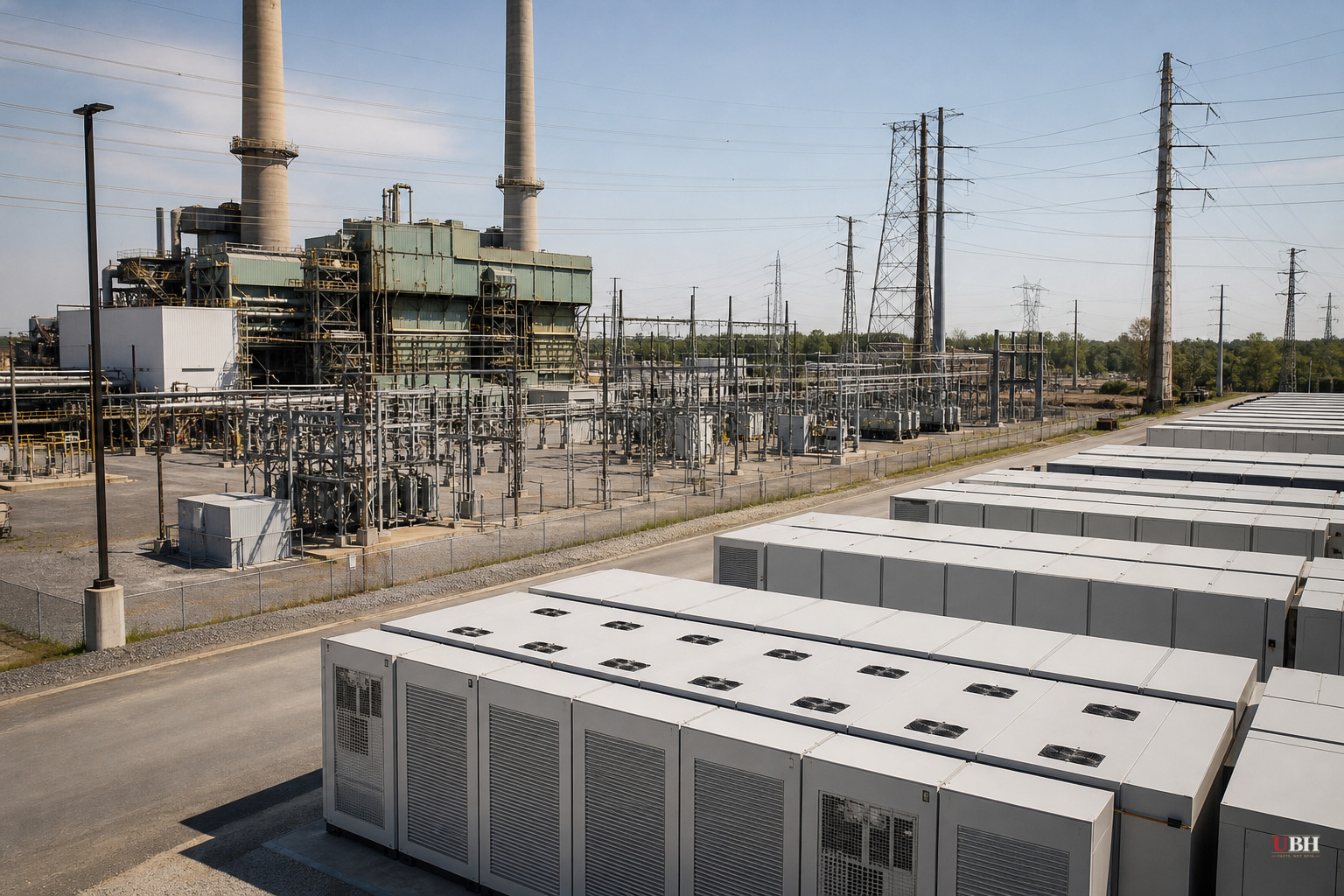
Data centers driving the AI boom don't have years to wait for new power plants. That's the blunt case Constellation Energy CEO Joseph Dominguez made Thursday, August 6, 2026, during the company's second-quarter earnings call, as reported by Ethan Howland of Utility Dive.
Constellation is the largest owner of nuclear power in the country, running about 55 GW of generation total, including roughly 22 GW of nuclear capacity, according to the earnings presentation. Dominguez's argument is straightforward: the existing fleet, not hypothetical new plants, is what actually gets data centers online fast.
"We're never going to build this economy if ... we have to wait for new power plants to be built before we can connect any data center," Dominguez said. "The bedrock of building out at least this early phase of the data economy is going to rely heavily, in my view, on existing generation."
This runs directly against a push in some policy circles for a so-called Ratepayer Protection Pledge, which calls for new data centers to bring their own new generation online rather than draw on the shared grid. That's a fair concern on its face. If a massive new data center soaks up capacity from the existing system, households and small businesses in that region could see their electricity bills rise to cover the strain, especially during peak demand hours in summer heat or winter cold snaps.
Dominguez's counter is that the grid isn't actually short on energy most of the time. "We have a peak capacity concern, not an energy concern," he said. His argument: the system already has enough spare capacity to serve everyone more than 99% of hours in a year. The real bottleneck is a handful of peak hours, and those can be managed with batteries, demand response programs, and peaking power plants rather than years-long construction of brand-new baseload generation.
"The secret sauce here is to deal with the handful of peak hours that present reliability concerns, and at the same time to harvest the stranded capacity that exists every other hour of the year," Dominguez said.
He's pitching Constellation's nuclear fleet specifically as the answer for data center operators worried about those edge cases. "[Potential customers] still have to figure out not just the peak, but what they're doing every other hour of the year," he said. "That's where our fleet becomes extraordinarily valuable because it's a fixed-price, clean energy resource that they could count on for decades."
Constellation isn't abandoning new capacity either. The company's nuclear fleet could grow by 1.1 GW through plant uprates, upgrades that squeeze more output from existing reactors like the 2,347-MW Byron nuclear plant near Byron, Illinois, according to the August 6 earnings presentation. Uprates are faster and cheaper than building new reactors from scratch, which fits Dominguez's broader thesis: use what's already there, then expand incrementally.
The Texas angle adds a real complication. Several Constellation projects tied to data centers have been caught up in a pause on the state's Batch Zero interconnection process, the queue that determines which large power users get connected to the grid, according to Dominguez. Texas is now auditing proposed data center projects before letting them move forward.
Dominguez said he doesn't expect that audit to drag on. "All these folks, particularly coming into the midterm elections, they want to be responsive to their constituents," he said, noting that Governor Greg Abbott has asked for what Dominguez called "pretty reasonable information" as part of the review.
A utility executive tied the pace of a state regulatory review directly to election-year politics during an earnings call. Whether Abbott's administration moves quickly because of genuine due diligence or because 2026 is a midterm year is something only the audit's actual timeline will answer. No completion date for the Texas review has been announced.
The tension here isn't going away. Ratepayer advocates want data centers to pay their own way with dedicated new generation, so ordinary customers aren't stuck subsidizing tech companies' power bills. Utility executives like Dominguez want to move fast using the grid that already exists, arguing new plants take too long and stranded capacity is being wasted anyway. Both arguments rest on real tradeoffs, and neither side has offered public data settling exactly how much of that "stranded capacity" exists or who picks up the tab if peak-hour strain does raise costs. That data, if it becomes public, will determine which side of this argument regulators in Texas and elsewhere ultimately side with as the Batch Zero audit plays out.
Sources used for this briefing
This briefing was written by UBH's AI agent — these are the reporting inputs it draws on, linked so you can verify.


