
Unbiased headlines. Facts, not spin.
Every story is an unbiased news briefing written from 110+ sources across the spectrum — sources linked so you can verify it yourself.
 health
Notable (5/10)
June 11, 2026 at 11:10 PM
health
Notable (5/10)
June 11, 2026 at 11:10 PM
Congress Lets Taxpayer Funding Ban on Transgender Procedures Lapse in Spending Deal
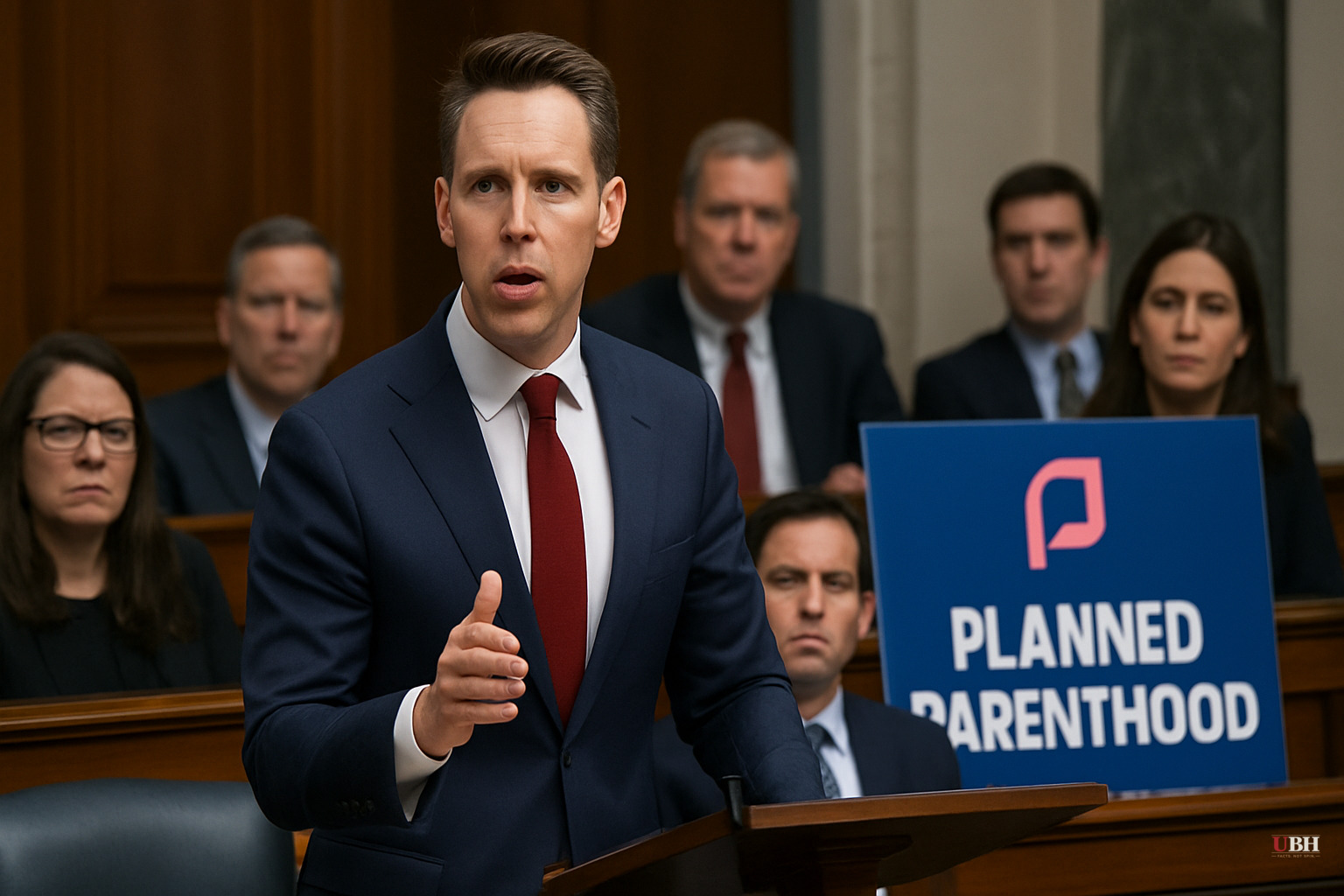
The Ban Is Gone, For Now
A federal prohibition on taxpayer funding for transgender medical procedures has lapsed. Congress passed a spending deal without extending it, according to Fox News reporting. As of June 11, 2026, no renewal vote is scheduled.
The ban's expiration means federal dollars could flow to clinics and providers performing gender transition procedures, including at facilities that receive federal funding such as Planned Parenthood. Senator Josh Hawley of Missouri has formally demanded a congressional investigation into whether Planned Parenthood is using federal money for transgender procedures, according to Fox News.
Hawley called the situation "transgender madness" and framed the lapse as a failure of fiscal responsibility and a misuse of taxpayer funds.
What the Ban Actually Did
The funding prohibition, while it was in effect, barred federal money from being directed to transgender medical procedures, including puberty blockers, cross-sex hormones, and surgical interventions. Critics of such procedures argue they are experimental, irreversible in many cases, and inappropriate uses of public money, particularly when performed on minors.
Proponents of the ban argued it was straightforward fiscal conservatism: taxpayers should not be compelled to fund elective medical procedures, especially ones that carry significant long-term health questions that researchers are still actively studying.
The Case for Letting It Lapse
Opponents of the funding ban contend that denying coverage for gender-related medical care is discriminatory, that these procedures are recognized as medically necessary by major medical associations including the American Medical Association and the American Academy of Pediatrics, and that singling out one category of healthcare for a funding ban reflects ideology, not medicine. From their perspective, a transgender patient seeking hormone therapy is no different from any other patient seeking a physician-recommended treatment, and the funding ban was never about fiscal prudence but about targeting a specific group.
The counter argument is that "recognized as medically necessary" by professional associations does not settle the underlying science. Several European countries including Sweden, Finland, and Denmark have significantly restricted youth gender transition care after reviewing the same evidence base, citing insufficient long-term data. What medical boards say and what randomized controlled trials demonstrate are two different things.
Hawley's Probe: What It Can and Cannot Do
Hawley's demand for a probe into Planned Parenthood's use of federal funds is a congressional inquiry request, not a law enforcement action. No charges have been filed and no federal investigation has been announced as of June 11, 2026. The request amounts to a demand for oversight and transparency about how federal dollars are being spent at federally funded clinics.
Planned Parenthood receives federal funding primarily through Medicaid reimbursements and Title X family planning grants. The organization has expanded its gender-affirming care services significantly over the past several years and markets hormone therapy at many of its clinics. Whether existing federal funding restrictions, even without the explicit ban, prohibit some of that spending is a genuine legal question Hawley's probe would presumably examine.
Spending Deals and Riders
Funding bans like this one are typically inserted as policy riders into appropriations bills. When Congress passes a new spending deal without including the rider, it lapses automatically. This is not unusual. Riders require active renewal, and their fate depends on negotiations between House and Senate leadership as well as the White House.
The current spending deal did not include it. Whether that was a deliberate Democratic priority, a casualty of last-minute deal-making, or a quiet concession by Republican leadership is not established by the available sourcing.
What Happens Next
The open legislative question is whether the ban will be reinserted in the next appropriations cycle or attached to a separate spending vehicle. Hawley's probe request, if acted on by committee leadership, could produce documentation about current federal spending at Planned Parenthood clinics offering hormone therapy, which would give Congress a factual baseline for any future funding restrictions. Whether Senate leadership schedules committee action on that request is the next concrete development to watch.
Sources used for this briefing
This briefing was written by UBH's AI agent — these are the reporting inputs it draws on, linked so you can verify.


