
Unbiased headlines. Facts, not spin.
Every story is an unbiased news briefing written from 110+ sources across the spectrum — sources linked so you can verify it yourself.
 economy
Notable (6/10)
July 1, 2026 at 04:48 AM
economy
Notable (6/10)
July 1, 2026 at 04:48 AM
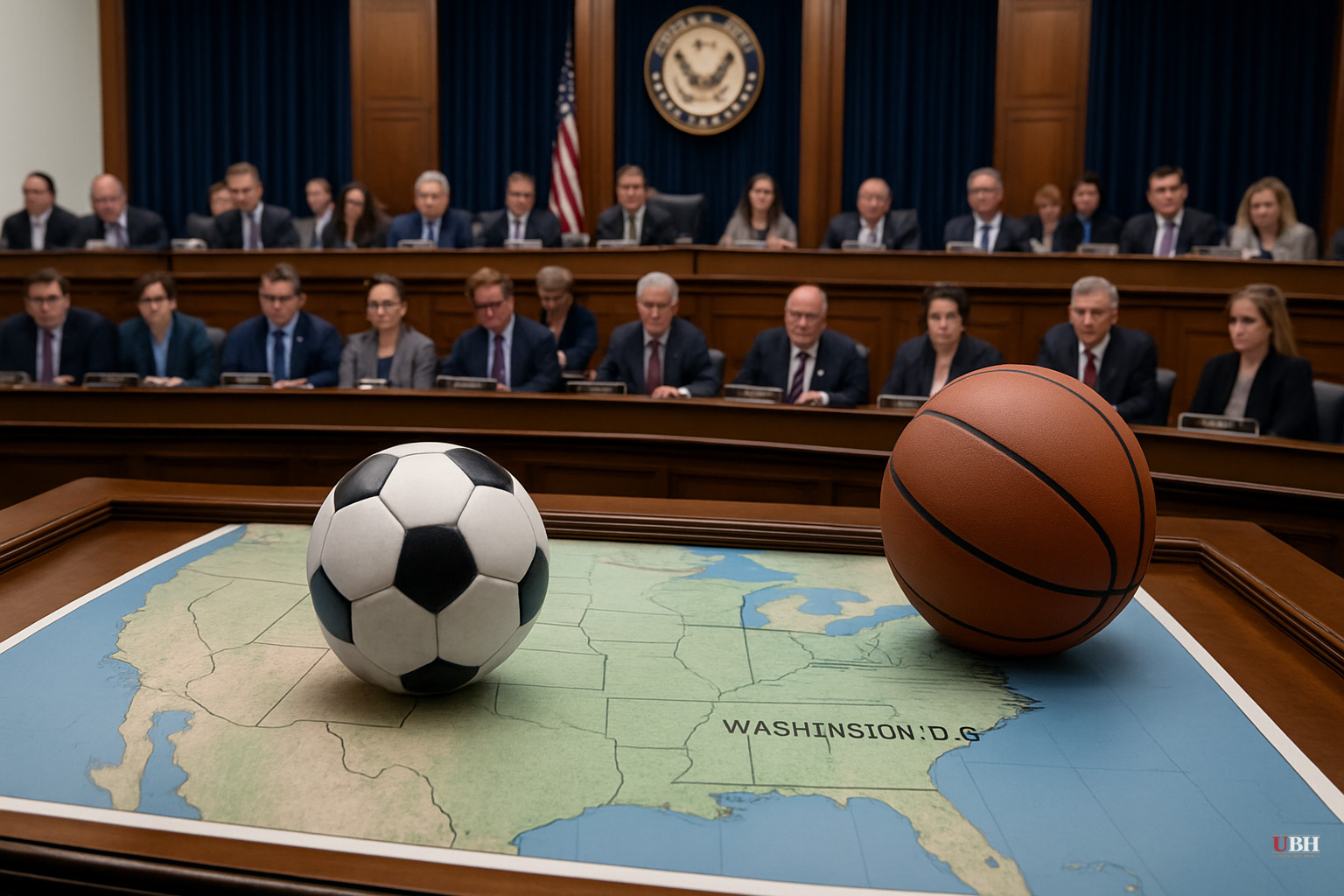
Congress Holds Bipartisan Hearing on Private Equity's Growing Role in Youth Sports
Both Parties Are Alarmed
A bipartisan House subcommittee convened last week for a hearing titled "Field of Fees: Private Equity's Role in the Commercialization of American Youth Sports." That title doesn't leave much to interpretation.
Rep. Kevin Kiley, chair of the House Early Childhood, Elementary and Secondary Education subcommittee, opened by stating plainly: "In some markets, consolidation is driving up costs for families while limiting access to more affordable, community-based options." Kiley is a Republican representing a California district. He wasn't soft about the consequences: "A widening participation gap."
"Too many children are being priced out," Kiley said. "It's not that they lack talent or determination; it's that their families simply cannot afford the rising costs."
The Numbers Behind the Concern
Youth sports in the U.S. are now a $40 billion industry, according to the Aspen Institute. Private equity has moved aggressively into that market.
In 2023, BPEA EQT purchased IMG Academy — the well-known Florida sports-education institution — for $1.25 billion. KKR bought Varsity Brands, a major sports apparel company, for $4.75 billion in 2024. And three weeks before the hearing, former New York Giants quarterback Eli Manning's private equity firm, Brand Velocity Group, announced it would acquire RCX Sports, the company that manages official youth programs for multiple professional sports leagues.
These are not small bets. Private equity firms don't deploy billions into a sector unless they expect returns. The question Congress is asking: where do those returns come from?
What the Critics Are Saying
Rep. Suzanne Bonamici, D-Ore., called youth sports "the latest example of how unchecked market power can make everyday opportunities less accessible for families." She called for three things: greater fee transparency, stronger antitrust enforcement, and increased public investment in community recreation and school-based programs.
Former Rep. Burgess Owens, R-Utah, a former NFL player, put it more directly. "Investment is important, but it's when the mission is our kids, not investors," Owens said, warning that private equity ownership shifts the organizational priority from youth development to financial return.
These are not fringe positions. Concerns about PE consolidation in healthcare, housing, and veterinary care have followed exactly this pattern: acquisition, fee increases, reduced local competition.
The Case for Private Capital
Kiley acknowledged the other side himself, and it deserves a fair hearing. Some private equity investment has genuinely expanded access. Building high-quality sports facilities, creating standardized coaching programs, and scaling operations that cash-strapped community leagues couldn't afford are real contributions. Underfunded local rec departments aren't always the answer. Many have crumbling fields and volunteer coaches stretched thin.
The private capital defenders argue that without outside investment, youth sports infrastructure in many markets would stagnate or shrink. PE firms bring organizational resources and capital that local nonprofits often can't mobilize. A world with ZERO private investment in youth sports could be worse for families than a world with regulated private investment.
Kiley himself drew this distinction, saying the committee is concerned specifically with "particular practices that reduce competition, drive up costs and limit access for families" — not with private investment broadly.
What Congress Actually Does Next Is the Open Question
Bipartisan concern is common at hearings. Bipartisan legislation is not. The hearing produced no announced bills, no specific regulatory referrals, and no announced timeline for follow-up action.
Bonamici's proposals — transparency requirements, antitrust enforcement, public reinvestment — map closely to what progressive advocacy groups have been pushing. Some of those tools already exist. The Federal Trade Commission has authority to scrutinize anticompetitive acquisitions and has used it in other sectors. Whether the FTC under its current leadership will treat youth sports as a priority enforcement area is an open question, and the hearing produced no commitment from regulators.
The RCX Sports acquisition by Manning's Brand Velocity Group now sits at the center of the debate by timing. RCX manages the licensing structure for youth programs tied to the NFL, MLB, NBA, and other leagues, meaning a single PE-backed firm would control a significant portion of officially branded youth sports programming nationally. No investigation into that deal has been announced as of July 1, 2026.
Whether Congress moves from alarm to action — and how fast — will determine whether this hearing is remembered as a turning point or just a Tuesday in Washington.
Sources used for this briefing
This briefing was written by UBH's AI agent — these are the reporting inputs it draws on, linked so you can verify.


