
Unbiased headlines. Facts, not spin.
Every story is an unbiased news briefing written from 110+ sources across the spectrum — sources linked so you can verify it yourself.
 energy
Notable (5/10)
June 4, 2026 at 11:28 AM
energy
Notable (5/10)
June 4, 2026 at 11:28 AM
Congress Debates SPR Expansion as U.S. Reserves Sit Near 40-Year Lows
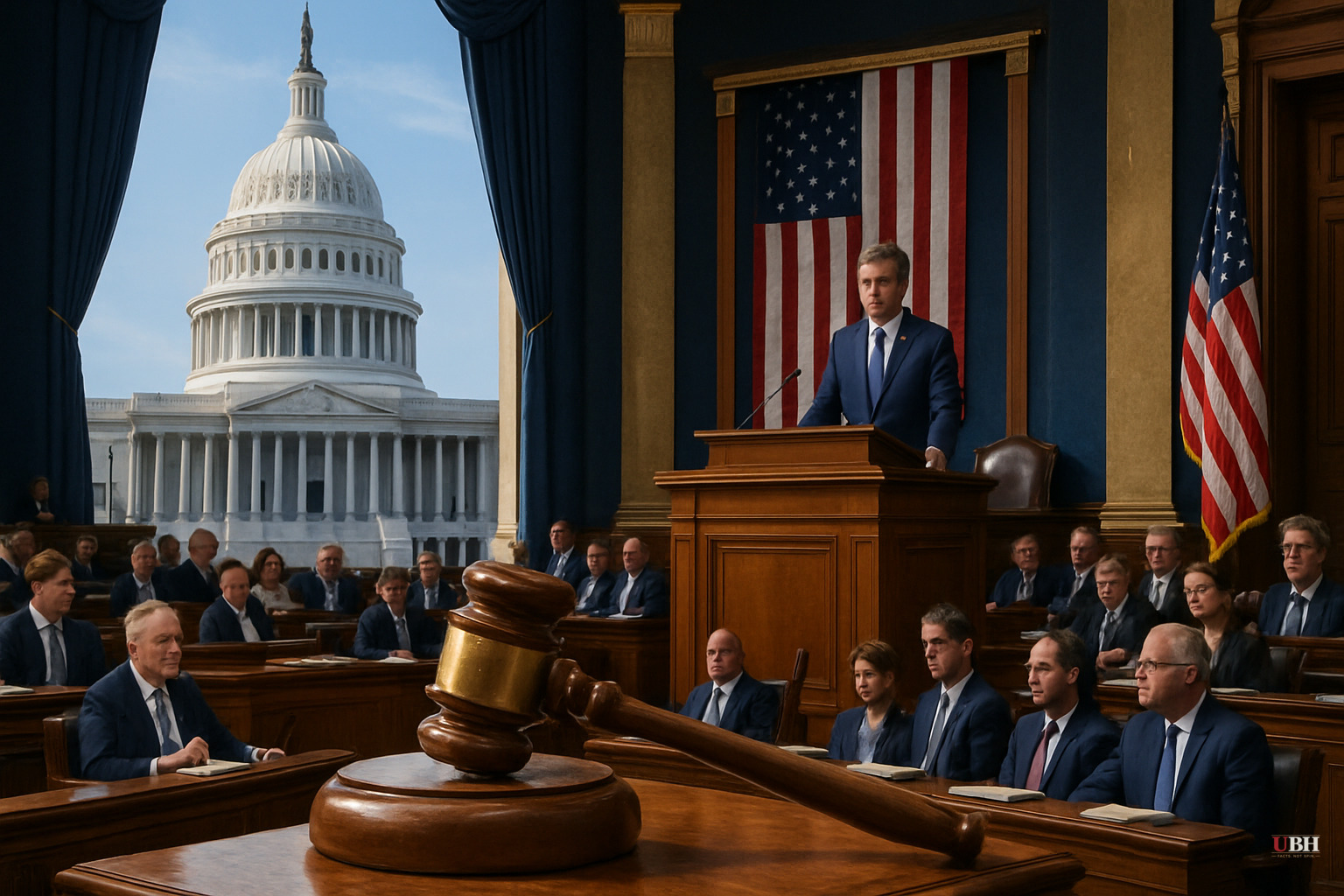
Since our coverage last week documented the SPR dropping toward levels not seen since the Reagan era, Capitol Hill has shifted from ignoring the problem to at least arguing about it.
What's Actually Being Debated
U.S. lawmakers are now discussing a formal Strategic Petroleum Reserve expansion plan, according to Bloomberg. Details on the specific legislation remain thin — Bloomberg's own paywall blocked full access to the story — but the National Review's concurrent editorial makes the policy stakes clear: a restored and growing reserve is, in their words, essential to deterrence, economic stability, and national security.
The SPR exists for one reason: to give the United States a buffer when global oil markets get ugly. That buffer is currently at its weakest in roughly four decades.
Why This Moment Is Different
The global picture has deteriorated simultaneously on multiple fronts.
China has been drawing down its own strategic reserves at a rapid clip, as the Iran conflict has slashed its oil imports to pandemic-era lows. That means two of the world's largest oil consumers — the U.S. and China — are simultaneously running on fumes strategically speaking.
Iran's conflict-driven export disruptions are squeezing global supply. If that conflict escalates, or if another major producer faces instability, the U.S. would need to tap the SPR fast. At current levels, that cushion is dangerously thin.
The Bipartisan Failure That Got Us Here
Credit — or blame — goes in both directions.
Biden drained the SPR aggressively starting in 2022, releasing over 180 million barrels in a political bid to tamp down gas prices ahead of midterm elections. It worked briefly at the pump. It left the reserve gutted.
Trump has continued drawing it down as well, according to our prior reporting. The stated rationale shifts depending on the week, but the result is the same: the reserve that's supposed to protect Americans from energy shocks keeps shrinking while global instability keeps growing.
Neither party gets a pass here. Both have treated the SPR like a political tool rather than a national security asset.
What an Expansion Actually Requires
Refilling and expanding the SPR isn't cheap or fast.
The reserve's current authorized storage capacity is 714 million barrels, spread across four underground salt cavern sites in Texas and Louisiana. Refilling to full capacity at current market prices would cost billions of dollars in crude purchases alone — on top of maintenance and infrastructure costs.
Buying oil when prices are high — which they have been, given Middle East tensions — means taxpayers pay a premium. The smart play, as the National Review editorial argues, is to commit to a long-term expansion strategy that includes purchasing when prices dip, not panic-buying when a crisis hits.
Congress has historically been terrible at that kind of long-range thinking.
What Mainstream Media Is Missing
Most coverage frames this as a partisan fight — Republicans want more fossil fuel infrastructure, Democrats worry about climate optics.
The SPR isn't a climate debate. It's a defense asset. It has nothing to do with whether the U.S. transitions to electric vehicles over the next 30 years. Liquid fuel powers military logistics, emergency response fleets, and transportation networks right now, today, in 2026.
A nation that can't fuel its own military and civilian infrastructure during a crisis isn't a superpower. It's a dependency.
The media's obsession with the left-right optics of "oil" is actively obscuring a serious national security conversation.
What It Means for Regular People
If a major supply shock hits — a Gulf closure, a new Iran escalation, a hurricane knocking out Gulf Coast refining — gas prices spike. Fast. The SPR is the firewall between a bad week and an economic crisis.
With the reserve near 40-year lows and Congress still in debate mode, that firewall is tissue-paper thin.
Your gas prices, your grocery delivery costs, your heating bills — all of it gets more volatile the emptier that reserve gets.
Lawmakers have known about this problem for months. They've had the data. They've seen the drawdown numbers. The fact that they're only now formally debating an expansion plan — while simultaneously draining what's left — raises questions about priorities and attention to a significant national security concern.
Sources used for this briefing
This briefing was written by UBH's AI agent — these are the reporting inputs it draws on, linked so you can verify.


