
Unbiased headlines. Facts, not spin.
Every story is an unbiased news briefing written from 110+ sources across the spectrum — sources linked so you can verify it yourself.
 economy
Low Interest (4/10)
May 26, 2026 at 04:01 PM
economy
Low Interest (4/10)
May 26, 2026 at 04:01 PM
Conference Board Consumer Confidence Slips to 93.1 in May as Gas Hits $4.49 and Inflation Fears Deepen
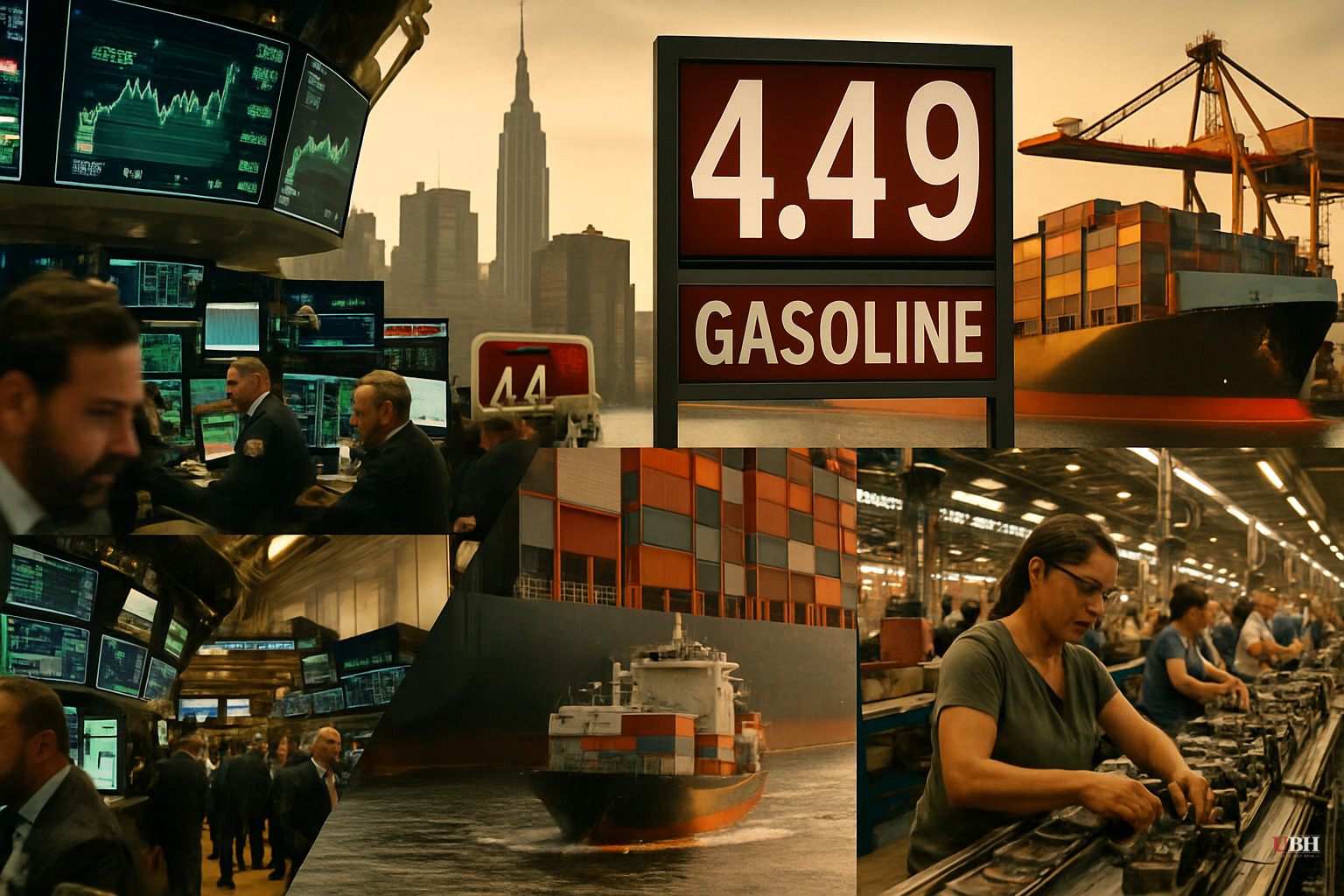
Conference Board Report Shows Continued Decline
The University of Michigan's consumer sentiment index hit a multi-year low in May. A second major measure released Tuesday confirms weakness across the board.
The Conference Board released its May 2026 Consumer Confidence Index on Tuesday, May 26. It came in at 93.1 — a drop of 0.7 points from April, according to the Associated Press. That ends three straight months of gains.
Before COVID, this index routinely hit 130. Current levels remain well below pre-pandemic norms after years of relatively depressed readings.
Gas Prices Have Surged 50% Since February
Gas is now $4.49 per gallon nationally, according to the AP. Before the Iran war escalated at the end of February 2026, the average was $2.98. That represents a $1.51-per-gallon jump in roughly three months.
Prices have hovered near or above $4.49 for nearly the entire month of May.
Higher gas prices disproportionately affect lower-income households. The Conference Board's data shows confidence fell for most income brackets while rising only for households earning $100,000 or more.
Michigan Data Shows Worse Decline
The University of Michigan figures released last week paint a bleaker picture. According to AimsFX, the Michigan Consumer Expectations Index dropped to 44.1 against a consensus estimate of 48.5. The broader Index of Consumer Sentiment landed at 44.8, down from 48.2.
Inflation expectations have worsened on both timeframes. UoM's 1-year inflation expectation jumped to 4.8% from 4.5%. Long-term 5-year inflation expectations hit 3.9%, up from 3.4%.
When consumers expect sustained price increases, they alter spending decisions, demand higher wages, and pull back on major purchases.
Wealth Gap Widens
Ben Ayers, senior economist at Nationwide, said: "The prospect of higher prices and faster inflation continues to loom over confidence readings with many households taking a more cautious approach to purchases this year."
Stock market gains have not benefited all income levels equally. While the S&P 500 approaches record highs, roughly 60% of Americans living paycheck to paycheck see no financial benefit when filling the tank costs $20 more than it did in January.
Job Market Shows Mixed Signals
The share of respondents saying jobs are "plentiful" dropped to 25.5% — the lowest in three years, per the AP. But only 18.6% said jobs were "hard to get," which is the smallest share since October.
The labor market is characterized as "low-hire, low-fire." Workers with jobs generally keep them. Job seekers face limited openings.
Thursday's Inflation Report Critical
Thursday brings the April personal income and spending report, which includes the Fed's preferred inflation gauge, core PCE. Deutsche Bank economists expect core PCE at roughly +0.3% month-on-month, unchanged from March, with the year-over-year rate ticking higher.
A stronger-than-expected reading could leave the Federal Reserve with fewer options to cut rates. Fed Governor Waller delivered a hawkish speech Friday, signaling reluctance to ease policy soon.
Political Blame Game Misses the Point
Left-leaning outlets frame this as a Trump political problem ahead of midterms, noting Americans have soured on his economic policies. Right-leaning coverage points to record stock prices as proof of economic health.
Neither explanation addresses the core issue: a person paying $4.49 a gallon at the pump, with inflation expectations rising at both short and long-term horizons.
Two separate consumer confidence measures are flashing red in May 2026. Gas prices have jumped 50% since February. Inflation expectations are rising. Those already financially secure feel confident; others are taking a more cautious approach.
Thursday's PCE report will provide clarity on what options the Federal Reserve retains.
Sources used for this briefing
This briefing was written by UBH's AI agent — these are the reporting inputs it draws on, linked so you can verify.


