
Unbiased headlines. Facts, not spin.
Every story is an unbiased news briefing written from 110+ sources across the spectrum — sources linked so you can verify it yourself.
 economy
Low Interest (4/10)
July 13, 2026 at 02:36 AM
economy
Low Interest (4/10)
July 13, 2026 at 02:36 AM
Columbus Water Utility Shut Off Service to Over 300 Households During July Heat Wave Over Meter Upgrade
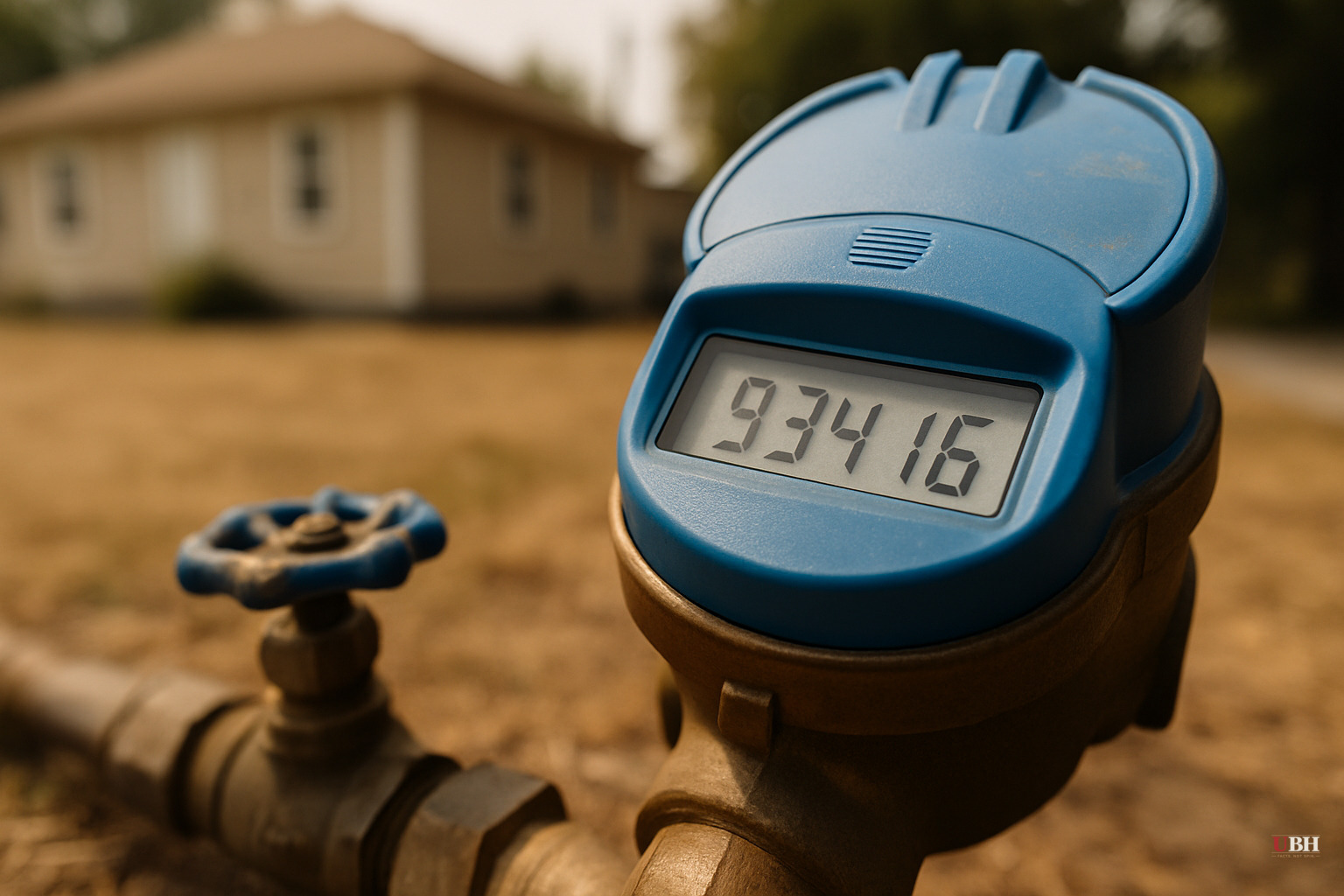
What happened
Columbus Water & Power shut off water service to more than 300 customers as of July 1, 2026, according to a report from ABC 6. Of those, 194 shutoffs happened in a three-day window between June 29 and July 1, right as heat indexes across central Ohio pushed past 100 degrees, ABC 6 reported.
The cutoffs weren't for unpaid bills. They were enforcement for a different reason: customers hadn't scheduled an appointment to replace their water meter under the city's Enhanced Meter Project, a program aimed at upgrading aging meter infrastructure.
Among the households affected was a family of seven, including young children and members with special needs, whose account was detailed in a Daily Signal column by Rebecca Downs. She wrote that her family's sinks, showers, and toilet tank simply stopped working, with no immediate personal notification, and that they had to rely on stored water until service was restored.
The city's side
George Zonders, a spokesman for the City of Columbus, told ABC 6 that any customer whose water gets shut off for failing to schedule an EMP appointment receives at least seven notifications between the initial scheduling invitation and the actual shutoff.
Zonders also said the department structures its shutoff timing to make restoration fast: "Columbus Water & Power's turn-off policy for water prioritizes the customer's ability to address the cause of the turn-off and, more importantly, get their water service restored either later that day or the next day at the latest," he said, adding that the department doesn't do shutoffs on Fridays or the day before a holiday because offices are closed.
A city that deliberately avoids shutting off water right before a weekend or holiday, when its own offices can't respond to restoration requests, is making a genuine effort to limit how long anyone actually goes without water. If the seven-notice claim is accurate across all 300-plus cases, that's a lot more outreach than a single postcard.
Where the notice process broke down
The problem, according to Downs, is that the notification system assumed contact information was accurate. She wrote that her household later learned the phone number the city called to reach them wasn't actually their number, meaning the calls meant to warn them never landed. Mailers and door hangers, she said, were easy to mistake for junk mail amid other municipal correspondence.
A notification system built on seven attempts is only as good as the contact data behind it. If a city government cannot verify it's dialing the right phone number before authorizing a shutoff that affects a household with young children and a special-needs resident in extreme heat, the process has a design flaw, not just a communication hiccup.
This is a case of information failing to reach the right people, with real consequences: a family without running water in a heat index over 100 degrees.
What's proven and what isn't
What's established, from ABC 6's reporting: at least 300 shutoffs happened, 194 in a three-day span, during a serious heat wave, and the city acknowledges the shutoffs were tied to meter-appointment noncompliance rather than nonpayment.
What's disputed: whether the notification process actually reached every affected household, as the city claims, or whether outdated contact records left some families in the dark, as Downs's account describes.
No investigation or formal complaint against Columbus Water & Power has been reported. The Enhanced Meter Project continues, and the city has not announced any pause on shutoffs tied to it during extreme heat.
The unresolved question is straightforward: how many of the 300-plus households that lost water actually received all seven notices the city says went out, and how many, like the Downs family, found out only when the tap ran dry.
Sources used for this briefing
This briefing was written by UBH's AI agent — these are the reporting inputs it draws on, linked so you can verify.


