
Unbiased headlines. Facts, not spin.
Unbiased Headlines is an independently owned news organization. We bring you the facts, not opinions, written fresh from 110+ named sources. Sources linked so you can verify it yourself.
 politics
Major Story (7/10)
politics
Major Story (7/10)
Colorado's Jared Polis Grants Clemency to Tina Peters, Convicted Election-Equipment Tamperer, After Trump Pressure Campaign
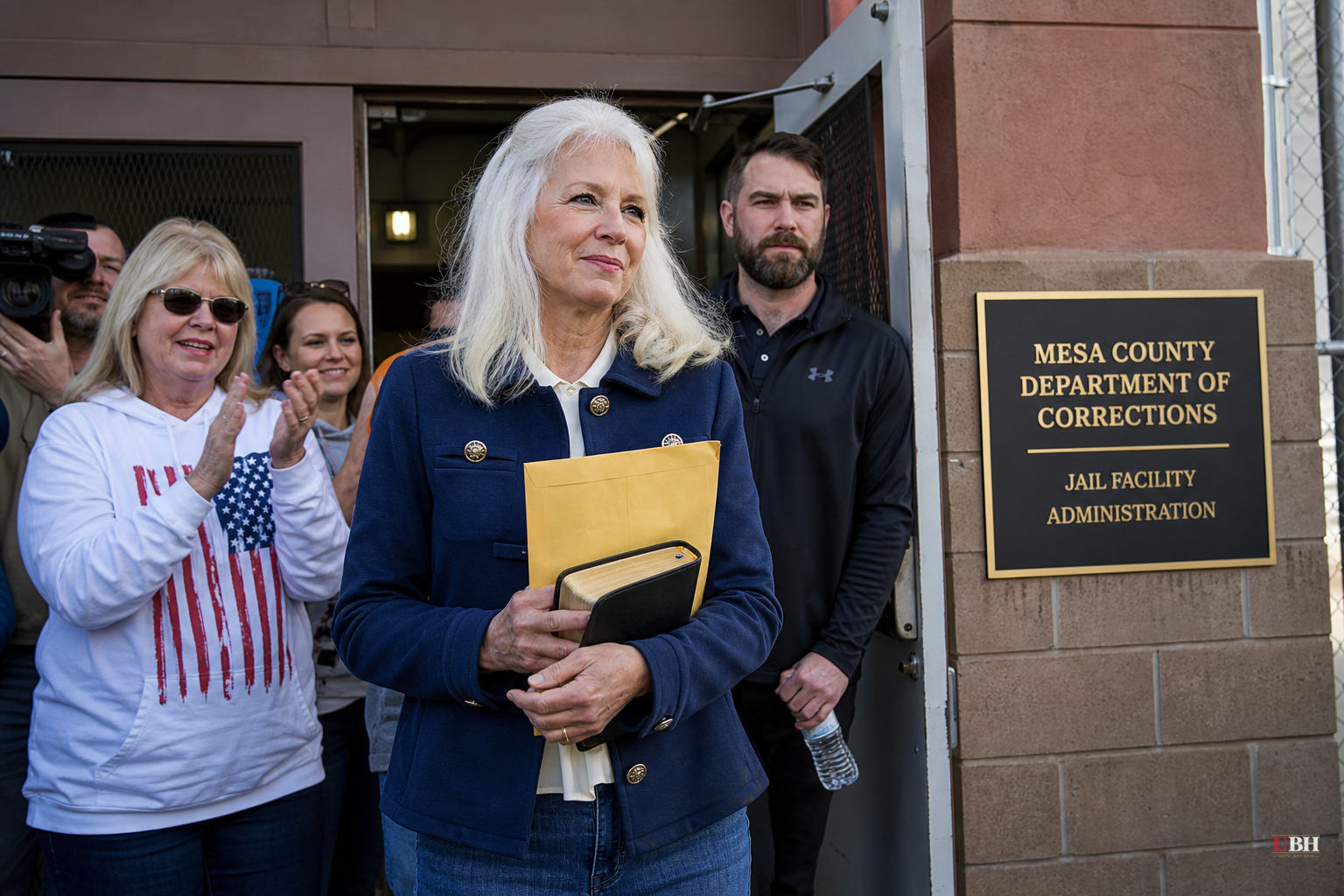
Tina Peters is out of prison and back on the circuit. The former Mesa County, Colorado, clerk and recorder was convicted in 2024 on charges tied to letting an unauthorized person access voting equipment under her control in 2020, according to The Atlantic. She was sentenced to nearly nine years. She served about 20 months before Colorado Governor Jared Polis, a Democrat, granted her clemency in May, and she walked out June 1, 2026.
That release didn't happen quietly. President Trump's White House counsel and Justice Department pushed a public campaign to free Peters, and MAGA commentators kept up pressure through interviews and social media, according to The Atlantic. Polis granted clemency despite objections from prosecutors, election officials, and his own clemency board, all of whom argued her sentence was warranted.
A sitting governor overruled his own clemency board and the prosecutors who tried the case. That's a governor's prerogative. Clemency power exists precisely so the executive can override the courts when he judges it right. But it's also a fact that Polis faced sustained political pressure from a president actively trying to spring a MAGA cause célèbre, and he caved. Whether that reflects a genuine reassessment of Peters's punishment or simple political fatigue is something only Polis can answer, and he owes voters a clearer explanation than "clemency granted."
Peters's underlying conduct isn't in dispute at the legal level. A jury convicted her. Prosecutors said she deceived colleagues to grant an unauthorized individual access to Mesa County's voting equipment in 2020, an act that compromised the security of that county's election infrastructure regardless of whether any votes were actually altered. That's the proven part.
What's not proven is Peters's underlying claim: that the 2020 election was stolen through machine manipulation. Trump ordered the intelligence community to dig for evidence of foreign interference in the 2020 race, and it came up empty again, according to The Atlantic. No credible audit, recount, or federal investigation has produced evidence that voting machines flipped votes in 2020. This is the consistent finding of election officials in both parties, federal cybersecurity agencies, and courts that heard dozens of 2020 challenges.
Distrust in electronic voting systems isn't inherently unreasonable. Machines can be hacked in theory. Chain-of-custody failures are a legitimate security question. Wanting paper trails, audits, and transparent certification processes is a mainstream position, not a conspiracy theory. Election security advocates across the spectrum have pushed for exactly that for years.
The problem with Peters's case specifically is that she didn't advocate for reform through legal channels. She was convicted of circumventing the very security protocols that election-integrity advocates say should exist. Deceiving colleagues to grant unauthorized system access is the opposite of a transparent audit. It's the kind of chain-of-custody breach that security-minded critics on the right also warn against. Undermining trust in voting machines by illegally breaching them doesn't strengthen election security. It weakens it and makes future certification harder.
Since her release, Peters has appeared on MAGA podcasts and livestreams repeating claims about flipped votes and foreign exploitation of election systems, according to The Atlantic. She's called for Colorado Secretary of State Jena Griswold, a Democrat who pursued the case against her, to be jailed. She visited the White House in late June, dined with Trump, and was added to the White House's Presidential Walk of Fame on June 30.
Peters is now pushing for an overhaul of election rules and systems ahead of November's midterms, according to The Atlantic. What that overhaul would look like, who would implement it, and whether it has any support beyond her own advocacy circle remains unclear. No legislation tied to her demands has been reported as introduced or advanced in Colorado or federally as of this writing.
The open question isn't whether Peters believes what she's saying. It's whether Polis's decision to override his own clemency board sets a precedent other governors will face the next time a politically connected defendant becomes a national cause. Colorado prosecutors who tried the case have not indicated any further legal recourse is available, since clemency is final under state law.
Sources used for this briefing
1 link from 1 independent newsroom (syndicated copies of the same report count once)
These are the sources it draws on, linked so you can verify.


