
Unbiased headlines. Facts, not spin.
Every story is an unbiased news briefing written from 110+ sources across the spectrum — sources linked so you can verify it yourself.
 economy
Notable (6/10)
July 23, 2026 at 09:54 AM
economy
Notable (6/10)
July 23, 2026 at 09:54 AM
Colorado Energy Office Grants Jumped From $7 Million a Year to $313 Million Under Biden-Era Climate Programs
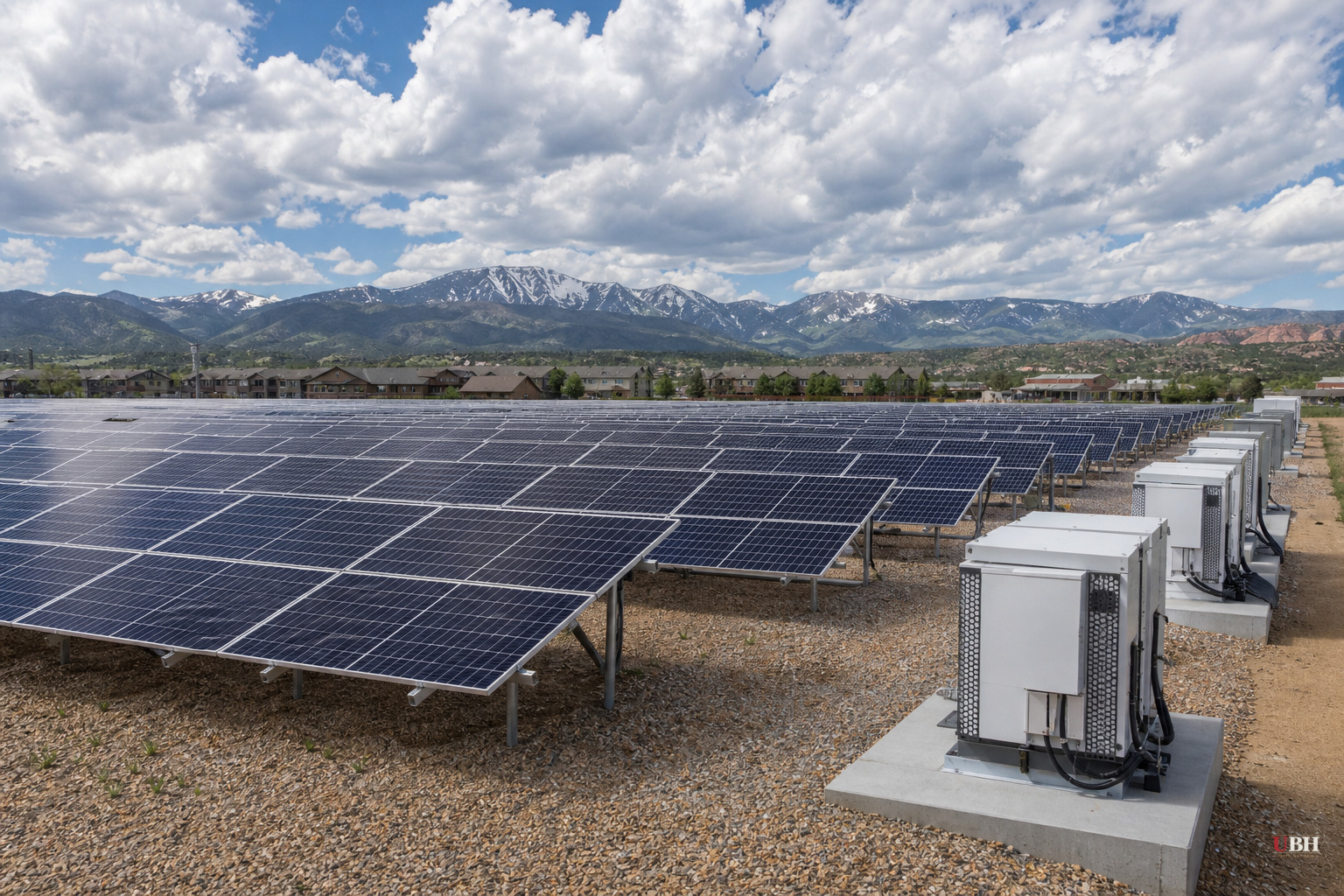
For 50 years, the Colorado Energy Office was a sleepy state agency handing out cash for insulation upgrades and efficient furnaces. From 2010 to 2022, it pulled in an average of $7 million a year from the U.S. Department of Energy, according to RealClearInvestigations.
Then Congress passed the Inflation Reduction Act and the Bipartisan Infrastructure Law, and the money spigot turned into a firehose. In fiscal year 2024 alone, Colorado's energy office was slated to receive $157.5 million from the Department of Energy and another $156 million from the EPA, according to RealClearInvestigations reporting by James Varney, based on a review of Treasury Department grant data.
That's more than 22 times the historical annual average, in a single year, from just one of two federal agencies involved.
The spending didn't stop when Biden lost. An additional $60 million was allocated to the Colorado office after Trump won the 2024 election on a promise to halt exactly this kind of spending, RealClearInvestigations reported.
A nationwide pattern, not just Colorado
Colorado is one example in a much bigger dataset. RealClearInvestigations found the state's energy office was just one of many agencies and outside groups across the country that saw exponential increases in federal climate grants during Biden's final two years in office, as the administration tried to convert federal agencies into financing arms for a rapid shift to renewable energy.
The Treasury Department's own database shows the pattern: once Congress approved the funding, agencies went looking for any outfit, public or private, state or local, that could push the money out the door. Many of those groups had no track record managing sums that large.
Jeremy Portnoy, an investigator with OpenTheBooks, a nonprofit that tracks government spending, told RealClearInvestigations that Biden-era climate policy "sometimes prioritized sending money out the door first, and worrying about logistics and oversight second." Portnoy said grant recipients sometimes received awards larger than their organizations were capable of managing.
A 22-fold jump in one year is the kind of scale-up that tests any organization's ability to track where the money actually goes.
The $9.5 billion question, and the lawsuit
The broader program at issue promised $9.5 billion in awards to state and county energy programs starting in fiscal year 2024, according to RealClearInvestigations. That's a relatively small slice of total Biden-era green energy spending, but it's become a flashpoint because the Trump administration has moved to claw back money that hadn't yet been spent.
Thirteen Democratic state attorneys general filed suit in February seeking to force release of all the approved grant money, according to RealClearInvestigations. Their argument, as characterized in the lawsuit, is that the Trump administration specifically targeted states run by Democrats and that without the funds those states' "ambitious climate goals" may go unmet.
States that budgeted and planned programs around promised federal grants are now dealing with funding uncertainty they didn't create. If a state passed its own climate laws assuming federal co-financing, having that money frozen after the fact creates real planning problems, regardless of which administration is in charge.
But the attorneys general's lawsuit doesn't address the oversight problem Portnoy and RealClearInvestigations identified. Sending $9.5 billion to state and local outfits, many without a demonstrated ability to manage grants of that size, is a separate issue from whether the Trump administration's clawback effort is politically motivated. The original spending rollout arguably prioritized speed over accountability, and the subsequent freeze could still be applied unevenly.
No court has ruled on the Democratic AGs' claims as of this writing, and no federal investigation into fraud or misuse of the Colorado grants specifically has been announced in these reports. The RealClearInvestigations piece documents a spending pattern and quotes a watchdog's concern about oversight capacity. It does not allege that Colorado or any other state actually misspent the money.
ZeroHedge's republication of the RealClearInvestigations piece adds no new reporting or sourcing of its own. It simply reproduces the original article under its own byline structure, crediting RealClearInvestigations and author James Varney throughout.
The open question is what happens to the frozen portion of that $9.5 billion. The lawsuit from the 13 Democratic attorneys general is pending, and until a court rules, states like Colorado are left trying to plan multi-year energy programs around federal money that may or may not show up.
Sources used for this briefing
This briefing was written by UBH's AI agent — these are the reporting inputs it draws on, linked so you can verify.


