
Original briefings. Zero spin.
Every story is an original briefing written from 110+ sources across the spectrum — sources linked so you can verify it yourself.
 energy
Major Story (7/10)
September 6, 2026 at 06:35 PM
energy
Major Story (7/10)
September 6, 2026 at 06:35 PM
Colombia's New Government Moves to Kill Petro's Fracking Ban, Targets $4 Billion in Oil Investment
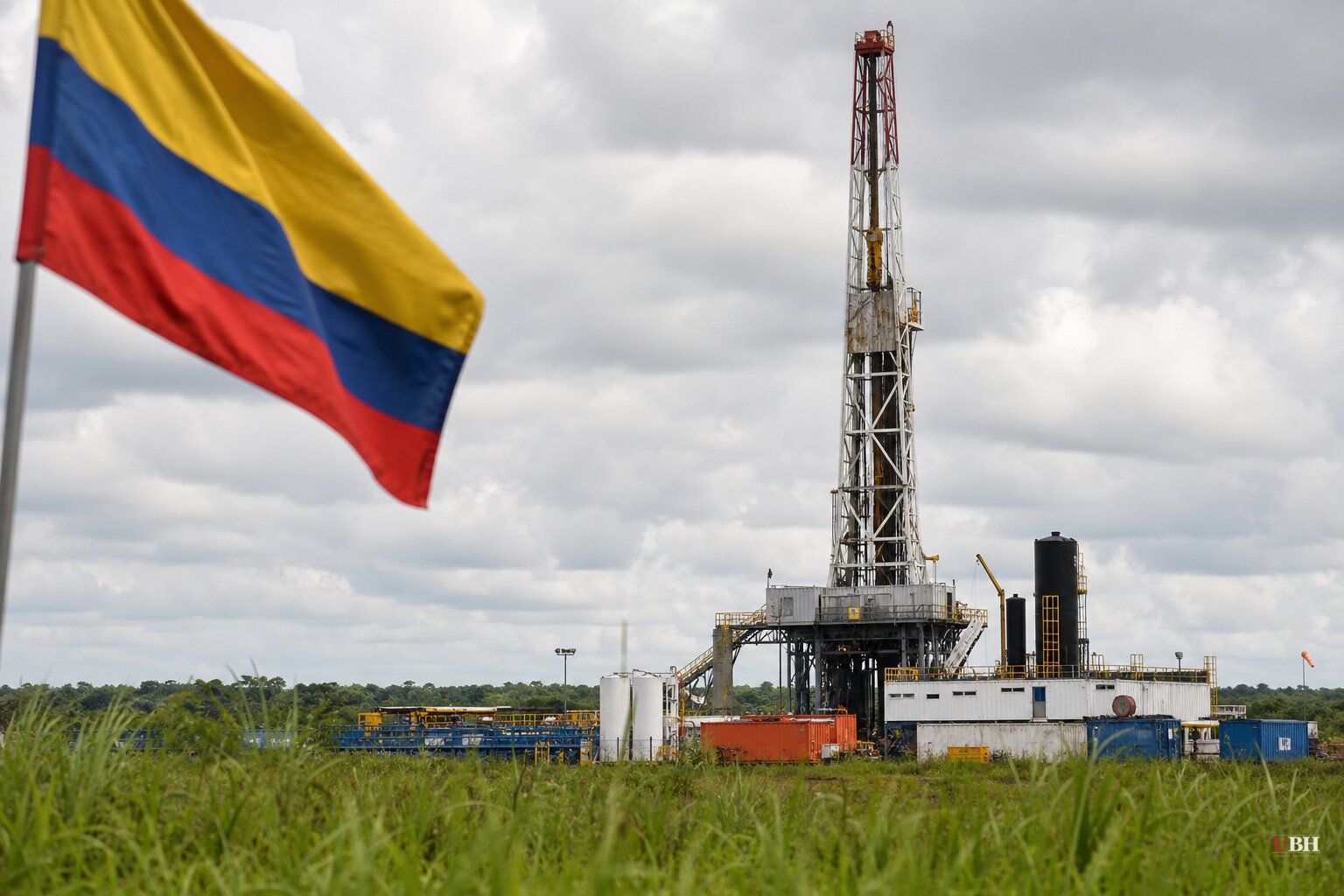
Colombia's four-year experiment in banning new oil and gas exploration is ending. President Abelardo de la Espriella, who took office promising to do "all the fracking possible," is moving to reverse the ban his predecessor Gustavo Petro imposed, according to reporting from OilPrice.com that cites Reuters.
The numbers explain why. Colombia still got 75% of its energy from fossil fuels as of 2024, according to OilPrice.com, even after Petro spent four years trying to position the country as a leader in the green energy transition. Companies are reportedly ready to inject up to $4 billion into Colombia's oil and gas sector over the next four years if the ban comes off, OilPrice.com reported.
That's the upside. The problem is getting there.
A Congress That Won't Cooperate
Colombia's Congress remains divided, which complicates any legislative fix to fracking rules, royalty structures, tax policy, and permitting, according to OilPrice.com. De la Espriella may try to bypass lawmakers entirely by using executive decrees to speed up permitting, but that route invites legal challenges that could tie up projects in court for years.
Luz Stella Murgas, president of Colombia's natural gas association Naturgas, told Reuters the government needs to "unblock all the bottlenecks that are closely tied to prior consultations, administrative decisions and delays in environmental licensing." That's bureaucratic language for: the paperwork alone could kill the momentum before a single new well gets drilled.
The new administration has already started acting unilaterally. According to BN Americas, which published its report on August 19, 2026, Colombia's government has reversed a reserve zone that Petro's outgoing administration finalized on its way out of office. It's an early signal De la Espriella intends to use every executive tool available rather than wait on Congress.
Money Doesn't Show Up Just Because You Ask
Lifting a ban doesn't guarantee investors write checks. Political risk analyst Sergio Guzmán told the outlet Semafor that "it's not an on and off button," and that investors want "long-term fiscal certainty" before committing capital.
Frank Pearl, president of the Colombian Petroleum Association, put it bluntly: "The measures have to be comprehensive, aggressive and swift. If one of the key variables is missing from the investment environment, it will not work."
Security is the variable nobody wants to talk about openly. Colombia's oil infrastructure suffered 580 attacks and blockades in 2025, according to data cited by OilPrice.com and reported by ua.news. Analysts quoted in that same reporting warn that a government crackdown on armed groups could actually trigger a fresh wave of attacks on pipelines and facilities, not calm things down. Communities opposed to fossil fuel extraction in their regions add another layer of risk that foreign capital tends to price in fast.
Petro's fracking ban and exploration freeze were sold as climate leadership. They also left Colombia dependent on imported fuel while producing almost nothing new domestically. Voters answered by electing a president who ran explicitly on reversing it. That's the outcome of an actual election.
Venezuela's Parallel Bet
Colombia isn't the only country in the region where oil policy just flipped hard toward foreign capital. According to Fox News, the Trump administration last week announced an oil partnership tied to Venezuela, negotiated by Secretary of State Marco Rubio and Secretary of War Pete Hegseth. Venezuelan Vice President Delcy Rodríguez confirmed the deal covers 17 fields holding more than 65 billion barrels, with a production target above 1.5 million barrels a day and more than $100 billion in private investment, Fox News reported. Vice President JD Vance said the U.S. is already seeing a surge in Venezuelan oil production tied to the agreement.
Fox News framed the deal as a strategic win against decades of Cuban, Russian, and Chinese influence over Venezuelan oil revenue, and noted that critics on the left call it colonialism while some Chavistas call it betrayal and parts of the opposition question its legitimacy given the circumstances under which it was signed. Those objections are real and unresolved. No independent verification of the deal's final legal status, its duration, or how a future Venezuelan government might treat it appears in the available reporting.
Both stories point the same direction: governments elected or negotiating after years of state control over energy are moving fast to hand it back to private capital. Whether Colombia's Congress lets De la Espriella move that fast, and whether investors actually show up once the paperwork clears, is the open question that will decide if $4 billion becomes a real number or just a projection.
Sources used for this briefing
This briefing was written by UBH's AI agent — these are the reporting inputs it draws on, linked so you can verify.


