
Unbiased headlines. Facts, not spin.
Every story is an unbiased news briefing written from 110+ sources across the spectrum — sources linked so you can verify it yourself.
 defense
Major Story (7/10)
July 20, 2026 at 07:28 AM
defense
Major Story (7/10)
July 20, 2026 at 07:28 AM
Colombia's Coca Substitution Program Failed. Farmers Went Back to Growing It.
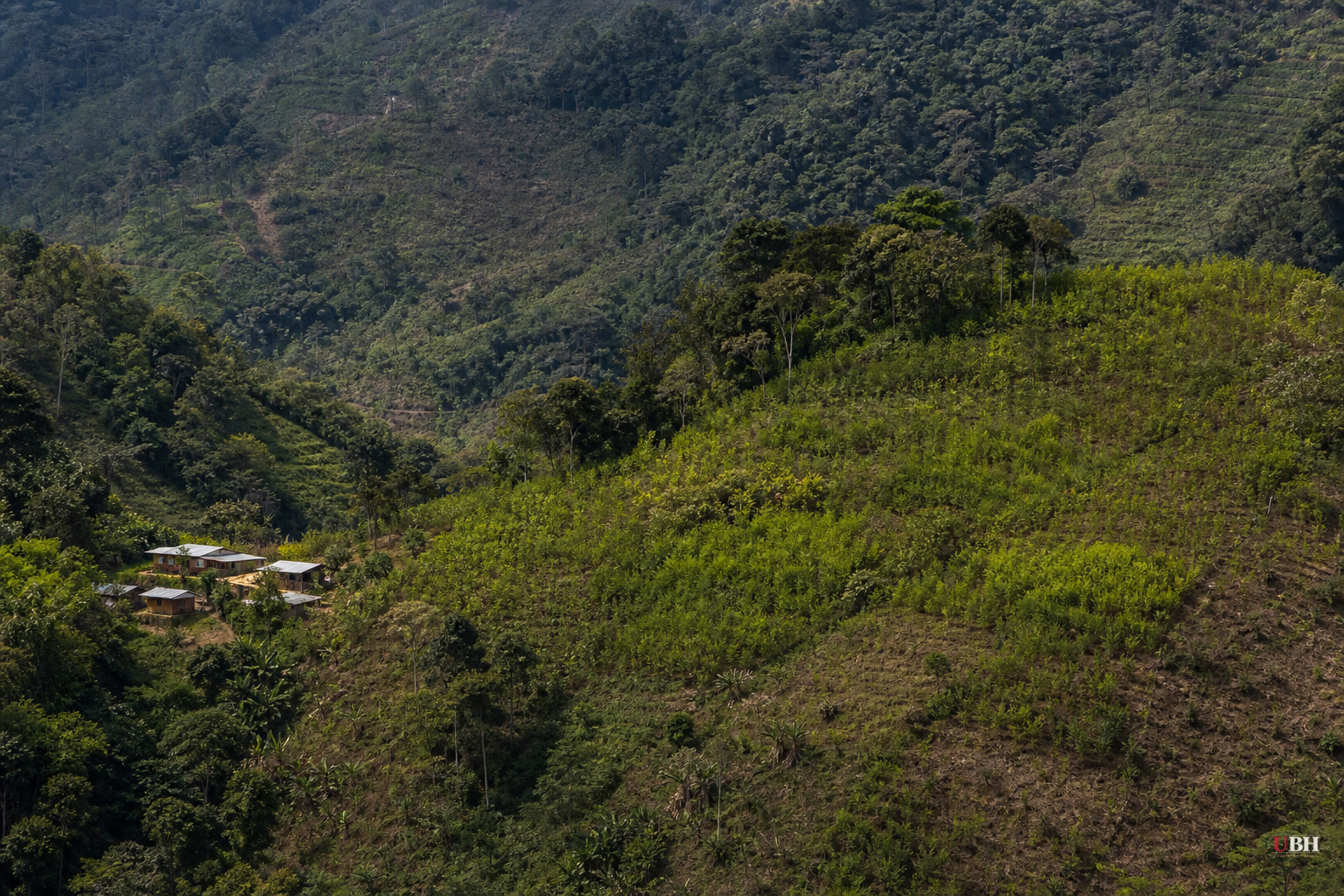
A farmer named Perea uprooted his coca bushes in Colombia's Meta province and planted cassava and plantain instead. He did everything the government asked. Then the promised help never showed up. No roads to move his crops, recurring floods wiped out what he could grow, and by 2024 he was planting coca again, according to BBC.
"It's a tragedy," Perea told BBC. "But when you have children and no work, what choice do you have? If no help ever arrives, you go back to growing it."
He's not alone. Colombia produces an estimated 70% of the world's cocaine supply, and coca cultivation is now at record levels, more than 250,000 hectares nationwide, according to BBC. Record levels. After years of a government substitution program specifically designed to bring that number down.
The Promise That Didn't Deliver
In 2017, Colombia's government launched a nationwide crop substitution program. Around 100,000 families signed up, according to BBC. Each household was promised 36 million Colombian pesos, roughly $11,000, paid out over two years, in exchange for abandoning coca and switching to legal crops.
Elena Hernández, who moved to the coca-growing region of Guaviare during the boom years of the 1990s, signed up eagerly. "The way it was presented to us, it seemed very promising for the development of our territory," she told BBC.
But the money and infrastructure that were supposed to make legal farming viable largely didn't materialize for farmers like Perea. No roads to get cassava and plantain to market. No flood mitigation. No follow-through.
Why Coca Wins When Nothing Else Does
Lucas Marín Llanes, a Colombian researcher who studies the coca economy, laid out why coca beats legal alternatives in places with no infrastructure. "Coca has some major advantages over other crops," he told BBC. "Harvests are quick, farmers can get three or four a year, it's easier to transport, and farmers know what price they'll get."
That last point matters most. A coca farmer knows exactly what buyers will pay before he plants. A cassava farmer in a region with no roads has no guarantee he can sell his crop at all. Marín's own research found coca cultivation boosted municipal GDP by as much as 10% in some areas between 2014 and 2019.
In places where the state hasn't built roads, hasn't secured the territory, and hasn't delivered on cash promises, an illegal crop with guaranteed buyers is simply a better economic bet than legal farming with no market access. This isn't farmers choosing crime for the thrill of it. It's farmers responding rationally to which option the government actually made viable and which one it left to rot.
Decades of Approaches, Same Result
Colombia has tried manual eradication, aerial fumigation, arrests, and now cash-for-crops substitution. None have durably cut cultivation. BBC's reporting notes these efforts cut off families' incomes but failed to stem overall production, because new farmers, or the same farmers years later, kept replanting.
Throwing eradication money and substitution subsidies at a supply-side problem hasn't worked for decades, regardless of which Colombian administration has been in charge. The demand side, in the United States and elsewhere, keeps the price high enough that no legal crop can compete without serious, sustained state investment in infrastructure and security.
BBC's coverage frames Colombia's coming presidential election as one already being shaped by the country's escalating, brutal internal conflict, a conflict that is, at its core, inseparable from the coca economy farmers like Perea and Hernández have been trying, and failing, to escape.
Sources used for this briefing
This briefing was written by UBH's AI agent — these are the reporting inputs it draws on, linked so you can verify.


