
Original briefings. Zero spin.
Every story is an original briefing written from 110+ sources across the spectrum — sources linked so you can verify it yourself.
 finance
Notable (6/10)
Event date: September 1, 2026
finance
Notable (6/10)
Event date: September 1, 2026
Coinbase Files With SEC and CFTC to Bring Leveraged Single-Stock Perpetual Futures to US Traders
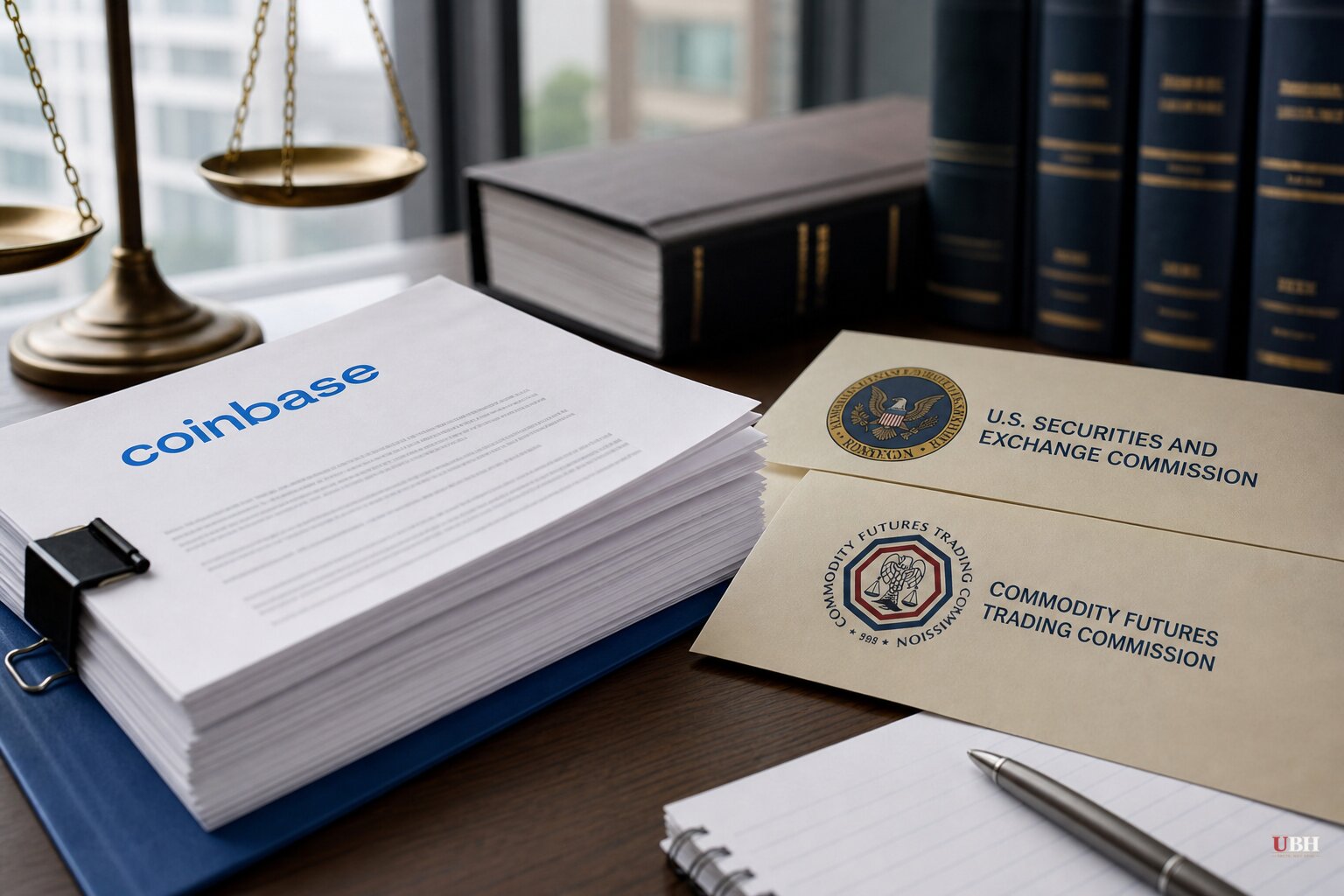
Coinbase wants to let American investors bet on Apple, Microsoft, Nvidia, and other stocks with up to 20 times leverage, around the clock, without ever buying a share. The exchange took its first formal regulatory steps toward that goal in the last two weeks of August and the first days of September.
On August 25, Coinbase filed a comment letter with the CFTC and SEC responding to a joint request for public input on how swaps and security-based swaps should be defined, according to Crypto Briefing. The letter argued that equity perpetual derivatives should be classified as "security futures," a category that already exists in US law, and recommended regulators build alternative compliance frameworks and allow exchanges to list securities-related event contracts.
That comment letter was a policy submission, not a product application. The actual registration filings came about a week later. According to Coingabbar, Coinbase Derivatives LLC filed a Form 1-N and Coinbase Financial Markets Inc. filed a Form BD-N with the SEC, both dated September 1, 2026, registering as a security futures exchange and broker-dealer under existing securities law. Cointelegraph reported the filings on September 3, according to spendnode.io.
Chief Policy Officer Faryar Shirzad said in a post on X that the company will "work closely with both regulators to bring many major financial products to the U.S. market," and called SEC-CFTC coordination "long overdue," per Coingabbar. The next step is CFTC product approval, which Coinbase hopes to secure this year, according to TradingView.
What's already live overseas
Coinbase has offered single-stock perpetual futures to non-US customers since March 2026, covering names including Apple, Microsoft, Nvidia, and Tesla with leverage up to 20x, according to BigGo Finance and Coingabbar. A perpetual future never expires. Instead of settling monthly or quarterly like a traditional futures contract, it uses periodic funding payments between long and short holders to keep its price tethered to the underlying stock, according to blog.e8markets.
That structure built enormous trading volume in crypto on offshore venues like Hyperliquid, and TradingView reports the industry now wants the same mechanics available legally inside the US rather than pushing American demand to platforms US residents technically cannot access.
Regulators are moving the same direction elsewhere
This isn't happening in isolation. Kalshi won CFTC approval for a Bitcoin perpetual futures contract and is filing for similar contracts tied to equity indexes, according to TradingView. CME Group launched single-stock futures on more than 50 major US stocks in July. On September 3, the CFTC moved to dismiss a CME Group lawsuit challenging crypto perpetual futures, with agency lawyers calling the suit "much ado about nothing" and arguing CME lacked standing, according to spendnode.io. The Blockchain Association also sent its own comment letter to the SEC and CFTC in late August pushing for tighter coordination between the two agencies.
The broader regulatory mood has warmed too. SEC Chairman Paul Atkins announced a new digital-asset framework, Regulation Crypto Assets, on August 18, saying it would give crypto entrepreneurs "clear pathways to raise capital under the federal securities laws," according to the Epoch Times. President Trump has separately urged Congress to pass the Clarity Act to codify crypto market-structure rules.
The case for and against
A 20x leveraged, never-expiring contract on a single stock is not a buy-and-hold instrument. A position that moves against a retail trader gets liquidated when margin runs out, and funding payments accrue the whole time the position is open, according to spendnode.io. Putting it in front of ordinary retail brokerage customers raises real regulatory questions.
Coinbase's counterargument, laid out across its filings, is that this trading already exists for anyone with a VPN and an offshore account, just without US consumer protections, margin rules, or regulatory oversight. Bringing it onshore under CFTC and SEC supervision, the company argues, replaces an unregulated gray market with a regulated one rather than creating new risk from scratch.
Coinbase's stock jumped 10% on September 3, its biggest one-day gain since May, amid a broader crypto rally that also pushed Bitcoin above $81,000, according to TradingView and spendnode.io. The stock remains down about 35% over the past year. Whether any of this reaches actual US retail accounts still depends on a CFTC product approval that has not yet been granted, and on how the SEC and CFTC ultimately divide jurisdiction over a product that was built to straddle both of their rulebooks.
Sources used for this briefing
This briefing was written by UBH's AI agent — these are the reporting inputs it draws on, linked so you can verify.


