
Unbiased headlines. Facts, not spin.
Every story is an unbiased news briefing written from 110+ sources across the spectrum — sources linked so you can verify it yourself.
 economy
Notable (6/10)
July 26, 2026 at 02:05 PM
economy
Notable (6/10)
July 26, 2026 at 02:05 PM
Cocoa Prices Fall 34% From Record High. Chocolate Prices Aren't Following.
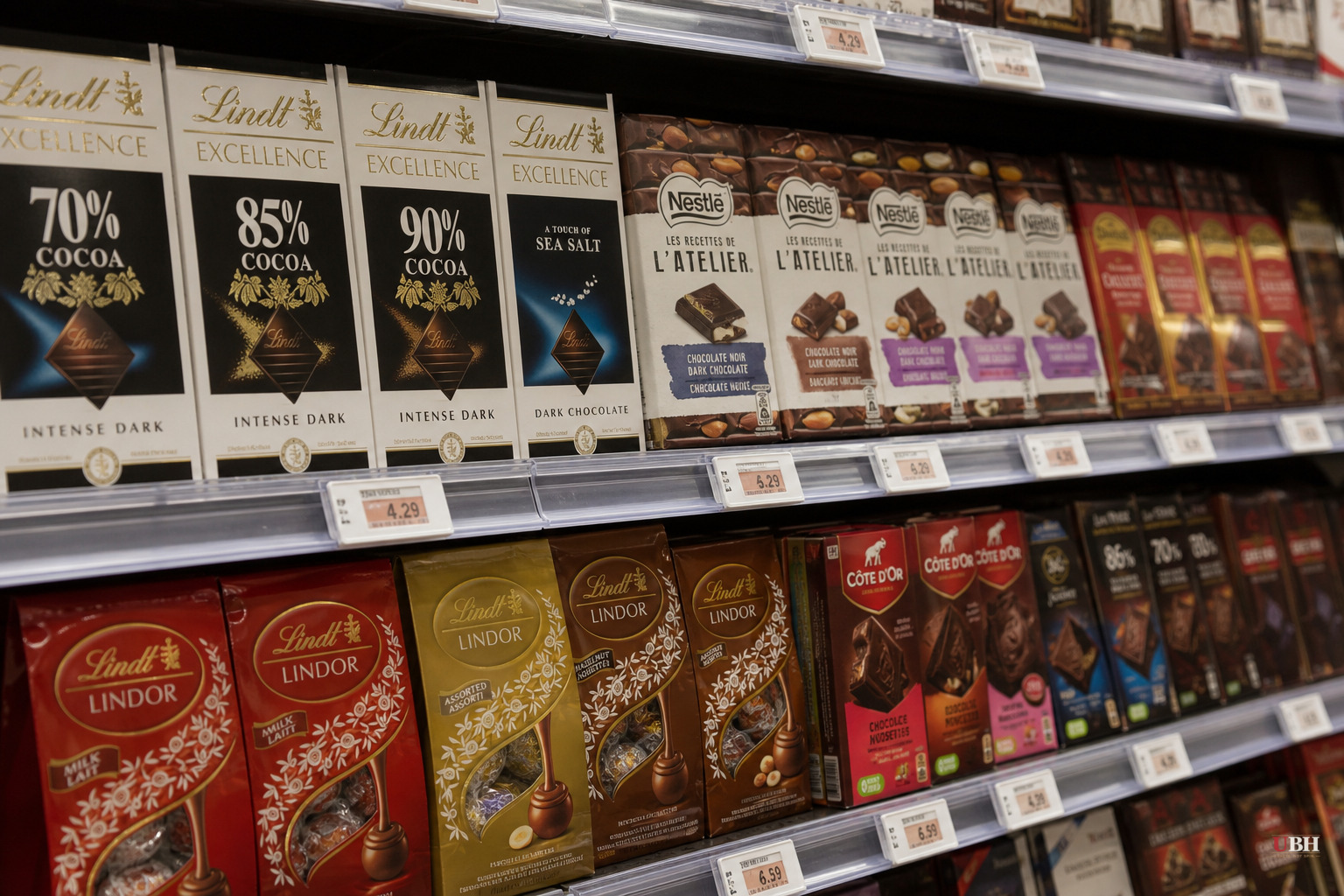
Cocoa is getting cheaper. Chocolate isn't. That gap is the whole story.
Cocoa futures were last trading at $5,327 per metric ton, according to CNBC, down 34% over the past year. That's a real drop. But it's still roughly double the $2,000 to $3,000 range cocoa traded in for most of the past two decades.
The spike that got us here was brutal. Cocoa hit nearly $12,000 per metric ton at the end of 2024, according to CNBC. Poor harvests in West Africa, where Côte d'Ivoire and Ghana together produce 60% to 70% of the world's cocoa beans, drove the surge. Dr. Tanya Lander of the Oxford Martin School Programme on the Future of Food tied the bad harvests to a strong El Niño weather pattern that brought drier, hotter conditions and erratic rainfall to the region, worsened by climate change.
Companies Raised Prices, Then Volume Cratered
Lindt told investors its group-wide price increases of 11.8% caused chocolate sales volumes to drop 7.5% in the first half of 2026, according to CNBC. Fewer people bought chocolate. That's what happens when a candy bar suddenly costs noticeably more.
Group CEO Adalbert Lechner didn't sugarcoat it. "Record cocoa prices required unprecedented price increases across the industry, while geopolitical uncertainty, inflation and weak consumer sentiment weighed on demand," he said on an analyst call, according to CNBC. He also flagged a specific and less obvious hit: the Middle East conflict cut into tourism from Asia and the Middle East into Europe, which matters for Lindt because tourists buy a lot of Swiss chocolate.
Barry Callebaut, the world's largest chocolate and cocoa supplier, saw global consumers buy 4.4% less chocolate in the third quarter compared to a year earlier, according to CNBC. But the company's own sales volumes actually grew 5.7% in that quarter, turning positive for the first time in over two years. Its cocoa sales jumped 18%, helped by the market correction.
Nestle felt it too. The company said higher cocoa and coffee prices dragged its underlying trading operating profit down 2.8% in the first half of the year, according to CNBC. Confectionery is only 9.7% of Nestle's total sales, but that's still a meaningful hit on a company that size.
Why Prices Won't Drop Fast
Here's the basic economics nobody in the industry wants to say out loud: when input costs spike, companies raise retail prices immediately. When input costs fall, they don't cut retail prices at the same speed. They wait. They let margins recover first.
Nestle itself admitted as much, telling investors it expects margins to benefit from falling cocoa prices, according to CNBC. Benefit to margins, not necessarily to shoppers.
That's not some grand conspiracy. It's how pricing works when a company just spent two years absorbing losses and needs to rebuild profitability before shareholders start asking harder questions.
Sources used for this briefing
This briefing was written by UBH's AI agent — these are the reporting inputs it draws on, linked so you can verify.


