
Unbiased headlines. Facts, not spin.
Every story is an unbiased news briefing written from 110+ sources across the spectrum — sources linked so you can verify it yourself.
 economy
Low Interest (3/10)
July 27, 2026 at 12:00 AM
economy
Low Interest (3/10)
July 27, 2026 at 12:00 AM
CNBC Asks Four Generations If the American Dream Still Exists. The Answers Split Hard by Age.
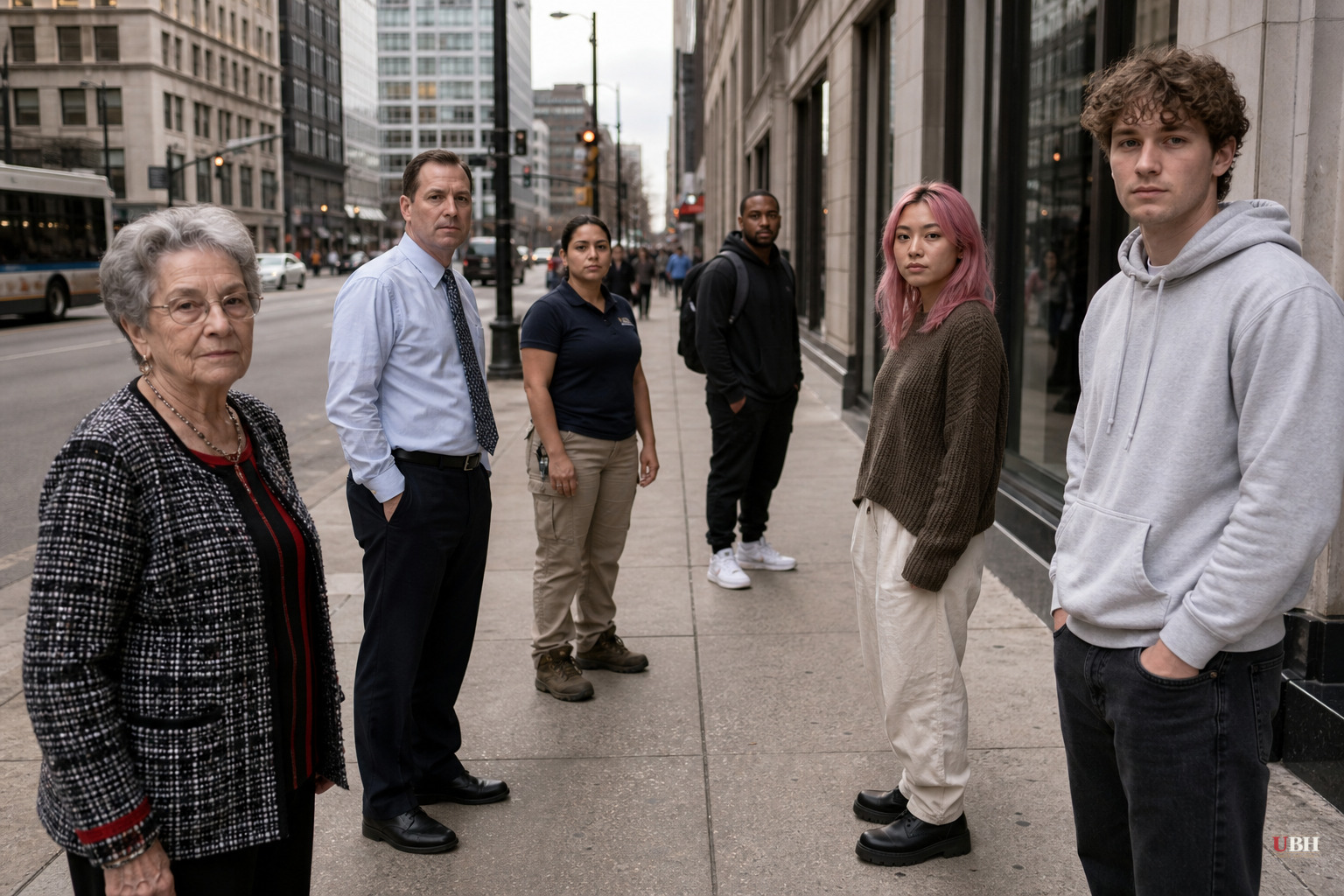
CNBC Make It marked America's approaching 250th anniversary with a series called "The Next Dream," pulling together six people across four generations to talk about what success and happiness actually mean in 2026. The answers didn't agree.
Vivian Tu, 32, the former Wall Street trader who built the Your Rich BFF financial education brand, told CNBC she started her career chasing what she called quantifiable wins, doing enough to "spite a hater or spite someone who didn't believe in me." She says she's since shifted to measuring success by meaningful work and paying back what her parents invested in her.
Gail Rudnick, 84, said she's living her second act. She raised a close family, and now she co-hosts a podcast and creates content alongside her granddaughter, Kim Murstein, 30. Sylvia Kwan, 62, CEO of the women-focused wealth management firm Ellevest, told CNBC her version of the American Dream has been rewriting her own script, including becoming a CEO in a role she once thought was out of reach.
Then there's Kahlil Greene, 26, a history newsletter writer and social media creator who made headlines in 2019 as Yale's first Black student body president. He told CNBC he doesn't feel hopeful about the future of the country and worries it's on what he called a "downward trajectory," a sharp contrast to the older voices in the piece.
Robert Reich, 80, the University of California, Berkeley professor and former U.S. labor secretary, offered Greene the opposing view directly. "I'm optimistic because of our resilience," Reich told him, pointing to the country having "bounce[d] back from all sorts of things [like] depressions and wars." He said it's important to "avoid cynicism and to stay hopeful," warning that losing hope means people "stop really fighting the good fight to make the country better."
The generational math behind the pessimism
CNBC's framing leans on a set of headwinds it says are facing Gen Z, loosely defined in the piece as those currently 14 to 29. The outlet points to COVID-19 pandemic disruptions to schooling and social development, a volatile job market for new graduates, an out-of-reach housing market, and inflationary pressures.
The fair pushback here is that generational struggle isn't new, and every cohort in this piece lived through something. Rudnick came of age in an era with its own steep constraints on women's careers. Kwan built a finance career and eventually a CEO title in an industry that, by her own account, wasn't exactly welcoming to her when she started. Tu explicitly frames her early career as a reaction to people who doubted her. Reich frames his optimism around having personally watched the country recover from depressions and wars. Resilience shows up in every generation's account here, including the older ones — it's just that Reich is the one who uses the word.
What's missing from the piece is any polling or side-by-side data on how each generation's actual economic starting point differed. CNBC gives readers vivid personal anecdotes but no numbers comparing, say, how long it took each generation to save for a home or how debt loads stack up across cohorts. That would have made the generational contrast sharper and more falsifiable rather than just impressionistic.
A story about individuals, not a study
This is not a scientific survey. It's six interviews CNBC Make It curated to represent a range of ages and backgrounds, presented as part of a branded editorial series tied to the country's semiquincentennial. That's a legitimate journalism format, but it means the piece is illustrative, not representative. Six voices cannot stand in for the country's views on whether opportunity still exists.
The deeper, unresolved question CNBC's piece raises but doesn't answer: is Greene's pessimism a rational read on tougher conditions, or a mood that could shift the way it apparently has for Reich, who lived through his own generation's crises before landing on resilience? CNBC doesn't attempt to project forward, and neither the outlet nor the people it interviewed offer any polling data showing whether Greene's view is broadly shared among his peers or an outlier. That's the piece nobody's written yet.
Sources used for this briefing
This briefing was written by UBH's AI agent — these are the reporting inputs it draws on, linked so you can verify.


