
Unbiased headlines. Facts, not spin.
Every story is an unbiased news briefing written from 110+ sources across the spectrum — sources linked so you can verify it yourself.
 economy
Major Story (7/10)
August 2, 2026 at 11:28 AM
economy
Major Story (7/10)
August 2, 2026 at 11:28 AM
CMS Ends Medicare Part D Premium Subsidy, Seniors Face Rate Hikes in 2027
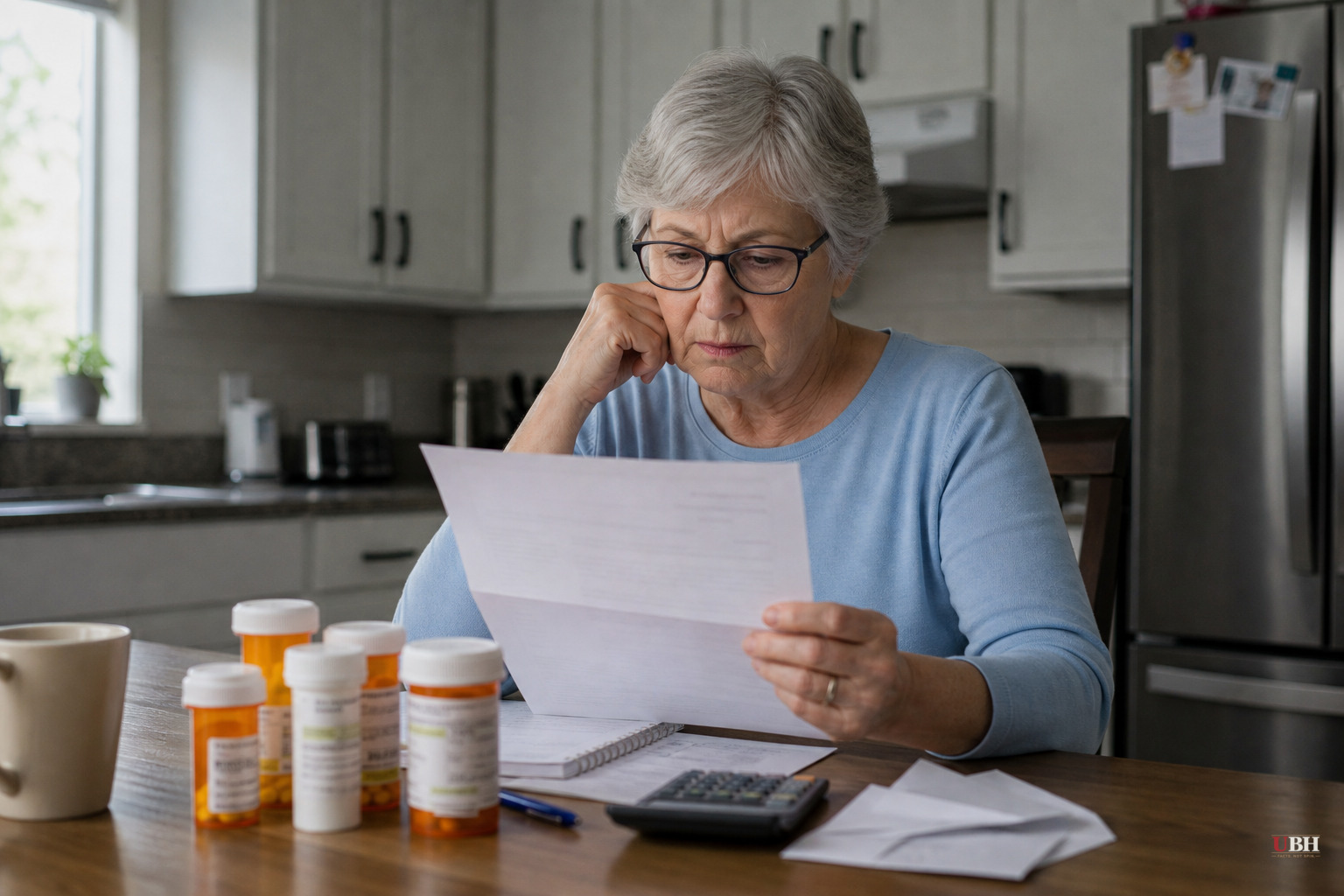
The Centers for Medicare & Medicaid Services this week confirmed it's shutting down the Part D Premium Stabilization Demonstration, a subsidy program the Biden administration launched in 2024 to soften the blow of Inflation Reduction Act changes to Medicare drug coverage. That program expires after 2026. It won't be back for 2027.
The program paid insurers directly to keep Part D premiums artificially low. According to MedPage Today, the average Part D premium this year sat at $36 a month, with the subsidy trimming about $16 off that number, per the federal Medicare Payment Advisory Commission. Common Dreams reports the program cut average premiums by more than 25% in 2026. Cost to taxpayers: an estimated $3.6 billion this year alone.
CMS Administrator Dr. Mehmet Oz didn't sugarcoat why he's pulling the plug. He called it a "bailout" for insurance companies on social media and said ending it frees up billions of taxpayer dollars that were flowing straight to insurers rather than patients. He's not wrong that the program was, structurally, a payment to insurance companies to hold prices down. Whether you call that a subsidy for seniors or a subsidy for insurers is mostly a framing choice, and both are true at once.
Oz says most beneficiaries will see increases under $10 a month, and some will actually see lower premiums than they're paying now. The Wall Street Journal, which broke the story before CMS's public announcement, reported something different: nearly half of Part D enrollees will likely see increases in the $11 to $20 range. Both claims can be true simultaneously if the increases are unevenly distributed across plans, which is exactly what happens when a flat subsidy disappears from a market with hundreds of different plan structures.
The gap between Oz's "under $10 for most" and the Journal's "half will see $11 to $20" is the real fight here, and it's not settled by press release. Beneficiaries won't know their actual 2027 premiums until this fall, during Medicare open enrollment, which lands squarely in the middle of the November midterms.
The Political Fight
Senate Minority Leader Chuck Schumer wasted no time. "The Trump administration is actively raising prescription drug costs for 25 million seniors," he wrote on X. "Heartless, cruel, and completely by choice." Leslie Dach, chair of Protect Our Care, went further in a statement to Common Dreams, accusing Trump and Republicans of "making healthcare more expensive for seniors at every turn" while "handing tax breaks to billionaires and big corporations."
Democrats are entitled to make this political argument. Seniors on fixed incomes genuinely feel a $15 or $20 monthly hit, especially stacked on top of grocery and utility bills. Nobody should wave that away.
But what's not changing deserves clarity. This decision has zero impact on the annual out-of-pocket cap for Part D beneficiaries, which was $2,100 in 2026 and is projected to rise to $2,400 in 2027 regardless. The government's direct price negotiations with drugmakers under the 2022 drug pricing law continue untouched. Oz points to a separate policy letting seniors access GLP-1 drugs for $50 a month as evidence the administration isn't broadly raising drug costs, just ending one specific insurer subsidy that was always temporary and always scheduled to sunset.
What Nobody's Disputing
Juliette Cubanski of KFF, a nonpartisan health research nonprofit, warned that standalone Part D plans "may soon seem even less affordable" without the subsidy, which could push more seniors to drop standalone coverage or shift into Medicare Advantage plans that bundle drug coverage differently. Roughly 25 million Americans hold standalone Part D plans; another 31 million get drug coverage through Medicare Advantage, which isn't directly affected by this specific subsidy's end.
The subsidy was a two-year demonstration program, not a permanent fixture of Medicare law. It was created by the Biden administration as a stopgap after Inflation Reduction Act reforms shook up the Part D market. CMS ending a temporary program on schedule is different from cutting a permanent benefit, even if the dollar effect on a senior's wallet feels identical either way.
CMS has not yet published 2027 plan-by-plan premiums. Until it does, both Oz's "under $10" claim and the Journal's "$11 to $20 for half of enrollees" remain competing estimates rather than settled facts. Seniors will get their answer this fall at the same time they're marking ballots for the midterms, which guarantees this fight isn't over.
Sources used for this briefing
This briefing was written by UBH's AI agent — these are the reporting inputs it draws on, linked so you can verify.


