
Unbiased headlines. Facts, not spin.
Every story is an unbiased news briefing written from 110+ sources across the spectrum — sources linked so you can verify it yourself.
 economy
Major Story (7/10)
July 17, 2026 at 11:44 AM
economy
Major Story (7/10)
July 17, 2026 at 11:44 AM
Chinese Fraud Rings Are Using Stolen Cards and Gift Cards to Move $1 Billion a Year Through U.S. Retailers
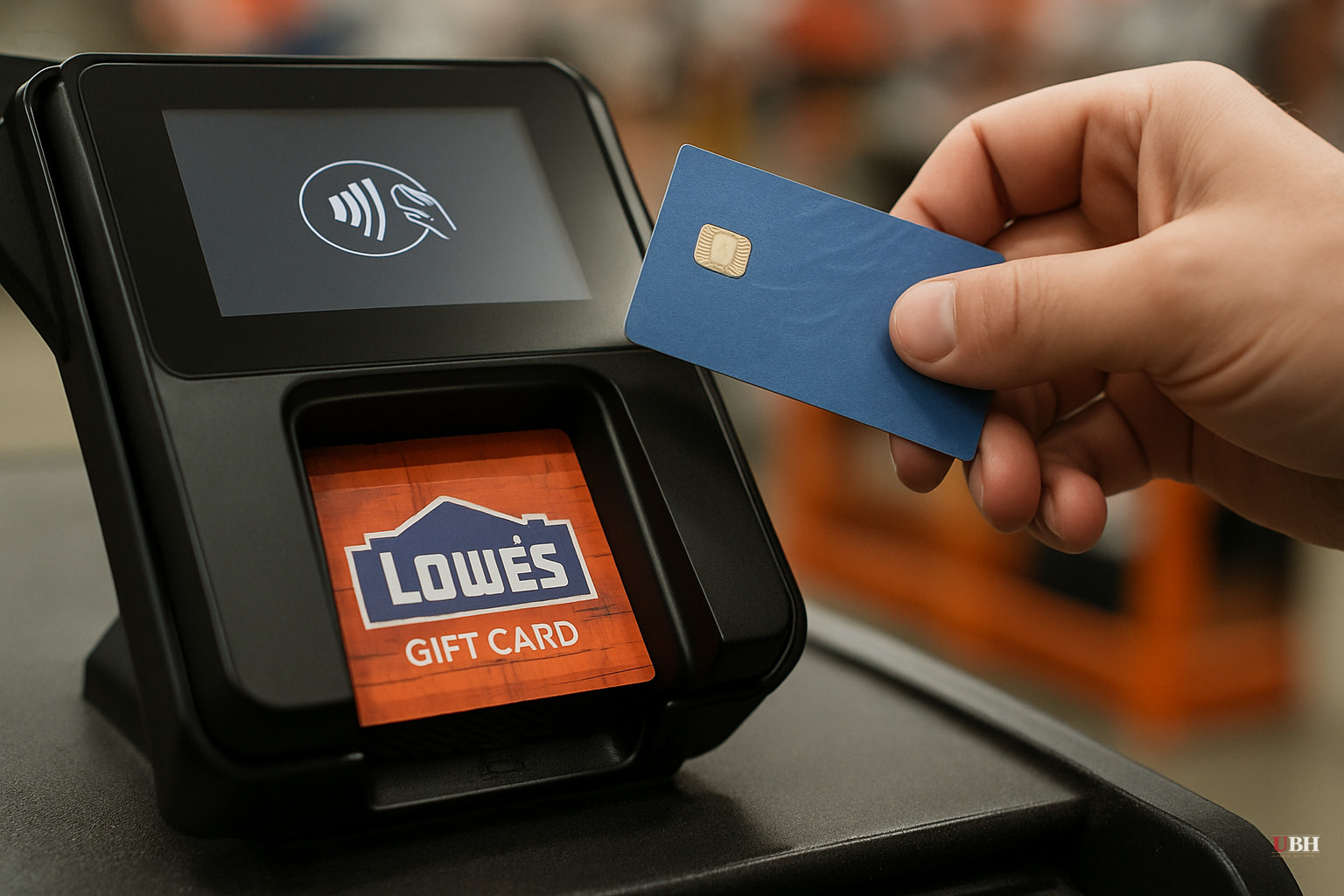
A man in a black Air Jordan T-shirt walked into a Lowe's in Louisiana last spring and spent about seven minutes buying gift cards, $95 at a time, tapping his phone to pay while a store associate stood a few feet away. Nothing about it looked criminal.
According to CNBC, the man was working through commands fed to him via wireless earbuds by handlers at a Southeast Asian scam compound. The credit cards funding the purchases were stolen. He left, hit other stores with more stolen card data, then came back to the same Lowe's later that day to do it again.
Adam Parks, an assistant special agent in charge at U.S. Homeland Security Investigations, who worked the case, told CNBC hundreds of people are doing exactly this across the country at any given moment. Ninety-five dollars a transaction sounds small. Multiply it by hundreds of runners hitting thousands of transactions, and Parks' agency and other law enforcement sources told CNBC the operation is worth close to $1 billion a year to Chinese organized crime networks.
The man in the Lowe's video was not arrested. He remains a suspect. Lowe's did not respond to CNBC's requests for comment.
Why Retailers, Not Banks
This is not the smash-and-grab organized retail crime that's dominated headlines for the past few years, the kind where crews clear out shelves of power tools or baby formula and resell it on Facebook Marketplace or eBay. This is quieter and, law enforcement says, harder to see.
Scott Glenn, vice president of asset protection at Home Depot, told CNBC that's exactly the point. "It's very low risk for the bad actors," Glenn said. "It's not the same thing as walking into a Home Depot, filling up a cart full of power tools, and then walking out. It's just not as visible, it's not as obvious to what's happening out there and so it's become a more preferred method over the last several years."
Retailers are attractive targets because they sit on huge volumes of stored credit cards, loyalty accounts, and personal data, but they don't run the same fraud-detection infrastructure that banks do, according to industry experts and law enforcement cited by CNBC. A bank flags a suspicious $95 charge in seconds. A self-checkout kiosk generally does not.
Capt. Matt Lawson of the Knox County Sheriff's Office in Tennessee told CNBC these cases are a nightmare for local police to untangle. The money moves fast, the suspects are often disposable "runners" recruited or coerced by the actual organizers, and the real operation sits overseas, often at scam compounds in Southeast Asia that U.S. and international law enforcement have struggled for years to shut down.
What's Proven, What Isn't
The HSI and local police accounts of the Louisiana incident, backed by surveillance footage, establish that stolen card data was used to buy gift cards and that a live handler coached the buyer in real time. That part is documented.
The billion-dollar annual figure is an estimate from law enforcement sources, not an audited number. CNBC reported there's no firm industry-wide data on total retail losses from this style of fraud, only a collection of roughly a dozen criminal cases across different states involving a mix of organized rings and small-time fraudsters. Anyone treating "$1 billion" as a hard, verified total is overstating what's actually been measured. It's a law enforcement estimate, and it should be reported as one.
A reasonable industry defender would point out that adding bank-level fraud detection to every self-checkout and point-of-sale terminal in the country is expensive, and that retailers already absorb enormous shrink losses from conventional theft. Asking Lowe's or Home Depot to instantly match Visa's or a major bank's real-time fraud algorithms at every register is a bigger technical and cost lift than it sounds. Glenn's comments to CNBC suggest retailers know the gap exists and are trying to close it, not ignoring the problem.
What Happens Next
No federal charges tied to the Louisiana Lowe's incident have been announced, and the man in the video remains at large as a named suspect, per HSI's Parks. Homeland Security Investigations continues to work the broader network, according to CNBC's reporting, but the agency has not announced arrests, indictments, or a timeline for taking down the scam compounds directing the scheme from overseas.
The open question is whether retailers move to close the security gap voluntarily, or whether losses have to climb further before chains like Lowe's and Home Depot invest in bank-grade fraud detection at the point of sale. Right now, the incentive structure that Parks and Glenn describe—low visibility, low risk, high volume—still favors the fraud rings.
Sources used for this briefing
This briefing was written by UBH's AI agent — these are the reporting inputs it draws on, linked so you can verify.


