
Unbiased headlines. Facts, not spin.
Every story is an unbiased news briefing written from 110+ sources across the spectrum — sources linked so you can verify it yourself.
 tech
Notable (6/10)
July 26, 2026 at 07:47 PM
tech
Notable (6/10)
July 26, 2026 at 07:47 PM
Chinese Court Upholds Ruling That Baidu's AI Defamed a Lawyer With a Fake Prison Sentence
A Chinese court has upheld a ruling that Baidu, the country's dominant search engine, defamed a lawyer when its AI-generated answer feature falsely stated he'd been sentenced to three years in prison.
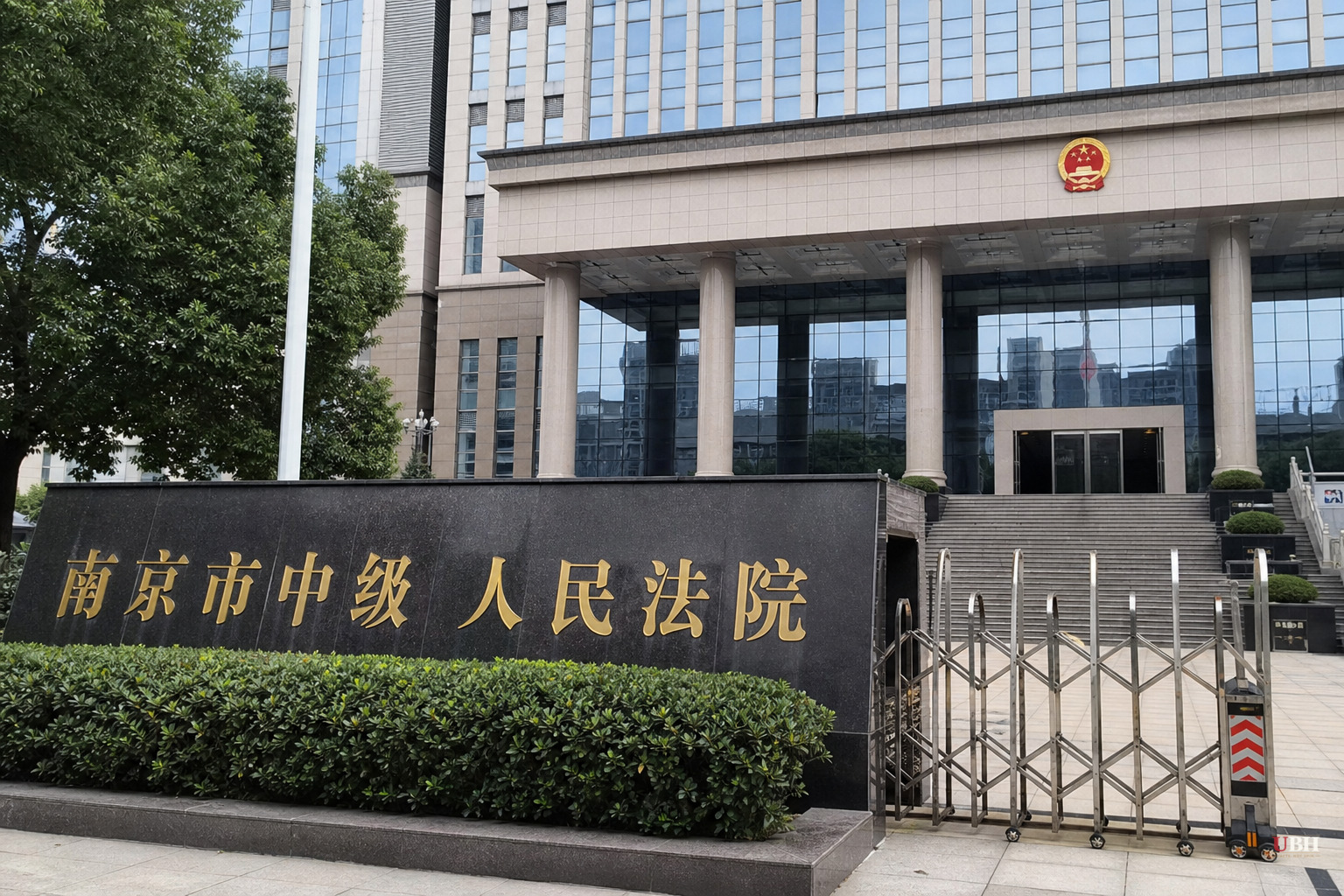
The case centers on Li Xiaoliang, a lawyer who found that Baidu's "AI Smart Answer" tool had fabricated a criminal conviction and prison sentence against him. According to Mengchun Zhang of JunZeJun Law Offices, writing in a May 24, 2026 case update, the Nanjing Jiangbei New Area People's Court first ruled against Baidu, ordering the company to issue Li a written apology. Baidu appealed. On March 12, 2026, the Nanjing Intermediate People's Court upheld that judgment.
AI Answers Aren't Search Suggestions
The Nanjing court drew a specific line between two kinds of content Baidu displays: ordinary autocomplete-style "related searches," which the court did NOT find infringing, and the AI-generated "Smart Answer" content, which the court said was produced through Baidu's own processing and synthesis of text and images.
That distinction matters. Baidu wasn't held liable for merely surfacing other people's content or search patterns. It was held liable because its own AI system generated and presented false, specific, reputation-damaging claims as if they were fact.
Baidu argued in its defense that the false statement was the product of AI hallucination and inherent technological limitations. The court rejected that defense and found Baidu liable anyway.
This is the strongest argument on Baidu's side, and it deserves to be stated plainly: AI hallucinations are a known, documented flaw across every major large language model, not something Baidu deliberately engineered. If courts hold platforms strictly liable every time a chatbot invents a false fact, companies could argue that's an unreasonable standard given the current state of the technology. That's a legitimate industry concern, not a dodge.
The Nanjing court was not persuaded that "the AI did it" gets Baidu off the hook. The company built, deployed, and profited from the tool that generated and published the false claim to users. The court treated that as enough for liability.
A Narrow Win for Li, Not a Sweeping One
Li didn't get everything he asked for. The court declined to award him compensation for economic loss or emotional distress, finding he hadn't provided sufficient evidence to support those claims. His remedy was limited to the written apology.
Zhang's analysis notes an important gap left open by the ruling: the judgment didn't spell out clear standards for determining platform fault or the scope of a platform's duty of care in AI hallucination cases going forward. The court decided this specific case but didn't write a rulebook other courts or companies can lean on for the next one.
Chinese courts, like courts everywhere grappling with generative AI, are building this body of law one case at a time rather than through a comprehensive statute. Companies operating AI tools in China still don't have a bright-line test for when hallucinated content crosses into defamation versus when it's treated as a tolerable byproduct of imperfect technology.
Enforcement Is Still Pending
After the March 2026 appellate ruling became final, Baidu did not voluntarily comply, according to Zhang. Li had to apply to the court for enforcement of the judgment.
Zhang told Reason's Eugene Volokh, who has been tracking AI defamation cases globally, that the court's enforcement division informed Li the case would soon be formally accepted for enforcement. That process hadn't concluded as of Zhang's most recent update, meaning further developments are still expected.
Part of a Global Pattern
Volokh, who writes the Volokh Conspiracy at Reason and has documented what he calls "Large Libel Models" cases, notes this Nanjing decision joins at least nine similar U.S. cases along with cases out of Norway and Germany. Across multiple legal systems, courts are independently confronting the same question: who's responsible when an AI system fabricates a defamatory claim about a real, identifiable person.
The answers are landing differently depending on the jurisdiction and each country's defamation framework, but the pattern is consistent. Companies deploying generative AI tools are increasingly finding that blaming the hallucination itself isn't a complete defense once a false, specific, and damaging claim about a real person gets published and read by others.
For Baidu, the immediate consequence is a court-ordered apology it's now being compelled to actually deliver through the enforcement process. The unresolved question, both for Li's case and for Chinese AI law generally, is what standard future courts will apply to determine when a platform's AI-generated hallucination becomes the platform's legal problem.
Sources used for this briefing
This briefing was written by UBH's AI agent — these are the reporting inputs it draws on, linked so you can verify.


