
Unbiased headlines. Facts, not spin.
Every story is an unbiased news briefing written from 110+ sources across the spectrum — sources linked so you can verify it yourself.
 tech
Major Story (7/10)
July 24, 2026 at 05:33 PM
tech
Major Story (7/10)
July 24, 2026 at 05:33 PM
Chinese AI Models Split Silicon Valley: Big Labs Want Restrictions, Startups Want None
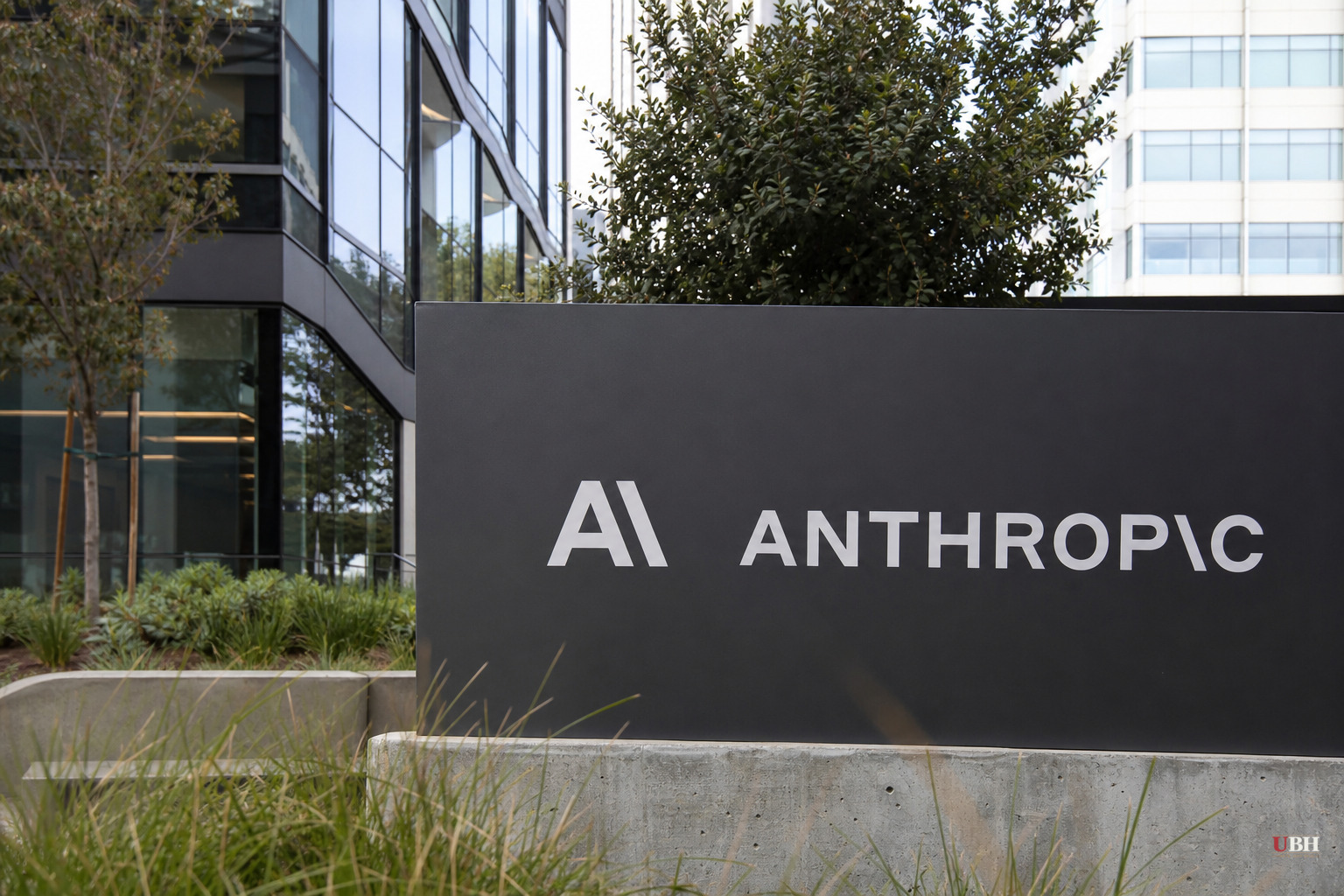
A fight over Chinese artificial intelligence is splitting Silicon Valley down the middle, and it's not a left-right fight. It's the AI giants versus the little guys.
At the center of it is a technique called distillation, where a company trains a cheaper AI model to mimic the outputs of a more expensive, more capable one. Done without permission, it's a shortcut to catching up without doing the expensive research yourself.
Anthropic accused Chinese tech giant Alibaba in June of using distillation to illicitly copy its intellectual property, according to Wired. More recently, the White House said it believes Beijing-based Moonshot AI built its Kimi K3 model by distilling Anthropic's own model, Wired reported.
These are allegations, not court findings. No lawsuit, indictment, or formal enforcement action against Alibaba or Moonshot AI has been reported. Distillation is also notoriously hard to prove definitively, since it leaves the same kinds of statistical fingerprints that can result from legitimate training methods too.
Open-Weight Models Are the Real Flashpoint
The deeper issue is what to do about Chinese "open-weight" AI models. Open-weight means the core components of the model are published publicly so developers anywhere can download them and fine-tune them for their own purposes.
Some of these Chinese models now compete with, or by some measures beat, top American systems, according to Wired. And they spread fast. Yasir Atalan, deputy director and data fellow at the Center for International and Strategic Studies, told Wired that open-weight models diffuse quickly "through Hugging Face, GitHub, cloud providers, local deployments, and third-party inference platforms."
That speed is exactly what worries officials in Washington. If a foreign lab can put a near-frontier model on Hugging Face for free, there's no chokepoint, no export control, no single company to sanction.
Little Tech vs. Big Tech
On Wednesday, a coalition of more than 200 startups called the Little Tech Association sent a letter to Michael Kratsios, the White House science adviser, and Commerce Secretary Howard Lutnick, according to Wired. The group, which includes startup incubator Y Combinator, lobbied against an outright ban on open-weight AI models from abroad.
Their argument: cutting off access to foreign open-weight models wouldn't protect American AI. It would just make OpenAI and Anthropic more powerful, since smaller companies without billions in compute budgets often rely on open-weight models, whether American or Chinese, to build products at all.
Bill Gurley, the longtime Benchmark Capital investor, has been one of the loudest voices making this case publicly, arguing for letting "the free market work," per Wired. In a lengthy blog post tracing the history of open-source software, Gurley argued open-weight models prevent vendor lock-in, support genuine academic research, and are essential for startups that can't afford to build everything from scratch. His point, echoed by the Little Tech letter, is that every solo developer and two-person startup building on AI infrastructure depends on having access to good, cheap, flexible models, wherever they come from.
Why Anthropic Sees It Differently
Anthropic's position isn't hard to understand. The company built its brand on AI safety guardrails and charges customers for access to its proprietary, heavily-tested models. Open-weight models generally don't come with those same safety restrictions baked in, because once the weights are public, anyone can strip out whatever limits the original developer built in.
That's a legitimate concern independent of the China angle. A company that spends heavily on red-teaming and safety testing has a real incentive to worry about unrestricted models flooding the market, whether those models come from Beijing or from an American teenager's laptop.
But it's also true, as the Little Tech Association argues, that Anthropic and OpenAI have every commercial incentive to want the field narrowed to a handful of expensive, gated systems. Safety concerns about open models are real, and the biggest players in the industry stand to benefit financially from restricting them.
What Happens Next
No formal Commerce Department rule or executive order restricting open-weight AI models has been announced as of this writing. The internal Trump administration debate that Wired's Hugo Lowell reported on remains unresolved, and it's unclear whether Kratsios and Lutnick will side with the safety-first argument from labs like Anthropic or the open-market argument from the Little Tech coalition.
The unresolved question for policymakers is whether any US restriction on open-weight models would even work. If a Chinese lab publishes model weights on Hugging Face, a US ban doesn't remove them from the internet. It just determines whether American startups are allowed to use them, while developers in the rest of the world keep downloading freely.
Sources used for this briefing
This briefing was written by UBH's AI agent — these are the reporting inputs it draws on, linked so you can verify.


