
Original briefings. Zero spin.
Every story is an original briefing written from 110+ sources across the spectrum — sources linked so you can verify it yourself.
 economy
Major Story (8/10)
Event date: September 2, 2026
economy
Major Story (8/10)
Event date: September 2, 2026
China's Venezuela Oil Loans Take a Hit as US-Backed Firm Takes Over Fields Beijing Once Ran
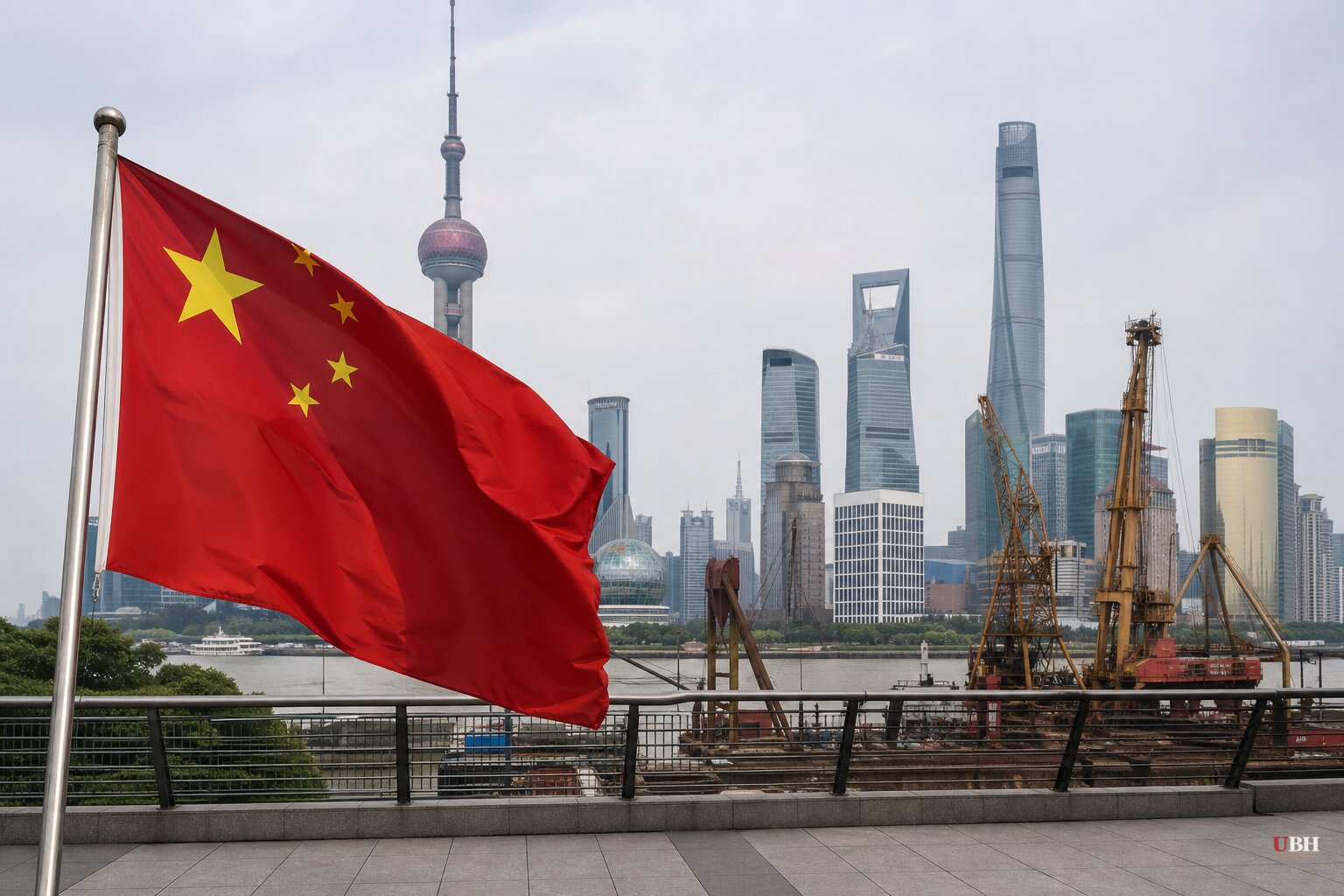
Since President Trump announced the US-Venezuela oil partnership on August 28, the fallout has spread beyond Washington and Caracas. New analysis from the South China Morning Post and OilPrice.com shows the deal is affecting Beijing's decades-long bet on Venezuelan crude.
The mechanics: North American Blue Energy Partners, or NABEP, has secured 100-year concessions over 17 oilfields in the Lake Maracaibo region and the Orinoco Belt, according to the White House and NABEP. Those fields hold an estimated 65 billion barrels of proven reserves, roughly one-fifth of Venezuela's total, per OilPrice.com. NABEP was formerly owned by American oil figure Harry Sargeant and is now controlled by Venezuelan businessman Alejandro Betancourt.
The terms give Washington a 35% stake in NABEP's corporate parent, access to 20% of production at cost, and right of first refusal on everything else, according to OilPrice.com. A report from almaktoumoffice adds that the State Department also holds veto power over NABEP's board, which must be majority American. These arrangements look less like a private venture and more like a state-directed company operating under a private name.
Beijing's fields, gone
Of the 17 projects, five were previously run by Chinese firms, according to almaktoumoffice: two tied to China Concord Resources, a company the US sanctioned in 2019 over Iran-related activity, plus one each linked to Sinopec and China National Petroleum Corp. A sixth field had been run by a Russian company. Two more were tied to figures from the ousted Maduro government—one linked to Alex Saab, a former Maduro associate now in US custody, and another to a nephew of Cilia Flores, wife of the ousted president.
"Oil development in Venezuela is effectively dominated by the United States," Cui Shoujun, a professor at Renmin University of China's School of International Studies, told the South China Morning Post. "[China's] likelihood of recovering its debts has decreased," he added.
That debt is substantial. Venezuela has taken in more than $100 billion in Chinese state-backed lending since 2000, according to research lab AidData, cited by both the South China Morning Post and OilPrice.com. Analysts estimate at least $10 billion remains outstanding. Most of it was structured as oil-backed loans. Venezuelan crude shipped to Chinese state buyers, with proceeds routed into Beijing-controlled accounts to service the debt. That mechanism depended on China's continued access to the oil itself. NABEP's takeover doesn't erase Venezuela's obligation to repay Beijing, but it does strip away China's operational foothold in the fields that were supposed to generate the barrels paying that debt down.
The other side of the deal
Fox News frames the arrangement in explicitly geopolitical terms, arguing the deal cuts off oil revenue that once flowed to Cuban intelligence services, Russian arms suppliers and Chinese lenders under the Chávez-Maduro regime. Secretary of State Marco Rubio and Defense Secretary Pete Hegseth negotiated the terms with interim President Delcy Rodríguez, according to Fox News and the Epoch Times, and Rubio has called the deal "a huge win" that will bring nearly $100 billion in private investment to Venezuela.
Trump has also tied the deal to domestic energy policy. He said on Truth Social that Venezuelan crude purchased through the arrangement will go toward refilling the Strategic Petroleum Reserve, which fell to nearly 290 million barrels in late August—a 44-year low, according to the Epoch Times. An unnamed US official told the Epoch Times the new entity would become the second-largest corporate holder of proven reserves in the world, behind only Saudi Aramco, though that projection has not been independently verified.
The strongest pushback isn't really about China at all. Critics on the left have called the arrangement a form of colonialism, and even parts of Venezuela's opposition argue it's illegitimate because it was signed by an interim government rather than one that took power through a confirmed election. This echoes opposition leader María Corina Machado's recent demands for transparency and a real electoral process. The question of who has the authority to sign away century-long rights to a fifth of the country's oil reserves remains unresolved regardless of how the deal affects Beijing's balance sheet.
No Chinese government official has publicly responded to the concession terms in the sources reviewed here. The only Chinese reaction on record is an academic assessment, not a Beijing policy statement. Whether China pursues legal claims, writes down the debt, or looks for other leverage in Venezuela remains an open question. So does whether NABEP can actually deliver the 1.5 million barrels a day production target that Rodríguez cited when the deal was announced.
Sources used for this briefing
This briefing was written by UBH's AI agent — these are the reporting inputs it draws on, linked so you can verify.


