
Original briefings. Zero spin.
Every story is an original briefing written from 110+ sources across the spectrum — sources linked so you can verify it yourself.
 economy
Major Story (8/10)
September 4, 2026 at 12:27 AM
economy
Major Story (8/10)
September 4, 2026 at 12:27 AM
Volkswagen Board Approves 100,000 Job Cuts Under 'Future Plan 2030,' Four German Plants' Futures Left Uncertain
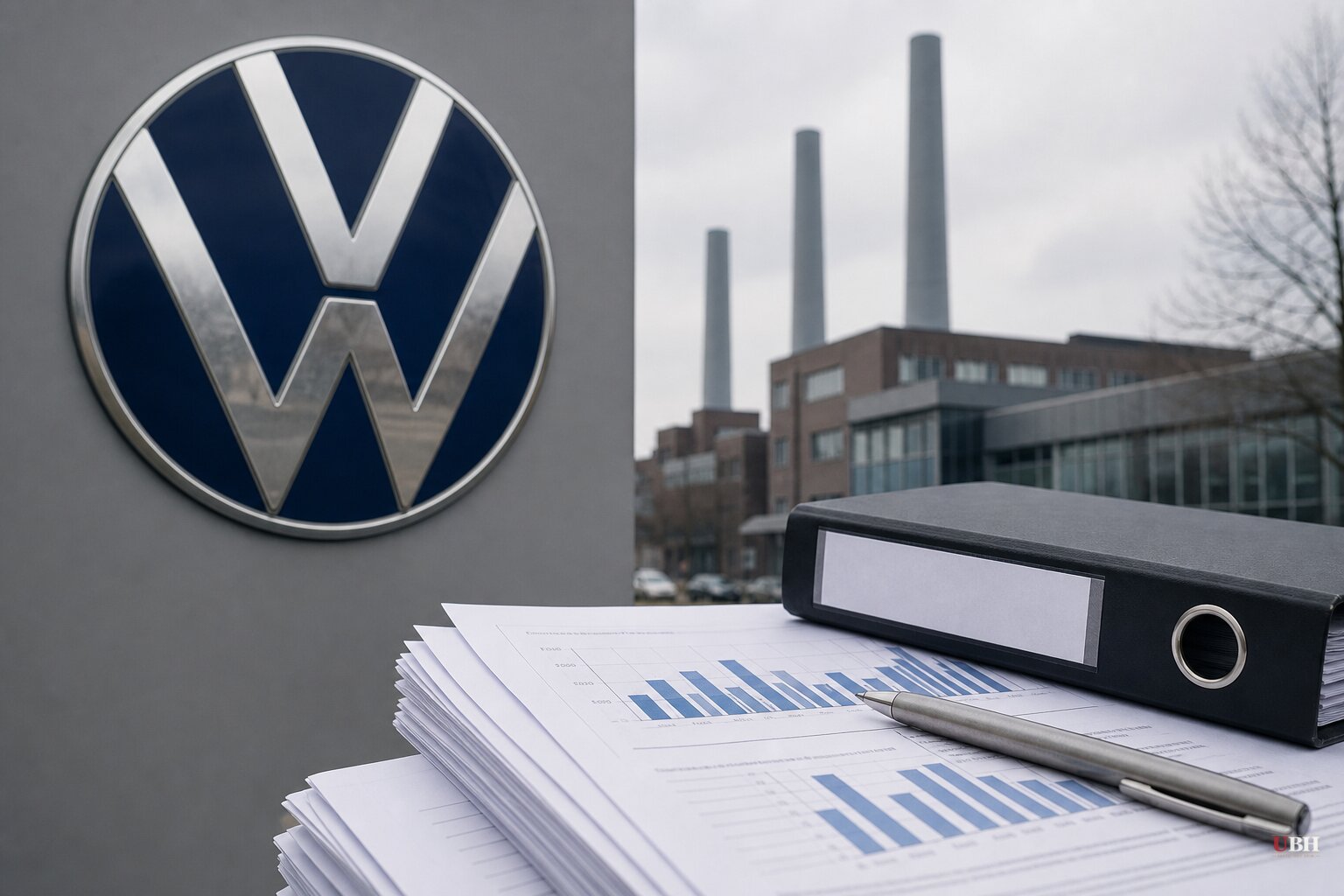
One day after Volkswagen got dropped from the Euro Stoxx 50 index, its supervisory board unanimously approved the details behind the company's biggest restructuring ever: 100,000 job cuts by 2030, four German plants with no guaranteed future, and a model lineup cut in half.
The board signed off on what Volkswagen is calling "Future Plan 2030" on Thursday, September 3. CEO Oliver Blume called it "a strong signal for the future of the Volkswagen Group," according to a company statement carried by The Straits Times and The Hindu.
The Numbers
Volkswagen had already agreed to cut roughly 50,000 jobs. Thursday's approval adds another 50,000 on top of that, bringing the total to 100,000, or about 15% of the company's 650,000-person global workforce, according to The Guardian and Electrek.
The plan also slashes Volkswagen's model lineup by roughly 50% by 2035 and cuts equipment and configuration options by about 75%, according to HC Magazine. The company set a target of 9 million vehicle sales a year with a 9% operating margin by 2030.
"Given intensifying global competition, shifting demand, and technological change in the automotive industry, a consistent alignment of workforce capacity with economic reality is essential," Volkswagen said in its release, as reported by HC Magazine.
Four Plants in Limbo
Emden, Zwickau, Hanover, and Audi's Neckarsulm plant all face uncertain futures once their current vehicle production runs out, on staggered timelines between 2031 and 2034, according to Electrek. That's not a closure announcement. Volkswagen says it will look at other uses for the sites first and plans to finalize a new European production strategy by June 2027.
Zwickau was VW's first factory to fully convert from combustion engines to EVs. Emden builds the ID.4 and ID.7. Hanover makes the ID. Buzz. If those four plants go dark, a meaningful chunk of Volkswagen's EV manufacturing footprint goes with them, Electrek reported. Volkswagen has acknowledged its European factories can build more than 500,000 vehicles a year beyond what customers are actually buying.
Labor's Response
Daniela Cavallo, Volkswagen's chief employee representative, had pushed back hard against factory closures before ultimately backing the plan. "The Future Plan is a necessity to lead our Group successfully into the next decade, without placing the burden of that transformation solely on employees," Cavallo said, according to Electrek. She added that job security and economic viability "carry equal weight as shared corporate goals" going forward.
Workers at four plants now face years of uncertainty over whether their jobs exist past 2031. Volkswagen also named Erika Rasch, previously head of corporate people and culture at Robert Bosch Group, as its new HR board member Thursday, stepping into a job that now includes managing the fallout from these cuts, according to HC Magazine.
Why This Happened
The Guardian and The Straits Times both point to the same triggers: U.S. tariffs, weak EV demand, and fierce competition from Chinese automakers. BMW cut its own profit guidance this year over disruption tied to the Iran war and its struggles in China, The Guardian noted, suggesting this isn't just a Volkswagen problem.
The Epoch Times, writing from a free-market perspective, argues the deeper cause is regulatory, not just competitive. It points to the EU's 2035 ban on new internal combustion engine sales and Volkswagen's pledge to invest €160 billion over five years in "battery cells, software, and autonomous driving" as evidence that Brussels, not consumers, steered VW's capital allocation. The piece contrasts this with Ford, whose shares rose after the company acknowledged that American consumers still want big trucks and SUVs, not the EVs Detroit and Wolfsburg have been pushed to build.
A car company chasing regulatory targets instead of what buyers actually want is going to end up with excess capacity and mismatched inventory, which is exactly what Volkswagen now admits about its European plants. Whether the 2035 ICE ban is the primary driver of VW's mess, versus Chinese price competition and years of pre-existing European overproduction that The Guardian says predates the EV mandates, is something none of these sources fully resolve.
What happens to Emden, Zwickau, Hanover, and Neckarsulm won't be decided until Volkswagen finishes its European production strategy review, due by June 2027. Until then, tens of thousands of German auto workers know their jobs are on a countdown clock, they just don't know the number.
Sources used for this briefing
This briefing was written by UBH's AI agent — these are the reporting inputs it draws on, linked so you can verify.


