
Unbiased headlines. Facts, not spin.
Every story is an unbiased news briefing written from 110+ sources across the spectrum — sources linked so you can verify it yourself.
 economy
Major Story (7/10)
July 20, 2026 at 07:15 AM
economy
Major Story (7/10)
July 20, 2026 at 07:15 AM
China's Rare Earth Magnet Shipments to US Fell 30.6% in March, Fifth Straight Monthly Decline
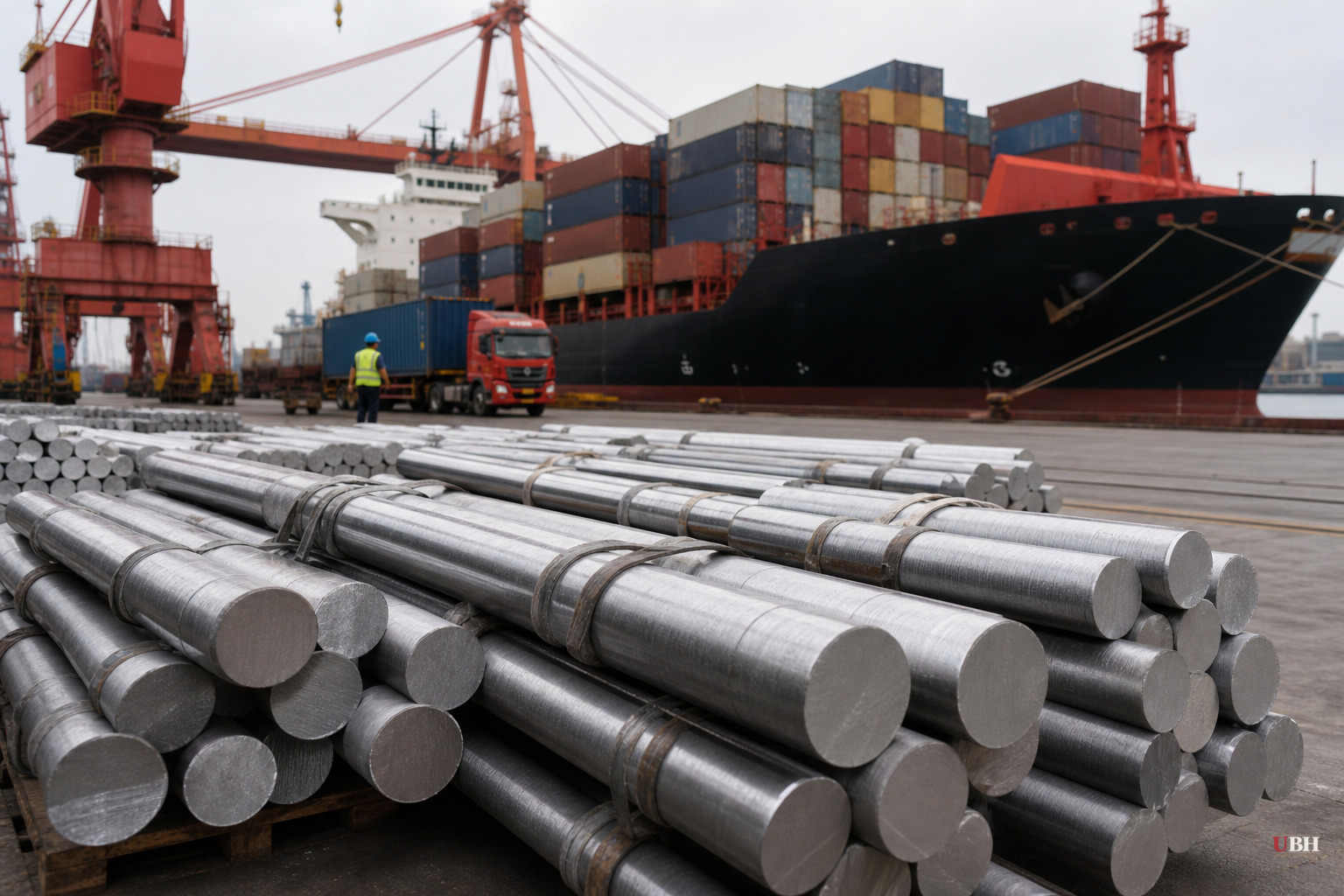
China's rare earth magnet exports to the United States fell for a fifth straight month in March, dropping to 406 tons, according to data from China's General Administration of Customs reported by Tekedia. That's down 9.5% from February and down 30.6% from a year earlier, the lowest monthly figure in nine months.
Combine that with the January-February numbers reported earlier by the South China Morning Post, and the trend holds. Shipments to the US totaled 994 tons over those two months, down nearly 22.5% year-on-year. That marked the fourth consecutive month of decline before March extended it to five.
Europe is picking up what Washington isn't buying. The EU imported 4,775 tons of Chinese rare earth magnets in January and February alone, up 28.4% year-on-year, according to SCMP's reporting of the customs data. That pushed the EU's share of China's total magnet exports to 44.4%. Germany and South Korea now rank ahead of the US as China's top two magnet buyers. The US came in third over that two-month window, accounting for just 9.2% of total exports.
Nationally, China's overall magnet exports aren't collapsing. Tekedia reported total March shipments worldwide hit 5,238 metric tons, up 10.5% from February despite being down 1.6% from a year ago. Global demand for the magnets that power EVs, wind turbines, phones, and precision-guided weapons hasn't gone anywhere. It's specifically the US slice of that demand that's shrinking.
Why Washington's Numbers Are Dropping
The decline lines up with a deliberate US push to cut dependence on Chinese rare earth processing, which Beijing has dominated for decades. Tekedia points to the Minerals Security Partnership, a coalition that includes the US, EU, Japan, and other allies coordinating investment in mining and processing capacity outside China. Washington has also struck bilateral deals with Australia and Canada aimed at securing upstream supply and building refining capacity closer to home.
On top of that, the US has directed funding through the Defense Production Act toward both extraction and processing, the two stages of the supply chain where China has held a near-monopoly. Private companies have also been building rare earth processing plants in North America, though Tekedia's reporting notes that scaling those facilities is slow going given the technical complexity and environmental permitting hurdles involved.
Rare earth trade data is volatile month to month. Some of the drop could reflect inventory cycles, stockpiling that happened earlier, or normal demand fluctuation rather than a permanent structural shift. Tekedia itself flags that possibility directly, noting the decline "may reflect inventory cycles or demand fluctuations" as much as deliberate diversification. Five months of decline is a real trend, not proof of a finished transition.
The transition is nowhere near finished. China still controls not just the mining of rare earths but, more importantly, the processing and magnet manufacturing stages, according to Tekedia. That's the chokepoint. The US can dig up rare earth ore domestically or import it from allies, but turning raw material into finished magnets still runs through Chinese refineries and factories more often than not. Building alternative processing capacity takes years, not months.
What's Actually New Here
This is a continuation, not a fresh crisis. The prior SCMP data covered January and February. The newer Tekedia figures extend the picture into March, confirming the decline wasn't a one-month blip tied to Lunar New Year timing distortions, which China typically smooths out by combining January-February data for that exact reason.
The bigger signal is the widening gap between the US and Europe. While American imports keep shrinking, European buyers are doing the opposite, ramping up purchases and now taking nearly half of everything China ships out globally. This reflects market response to who's picking a trade fight with Beijing and who isn't.
No new US tariff action, export restriction, or Chinese retaliatory measure has been announced alongside this data. The question now is whether the Minerals Security Partnership and Defense Production Act funding actually stand up domestic and allied processing capacity fast enough to matter, or whether the US ends up more dependent on stockpiles and workarounds while China's magnets keep flowing to Berlin and Seoul instead of Detroit.
Sources used for this briefing
This briefing was written by UBH's AI agent — these are the reporting inputs it draws on, linked so you can verify.


