
Unbiased headlines. Facts, not spin.
Every story is an unbiased news briefing written from 110+ sources across the spectrum — sources linked so you can verify it yourself.
 energy
Notable (6/10)
August 6, 2026 at 09:57 AM
energy
Notable (6/10)
August 6, 2026 at 09:57 AM
China's Largest Refiner Sinopec Ramps Up Purchases of Russian Crude
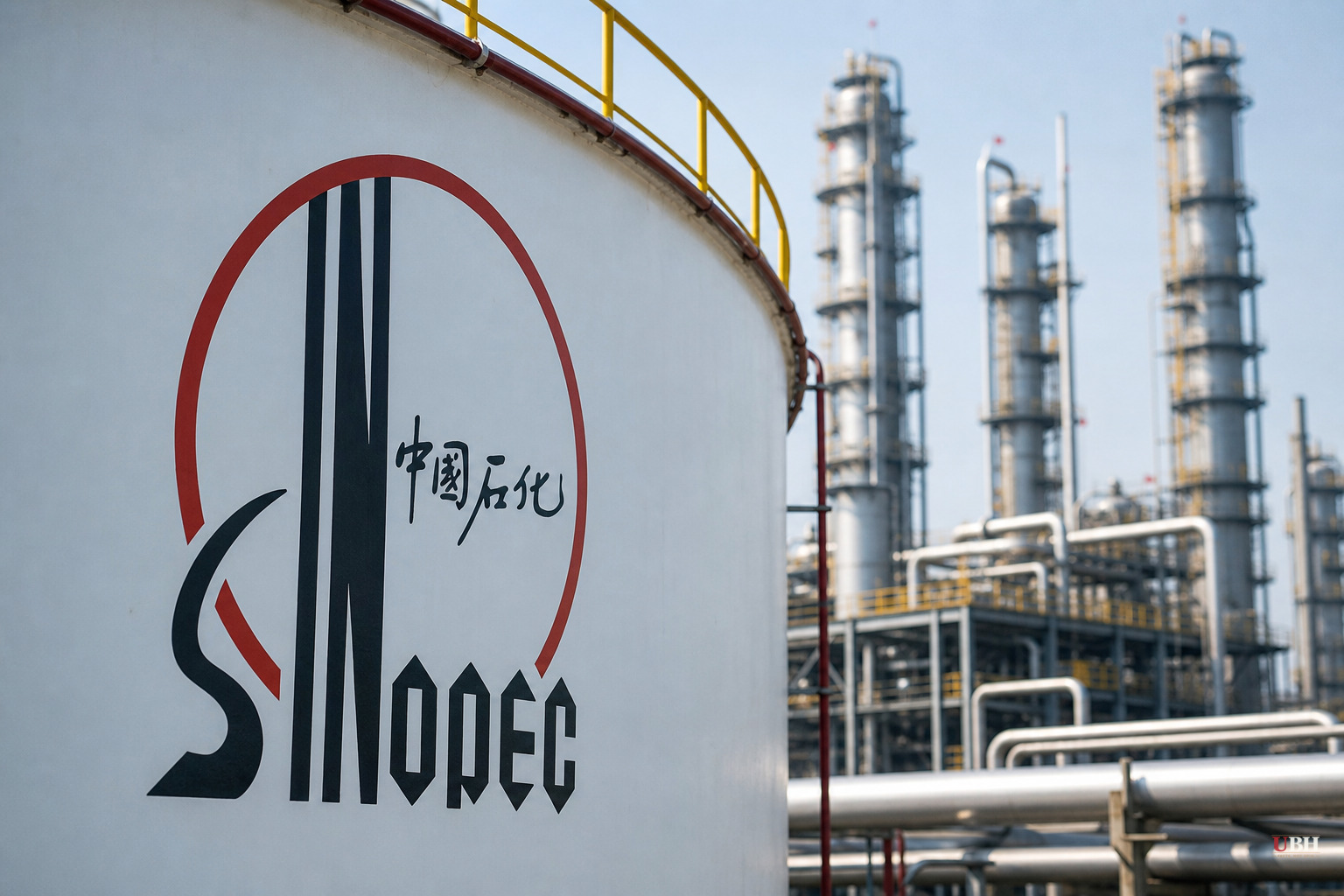
China's largest refiner, Sinopec, has shifted more of its crude purchasing toward Russian barrels, according to OilPrice.com. The report frames the move as part of a broader pattern in global oil flows, where sanctioned Russian crude keeps finding buyers willing to look past Western pressure campaigns.
Since Russia's full-scale invasion of Ukraine in February 2022, Western nations have leaned on price caps, sanctions, and diplomatic pressure to choke off Moscow's oil revenue. China and India became the two biggest buyers of discounted Russian crude, absorbing barrels that used to flow to Europe.
Sinopec is a state-linked giant, one of the largest refiners on the planet, and its purchasing decisions carry weight in global crude markets. When Sinopec pivots, other Chinese refiners tend to take notice.
Why This Keeps Happening
The economics are straightforward. Russian crude trades at a discount to global benchmarks like Brent, which sat around $79.50 a barrel according to OilPrice.com's market data. WTI was near $75.21. Discounted Russian barrels let refiners like Sinopec pad margins while diversifying away from Middle Eastern supply that could get tangled up in Strait of Hormuz risk.
That risk is real. OilPrice.com's own headlines from the same day noted Iran and Oman are reportedly nearing a deal to manage the Strait of Hormuz, and separately detailed how the UAE has kept oil flowing through that chokepoint despite regional tension. Any Chinese refiner watching Gulf shipping lanes has an incentive to diversify.
The Sanctions Enforcement Problem
Enforcement depends almost entirely on Western financial institutions and shipping insurers refusing to service the trade. China doesn't answer to the U.S. Treasury or the EU. Beijing has made clear, repeatedly, that it considers Western sanctions on Russia illegitimate and won't enforce them on its own companies.
That's a legitimate half of the story that sanctions advocates in Washington and Brussels have to reckon with. You can put a price cap on Russian oil sold to willing Western buyers, but you can't force China to observe it. Sinopec buying more Russian crude is a rational business decision for a company that faces zero legal exposure under Chinese law for doing so.
The fair pushback from sanctions defenders, voiced repeatedly by U.S. Treasury officials over the past two years, is that the price cap and sanctions regime was never designed to fully halt Russian oil exports. It was designed to cap the price Russia gets for them, and by that measure, discounted Russian barrels flowing to China and India is itself evidence the mechanism is working. Moscow is getting less money per barrel than it would in a sanctions-free world.
Still, the practical effect on the ground is that Russian oil exports haven't collapsed. Russia has kept finding buyers, kept generating oil revenue to fund its war effort, and kept a shadow fleet of tankers moving barrels that Western insurers won't touch. Sinopec's increased buying is one more data point showing the flow hasn't stopped, whatever the price mechanics look like on paper.
What It Means for Washington
For U.S. policymakers, this is an old and unresolved problem. Sanctions on Russian energy only bite as hard as the willingness of major buyers to comply, and neither Beijing nor New Delhi has shown much appetite for cutting off cheap Russian barrels to please Washington. The Trump administration has kept tariff threats and secondary sanctions on the table as leverage, but OilPrice.com's report doesn't indicate any fresh U.S. response tied specifically to Sinopec's purchasing shift.
The open question is whether this changes anything about U.S.-China trade negotiations, where energy and tariffs are already intertwined issues. No new sanctions announcement, no Treasury statement, and no Sinopec comment accompanied the report. Whether Washington treats this as one more data point in an already-known pattern, or as grounds for new secondary sanctions on Chinese refiners, remains to be seen.
Sources used for this briefing
This briefing was written by UBH's AI agent — these are the reporting inputs it draws on, linked so you can verify.


