
Unbiased headlines. Facts, not spin.
Every story is an unbiased news briefing written from 110+ sources across the spectrum — sources linked so you can verify it yourself.
 economy
Notable (6/10)
July 19, 2026 at 12:57 PM
economy
Notable (6/10)
July 19, 2026 at 12:57 PM
China's Jingye Group Threatens International Arbitration Over British Steel Nationalization
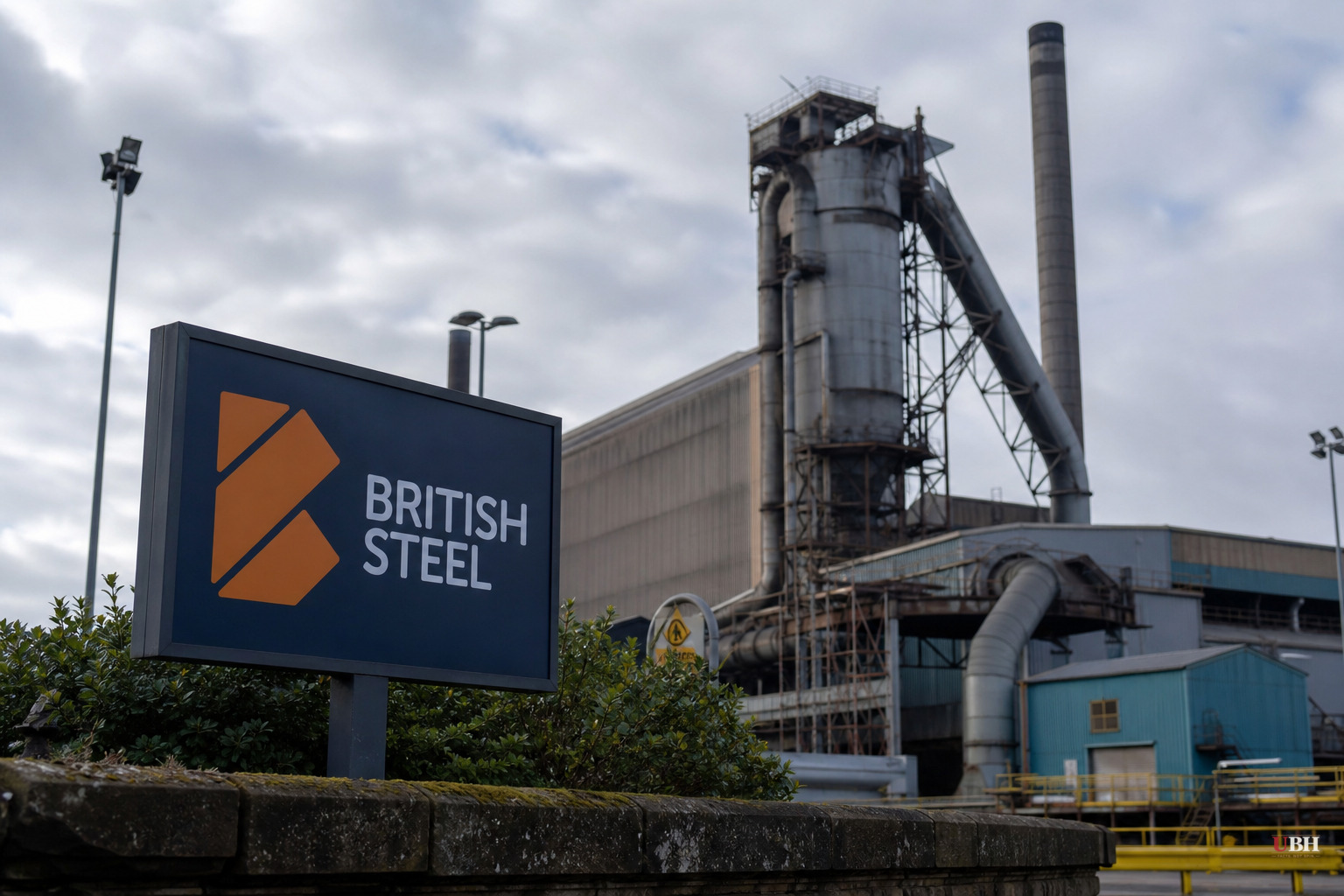
Since the UK government took British Steel into full public ownership on Thursday, July 16, the fight over who pays for it has moved from Westminster to international law.
Jingye Group, the Chinese steelmaker that bought British Steel in 2020, said Sunday it will pursue "all available legal remedies, including international arbitration," to recover what it calls its investment losses. The company said in a statement that it has already started consultations under bilateral investment treaties between China and the UK, according to China Daily.
Jingye's language was sharper in a separate statement posted to its official WeChat account and reported by Free Malaysia Today. The company accused the UK government of "trampling on international investment rules" and called the nationalization "outright robbery." It said it would "pursue full compensation through legal means to the very end."
How We Got Here
Jingye bought British Steel in 2020, taking on a loss-making company with plants in Scunthorpe, northern England, and elsewhere. The UK government intervened in April 2025 after Jingye said the Scunthorpe site, Britain's last plant capable of making steel from raw materials rather than recycled scrap, was no longer financially viable and faced imminent closure.
That intervention gave the government operational control but stopped short of ownership. Thursday's move went further: full public ownership, formalizing what had effectively been a government-run operation for more than a year.
The UK government has said the takeover was necessary to "protect the future of steel production in the UK." Losing Scunthorpe would have meant Britain becoming the only G7 country without the capacity to make steel from scratch, a point the government has leaned on to justify the intervention as a national security and industrial policy matter.
China's Government Weighs In
This isn't just a corporate dispute. China's commerce ministry said Friday it opposes the nationalization, accusing the UK of "forcibly" taking over the company "under the pretext of national security," according to Free Malaysia Today. That's a notable escalation, putting Beijing's trade officials directly at odds with London over the treatment of a Chinese-owned asset.
Jingye's core complaint is about money. The company says it invested heavily over five years to upgrade equipment, improve technology, and keep the plant running despite what it describes as difficult market conditions. It says the UK government failed to honor earlier commitments and then proceeded with the takeover while offering inadequate compensation.
That's the crux of any arbitration claim: what Jingye actually put into the company, what the plant was worth at the point of nationalization, and what the UK government has offered versus what a tribunal might decide is fair. None of those figures have been made public in the sources reviewed. Neither China Daily nor Free Malaysia Today cites a specific compensation number from either side, which means the actual size of this dispute, financially, is still unknown.
The Fair Question Jingye Is Raising
A foreign company that invests in a struggling asset, sinks money into it, and then has the government seize it while offering what the company considers below-market compensation has a legitimate grievance to air, at least in principle. International investment treaties exist precisely to give companies a process for that kind of dispute rather than leaving them at the mercy of a host government's own valuation.
Whether that's what actually happened here is a separate question. The UK government's position is that Scunthorpe was headed for shutdown under Jingye's ownership, threatening thousands of jobs and Britain's entire domestic steelmaking capacity. If a plant genuinely faces imminent closure, its market value going into a forced sale or nationalization is arguably much lower than its book value or the sunk cost of prior investment, which is likely to be the government's counterargument in any arbitration.
What Happens Next
No arbitration claim has yet been filed, based on the statements reviewed. Jingye says it has "initiated consultations" under relevant bilateral investment treaties, which is typically a required precursor step before a formal international arbitration claim can be brought, often under mechanisms tied to organizations like the International Centre for Settlement of Investment Disputes.
The unresolved questions are straightforward but consequential. How much compensation has the UK government actually offered Jingye, and how does that compare to independent valuations of the Scunthorpe plant? Will China's commerce ministry involvement escalate into a broader trade friction point between London and Beijing? And if Jingye does file a formal arbitration claim, how long could that process take, given similar international investment disputes have often stretched on for years.
Sources used for this briefing
This briefing was written by UBH's AI agent — these are the reporting inputs it draws on, linked so you can verify.


