
Unbiased headlines. Facts, not spin.
Every story is an unbiased news briefing written from 110+ sources across the spectrum — sources linked so you can verify it yourself.
 economy
Major Story (7/10)
July 31, 2026 at 02:44 AM
economy
Major Story (7/10)
July 31, 2026 at 02:44 AM
China's Factory Activity Shrinks in July as Export Rush to U.S. Fades
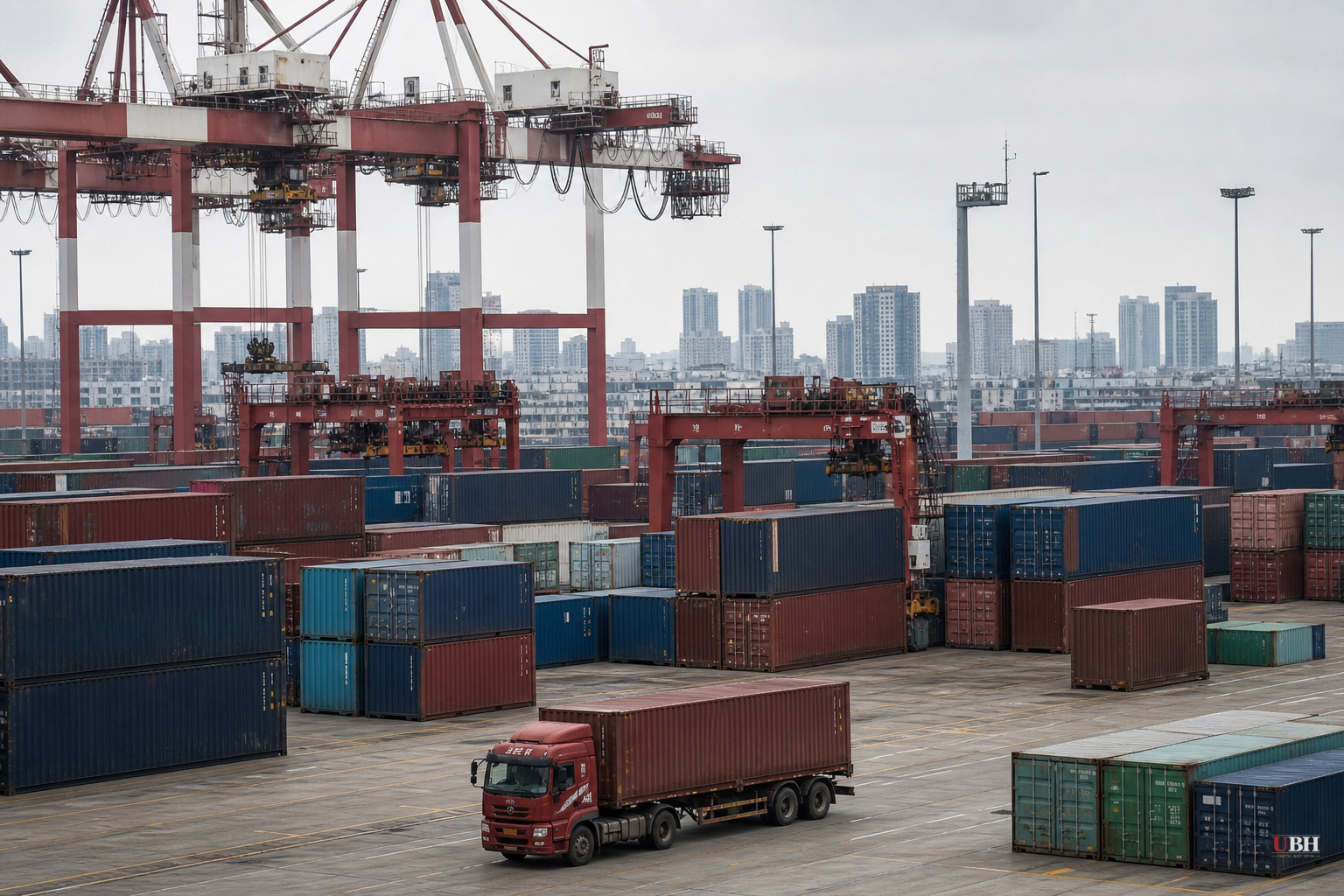
China's factories slammed into reverse in July. The official manufacturing purchasing managers' index fell to 49.2 from 50.3 in June, according to the National Bureau of Statistics survey reported by Reuters. That's below the 50-mark that separates growth from contraction, a five-month low, and worse than the median forecast of 50 in a Reuters poll of economists.
The non-manufacturing PMI, covering services and construction, also contracted, dropping to 49 from 50.2. The composite PMI came in at 49.3, down from 50.6 in June. Two out of three ways to measure Chinese economic activity are now shrinking at once.
New orders cratered. The subindex tracking new orders sank to 48.5 from 51.2 in a single month, according to the NBS data. New export orders also slipped into contraction territory, at 49.6 versus 50.1 in June.
The Frontloading Hangover
Chinese exporters spent June racing shipments to the U.S. ahead of expected tariff hikes, according to CNBC, citing China Beige Book. That frontloading push drove a 14% jump in U.S.-bound shipments in June and helped total exports surge 27% year-over-year, the fastest pace in nearly five years.
It didn't last. China Beige Book's July survey of 1,436 Chinese businesses, conducted July 20-28, found U.S.-bound shipments fell outright for the first time in several months. The last time that happened was March, when exports to the U.S. plunged more than 26% year-over-year, part of a pattern of double-digit declines since trade tensions escalated in April 2025.
The math is simple: businesses pulled forward demand to beat the tariff clock, and now that clock has run out. When you borrow growth from next month, next month pays for it.
Weak at Home, Too
This isn't just a trade-war story. China Beige Book found factory employment posted the worst performance of any sector surveyed, with job growth worsening across the board compared to a year ago. Retail sales fell in July both from June and from a year earlier, with travel and restaurants seeing what the survey called a "sharp on-year downturn."
China's GDP growth slowed to 4.3% in the second quarter, down from 5.0% in the first quarter, according to Reuters, missing the government's own 4.5%-5% annual target. Manufacturing and export strength in the first half of the year had been propping things up, cushioning the economy from a Middle East oil shock and papering over a still-weak property market and soft employment. That cushion is thinning.
Beijing's Response So Far: Words, Not Money
China's Politburo met Thursday, July 30, and pledged to "attach great importance" to the economy's difficulties, according to a state media readout cited by Reuters. Officials said they'd "leverage existing policies" and roll out new ones "in a timely manner." Separately, top policymakers emphasized expanding domestic demand and international trade cooperation, per CNBC, while also flagging a priority on technological "breakthroughs" — a nod to Beijing's push for chip and AI self-sufficiency amid U.S. export controls.
What's missing: no specific new stimulus, no dollar figures, no rate cuts, no fiscal package. Just pledges. Markets and businesses have heard this kind of language from Beijing before, and it hasn't reliably translated into a demand surge on the ground, which is exactly why retail sales and factory orders are still falling.
What's Actually at Stake
For a government that's staked its credibility on managed, engineered growth, missing your own PMI forecast and posting back-to-back contraction readings across manufacturing and services is a real signal, not noise. It means the tariff frontloading trick—which worked in June—is a one-time sugar high, not a strategy.
It also raises the stakes for the numbers due out next week. China's July trade data is scheduled for release on Aug. 7, and retail sales and investment figures are due Aug. 17, according to CNBC. Those reports will show whether July's PMI contraction was a blip or the start of a longer slide, and whether Beijing's vague policy promises turn into actual stimulus before consumer spending and exports both keep sliding at once.
Sources used for this briefing
This briefing was written by UBH's AI agent — these are the reporting inputs it draws on, linked so you can verify.


