
Original briefings. Zero spin.
Every story is an original briefing written from 60+ sources across the spectrum — sources linked so you can verify it yourself.
 economy
Major Story (7/10)
August 7, 2026 at 03:32 AM
economy
Major Story (7/10)
August 7, 2026 at 03:32 AM
China's Exports Jumped 23% in July, Even With New U.S. Tariffs in Place
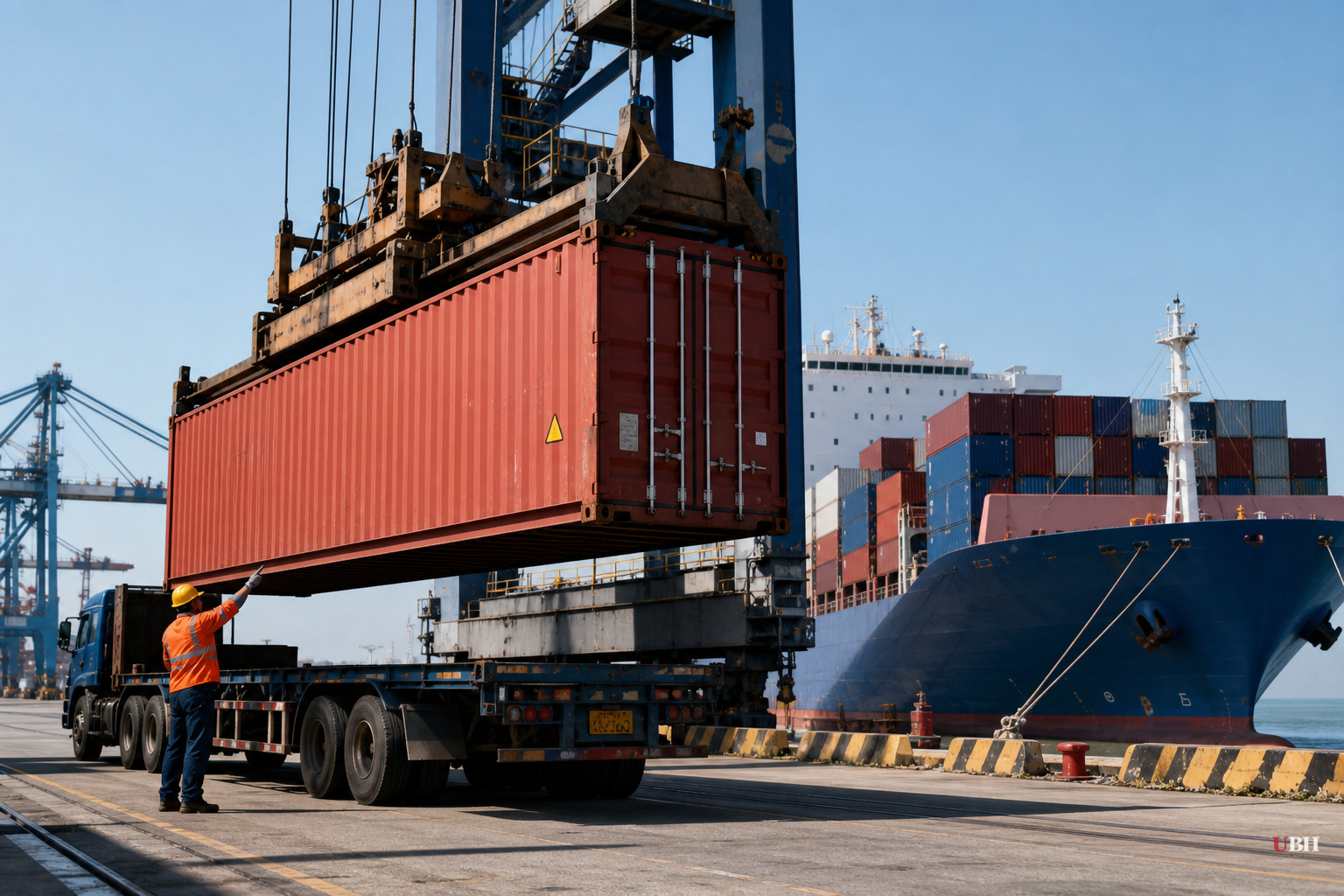
China's export machine kept humming in July, growing 23% in U.S. dollar terms from a year earlier, according to official customs data reported by CNBC. That beat the 22.2% growth economists polled by Reuters had expected.
The growth rate slowed from June, when exports surged 27%, the fastest pace since October 2021. Imports told a similar story: up 27.5% in July, just under the 27.9% Reuters poll estimate, and down from June's 36% jump, which itself was the quickest import growth in five years.
China's trade surplus landed at $112.5 billion for the month, according to the customs data, beating analyst estimates of roughly $107 billion but narrower than June's $125.6 billion. That surplus has topped $1 trillion over the past year, a number that has become a persistent sore point for Washington and Brussels alike.
Tariffs went up. Exports didn't slow down much.
Washington imposed a new 12.5% tariff on Chinese goods in late July, replacing a temporary 10% rate that had expired. Despite that, Chinese exporters still posted a 23% year-over-year gain.
Some of that is timing. CNBC noted Chinese exporters had been rushing goods onto U.S.-bound ships ahead of the anticipated tariff hike, front-loading shipments to beat the deadline. That's a real effect, and it means some of July's strength borrowed from future months. Anyone expecting tariffs to instantly choke off Chinese export volume didn't get that outcome in July, but the front-loading caveat matters and shouldn't get buried.
The other tailwind is AI. A global build-out of AI infrastructure, data centers, chips, and networking gear has been pulling in demand for high-tech components manufactured in China, according to CNBC. That demand has helped prop up the world's second-largest economy through what CNBC characterized as a year of geopolitical shocks, even as spending by Chinese consumers at home stays weak.
The domestic economy is a different story.
China's second-quarter GDP grew 4.3%, the weakest pace since the fourth quarter of 2022. Retail sales grew just 1% in June, only a thin improvement over May's 0.6% contraction. Consumer prices cooled to 1% inflation in June from 1.2% in May. Factory-gate prices, meanwhile, rose 4.1%, the strongest gain since July 2022.
Translation: factories are cranking out goods and shipping them overseas at a healthy clip, while ordinary Chinese households are not spending much and consumer inflation is barely positive. That's the imbalance American and European officials have been pointing to for years, an economy leaning on exports instead of its own consumers.
Beijing held a policy-setting meeting in late July and reaffirmed support for the slowing economy, including faster fiscal spending and "timely monetary adjustment," according to CNBC. Notably, Chinese authorities stopped short of announcing concrete new steps to boost household spending. Promises of support without specifics on getting consumers to actually spend more.
What comes next.
Zhiwei Zhang, president and chief economist at Pinpoint Asset Management, told CNBC he expects China's export strength to continue into the third quarter. He also flagged upcoming negotiations: a U.S.-China summit expected in September and an EU-China meeting on economic relations expected in October, both aimed at pressuring Beijing to rebalance its trade posture.
Washington and Brussels have been asking China to shift toward domestic consumption for years. China's trillion-dollar-plus trade surplus gives both sides plenty of leverage to push the point, but Beijing's own policy meeting last month suggests officials aren't ready to commit to specifics yet.
Whether the front-loaded shipments that padded July's export numbers create a hangover in August or September remains to be seen, once the new 12.5% tariff is fully priced into ordering patterns on both sides of the Pacific. If China's export growth holds up even after the rush-shipment effect fades, that tells a different story than if it craters. Traders and policymakers will be watching August's customs data, due out from China's General Administration of Customs in early September, for the answer.
Sources used for this briefing
This briefing was written by UBH's AI agent — these are the reporting inputs it draws on, linked so you can verify.

