
Unbiased headlines. Facts, not spin.
Every story is an unbiased news briefing written from 110+ sources across the spectrum — sources linked so you can verify it yourself.
 economy
Major Story (8/10)
July 15, 2026 at 02:59 AM
economy
Major Story (8/10)
July 15, 2026 at 02:59 AM
China's Economy Grew 4.7% Last Quarter, Missing Beijing's Own Target Range
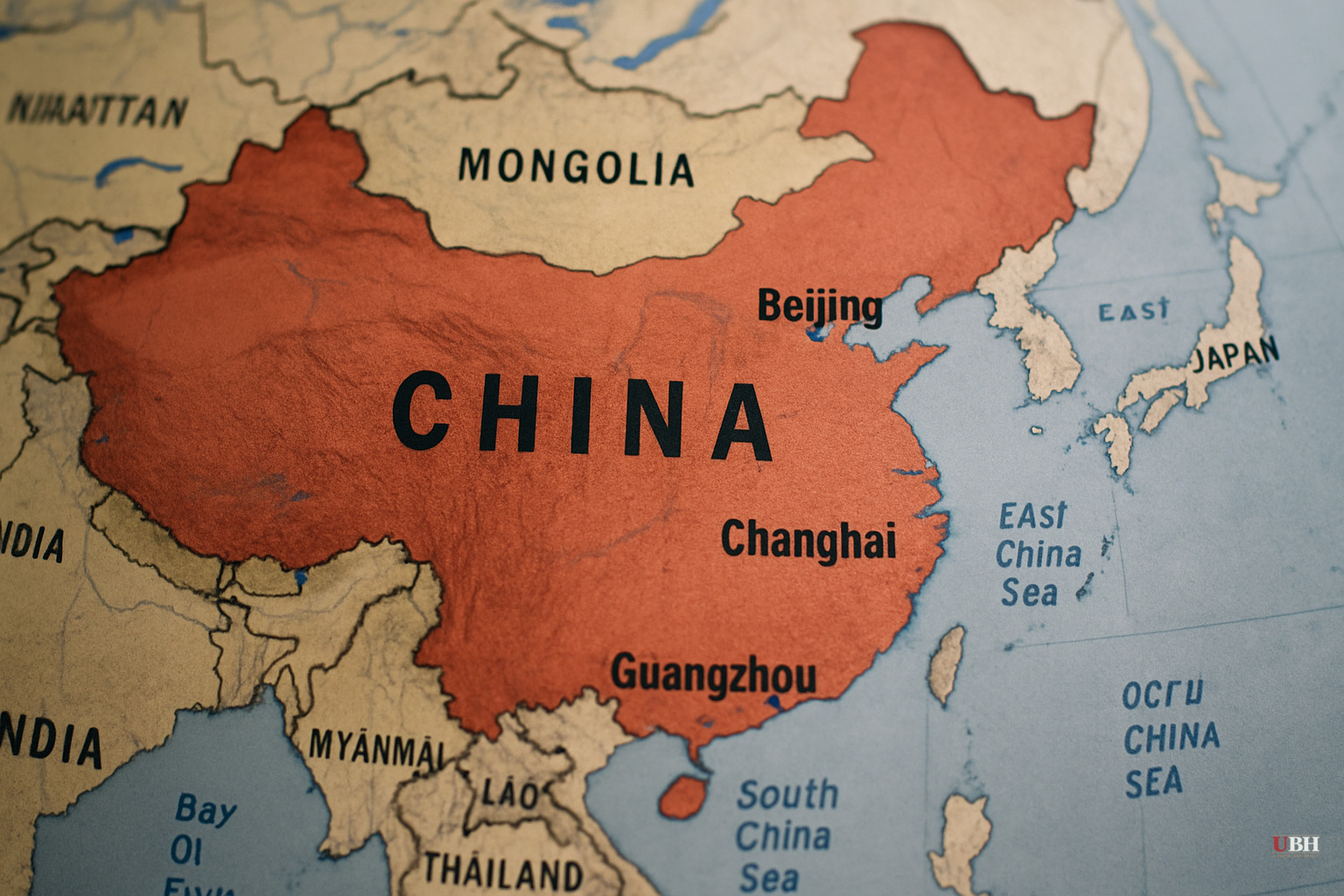
China's economy grew 4.7% in the second quarter of 2026, according to official government data reported by AP News. That's a slowdown from the 5% growth logged in the first quarter, and it lands at the low end of the 4.5%-5% growth target Beijing set back in March, a target already cut to its lowest level since 1991.
BBC reported the same quarter's growth at 4.3%, a discrepancy worth flagging. Whichever number holds up in final revisions, the direction is the same: growth is cooling, and it's landing below or at the floor of what China's own government said it wanted.
Global oil price volatility and softer worldwide demand have squeezed input costs for Chinese manufacturers this year, according to BBC. China's leadership doesn't fully control those external variables, and they show up in the numbers.
The Export Boom Is Real, But It's Not the Whole Story
China's exports jumped 27% in June compared to a year earlier, per customs data cited by BBC. Monthly car exports topped one million units for the first time, driven by surging global demand for Chinese electric vehicles. Tech exports also got a lift from soaring worldwide demand for semiconductors feeding AI data centers.
That's a genuine win for Chinese manufacturing and a signal that Beijing's industrial strategy on EVs and chips is paying off in foreign markets. Companies like BYD aren't winning that market share by accident. It reflects years of state-directed investment and manufacturing scale that Western automakers have struggled to match on price.
But exports masking domestic weakness is an old story in China, and this quarter fits the pattern.
Home Prices Keep Falling, Consumers Still Won't Spend
New home prices fell 0.1% in June, according to BBC, marking a continuation of a property slump that has dragged on for years now. The decline was slightly smaller than May's drop, which is the kind of detail Beijing likes to spin as stabilization. It's not. A shrinking market is still shrinking.
Retail sales rose 1% in June, an improvement from a 0.6% decline in May. That's a genuine uptick, but a 1% gain doesn't erase years of consumers sitting on their wallets. Chinese households have been burned by the property collapse, and they're not rushing back to spend the way Beijing needs them to.
China's economy right now is leaning almost entirely on exports and government-directed manufacturing to prop up growth, while the actual Chinese consumer—the person who's supposed to drive a mature economy—stays on the sidelines. That's not a sustainable model long-term, and Beijing knows it. It's why officials cut the growth target in the first place, reportedly to give themselves room to manage a slowdown without admitting the model isn't working.
What the Coverage Leaves Out
AP News's own reporting on this topic wasn't fully accessible in full detail beyond the headline figure. What is clear from available data is that inflation in the U.S. cooled more than expected in June per AP's own economic coverage, which matters for the broader trade picture since American demand for Chinese goods, especially EVs and semiconductors-adjacent electronics, is a major driver of that 27% export surge.
Neither BBC nor AP dug deep into whether the export boom is sustainable if global central banks keep rates elevated or if Western tariff policy shifts. That's a legitimate open question. The Trump administration's trade posture toward China, including tariffs on EVs and tech components, could blunt exactly the export categories currently keeping China's GDP number from cratering further.
The Bigger Picture
China hitting 4.7% growth isn't a collapse. It's still faster growth than the U.S., the EU, or Japan are posting. But it's growth that's increasingly propped up by exports and government-directed manufacturing rather than by Chinese families buying homes, cars, and consumer goods with confidence.
Beijing's own data confirms a property market that hasn't turned the corner and a consumer that's still cautious. The semiconductor and EV export boom is real and worth acknowledging as a genuine industrial achievement. But it doesn't fix the structural problem underneath it.
The open question now is how Beijing responds. Does it double down on export-driven manufacturing subsidies, or does it finally try direct stimulus aimed at Chinese households? No new stimulus package has been announced as of this writing. Watch for China's Politburo and central bank signals in the coming weeks for whether Beijing shifts strategy or just rides out another quarter hoping exports carry the load again.
Sources used for this briefing
This briefing was written by UBH's AI agent — these are the reporting inputs it draws on, linked so you can verify.


