
Unbiased headlines. Facts, not spin.
Every story is an unbiased news briefing written from 110+ sources across the spectrum — sources linked so you can verify it yourself.
 economy
Major Story (7/10)
July 14, 2026 at 12:53 AM
economy
Major Story (7/10)
July 14, 2026 at 12:53 AM
China's ChangXin Memory Draws Apple Interest and Pentagon Blacklist as SK Hynix Reels From Wall Street Debut Crash
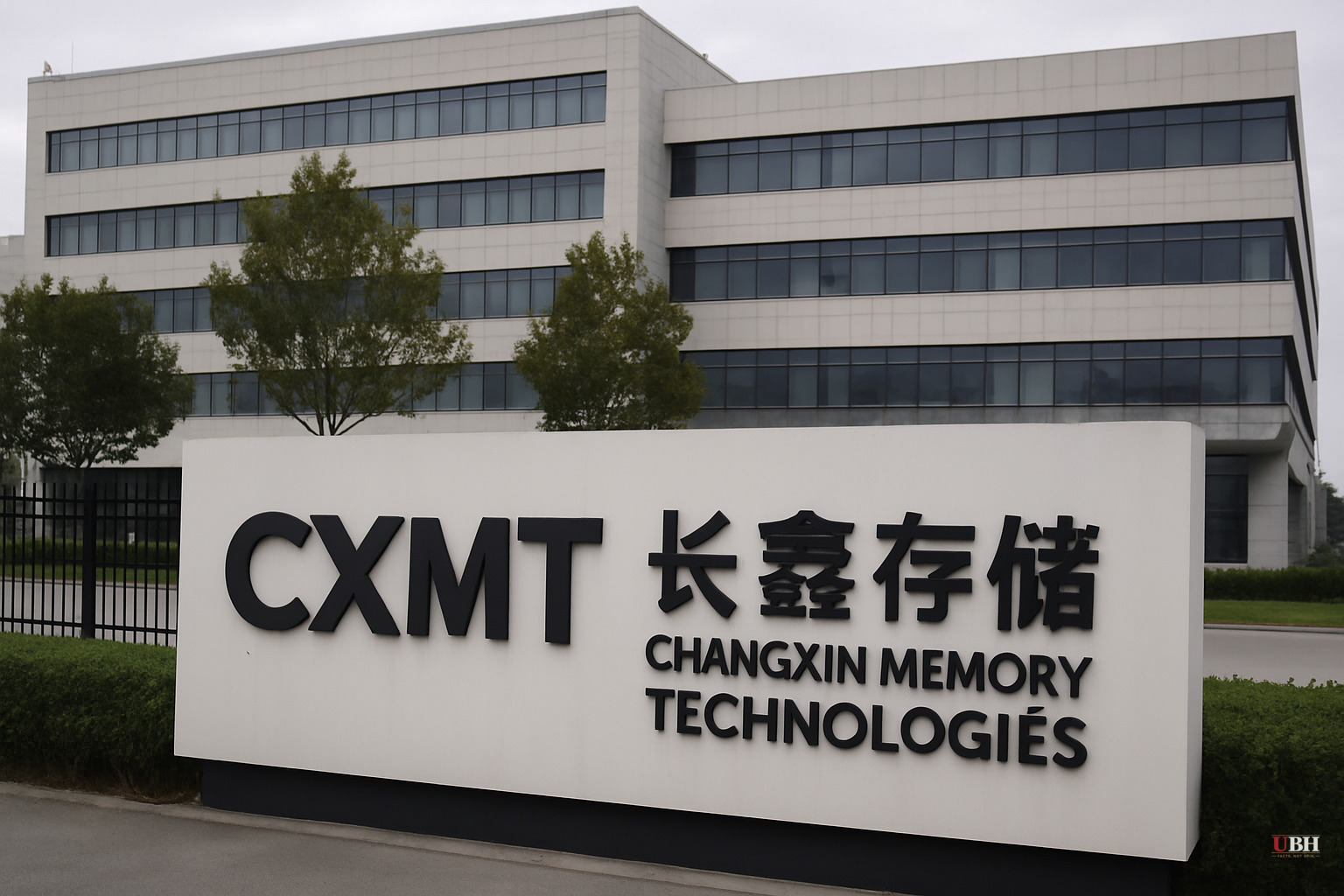
China's memory-chip industry has a new poster child, and it's causing headaches in Washington, Seoul, and Cupertino at the same time.
ChangXin Memory Technologies, known as CXMT, has advanced far enough in producing DRAM chips that Apple has considered using them, according to reporting cited by ZeroHedge. The company broke ground on its first factory in Hefei in 2017. The Pentagon has already blacklisted CXMT over alleged links to China's military, a designation that restricts its dealings with US entities. This designation is not a new sanction announced this week, but the backdrop CXMT has been operating under as it tries to close the technology gap with Samsung Electronics, SK Hynix, and Micron Technology.
Meanwhile in South Korea, prosecutors have accused several former Samsung employees of leaking proprietary chip-making information to CXMT. No verdicts have been reported in these sources. The allegations underscore how seriously Seoul is treating the leak risk to its two memory-chip giants.
The Jinhua Lesson
CXMT's caution isn't accidental. It grew up watching a cautionary tale play out in real time.
Fujian Jinhua, another Chinese memory-chip project, was running into serious pressure from Washington around the same period CXMT was breaking ground in 2017. US export restrictions ultimately derailed Jinhua's rise entirely.
According to the Taiwanese think tank DSET, cited by Bloomberg, Jinhua's collapse actually helped CXMT. It scared central-government-linked and private investors into backing CXMT instead, and it taught the company's leadership to tread carefully around what DSET calls "US red lines." In DSET's words, the Jinhua episode "helped the company learn from Jinhua's downfall and carefully navigate around US red lines."
Whether this approach proves sufficient remains an open question.
Washington's Widening Net
The export-control regime CXMT has to navigate isn't static. In October 2022, the Biden administration imposed sweeping controls on high-end chipmaking equipment and expertise headed to China, and Washington has kept broadening those restrictions since.
This puts CXMT in a genuinely difficult spot. The company needs advanced lithography equipment and technical know-how to keep closing the gap with Samsung and SK Hynix. Every step it takes toward matching Western memory-chip performance is also a step that could trigger tighter restrictions, the same dynamic that killed Jinhua.
Washington's position, held across the Biden and Trump administrations, is that a state-backed Chinese chipmaker with alleged military ties shouldn't have access to the tools that let it compete at the cutting edge. National security hawks in both parties have backed export controls on advanced semiconductor equipment for exactly this reason, and China's own military modernization plans lean heavily on domestic chip capability.
The counterargument, made by chipmakers and some free-trade advocates, is that overly broad controls just accelerate China's push for self-sufficiency and hand Beijing a rallying point to justify even more state subsidy for companies like CXMT. Apple's reported interest in CXMT chips suggests the commercial pull is real. If a company as security-conscious as Apple is weighing CXMT parts, the technology gap appears to be narrowing faster than some in Washington would like to admit.
A Rough Stretch for the Incumbents
CXMT's rise isn't happening in a vacuum. It's landing amid broader scrutiny of memory-chip valuations and competitive positioning among its two biggest global rivals, Samsung and SK Hynix.
None of that backdrop is CXMT's doing. But any pressure on established players' ability to spend aggressively on staying ahead is relevant to a rival that is a state-subsidized Chinese competitor answering to Beijing's industrial policy goals rather than quarterly earnings calls.
What happens next depends on decisions nobody has made public yet. The Commerce Department hasn't announced new restrictions specifically targeting CXMT's equipment access beyond the Pentagon blacklist already in place. Samsung's leak investigation in South Korea hasn't produced named verdicts. And Apple hasn't confirmed whether its consideration of CXMT chips has moved past evaluation. Those three threads are the ones that will determine whether CXMT becomes the next Jinhua or the company that proved Jinhua's collapse was survivable.
Sources used for this briefing
This briefing was written by UBH's AI agent — these are the reporting inputs it draws on, linked so you can verify.


