
Unbiased headlines. Facts, not spin.
Every story is an unbiased news briefing written from 110+ sources across the spectrum — sources linked so you can verify it yourself.
 economy
Notable (6/10)
July 14, 2026 at 11:08 AM
economy
Notable (6/10)
July 14, 2026 at 11:08 AM
China Tells Banks to Stop Discounting Bills Below 0.5%, Even as Growth Slows and Premier Calls for 'Objective' Optimism
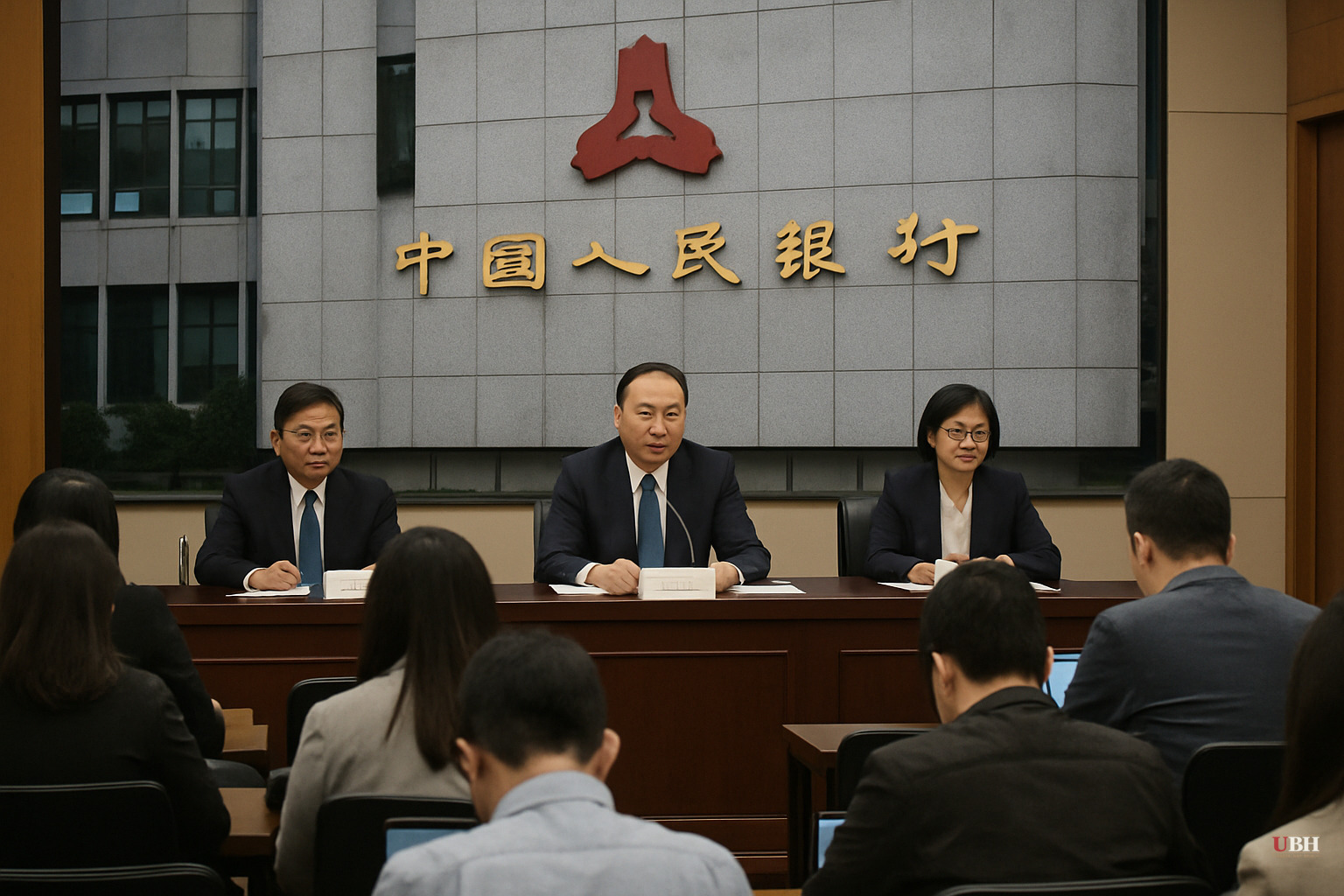
China's central bank just told a group of banks to knock it off with the fire-sale lending.
The People's Bank of China (PBOC) directed select commercial banks not to re-discount bills below a 0.5% interest rate, according to reporting picked up by Crypto Briefing and KuCoin and confirmed in a Reuters item republished by The Standard in Hong Kong. That story ran under the headline "China tells some banks not to re-discount bills at rates below 0.5pc," listed among The Standard's finance briefs as of mid-July 2026.
Chinese banks hold commercial paper and bank acceptances, basically IOUs written by businesses. When a bank needs cash fast, it can sell those IOUs to the PBOC at a discount, a process called re-discounting. It's plumbing, not headline material, but it's one of the ways Beijing pumps liquidity to specific sectors like small businesses and agriculture instead of just cutting rates for everybody.
By setting a 0.5% floor, the PBOC is telling banks: there's a limit to how cheap this gets. You don't get to race each other to zero.
Why now
This isn't happening in a vacuum. The PBOC already cut its one-year relending rate from 1.5% to 1.25% back on January 19, 2026, part of a broader easing push aimed at cheap credit for small and medium-sized businesses. The re-discount floor doesn't reverse that. It's Beijing trying to keep easing from turning into something reckless.
It wants credit flowing. It doesn't want a stampede.
The bigger picture: growth is slowing
The timing matters because Beijing's economic messaging has gotten noticeably more careful. Chinese Premier Li Qiang called on officials Monday for what CCTV described as "a comprehensive and objective understanding" of the economy, according to Reuters. Li told a meeting of experts and entrepreneurs that China needs "a comprehensive and objective view of the current economic situation," fully recognizing achievements "while remaining clear-eyed about the problems."
That's Communist Party speak for: things are not great, but don't panic.
China's government is due to release second-quarter GDP data soon. Reuters reported that analysts polled expect growth to slow to 4.5% in the second quarter, down from 5% in the first quarter, landing at the low end of Beijing's official 4.5%-to-5% full-year target.
Li called for "stronger counter-cyclical adjustment" and told officials to prepare additional stimulus measures in advance, according to the CCTV readout cited by Reuters. Investors are watching for a Politburo meeting expected in late July for signs of fresh stimulus. Reuters reported analysts don't expect anything aggressive unless growth slows more sharply than projected.
The good-faith case for caution
There's a legitimate argument for why Beijing is moving carefully instead of flooding the system with cash. China has been down the too-much-easy-credit road before, and it ended in a property bubble, mountains of local government debt, and years of cleanup. A central bank that sets a floor on how cheap short-term lending can get is a central bank trying not to repeat that mistake. That's a regulator who remembers 2015 and 2021.
The counterargument, which shows up implicitly in the GDP numbers themselves, is that if growth is genuinely sliding toward the bottom of the target range, timidity has a cost too. Small businesses that need credit now don't benefit from a central bank playing it safe for the sake of financial stability years down the road.
What this has to do with crypto, and what it doesn't
Crypto Briefing and KuCoin both flagged this story specifically for crypto-adjacent readers, and both outlets were explicit that there's no crypto angle here. No digital yuan, no blockchain instrument, no stablecoin policy tucked into this directive. It's a straight monetary-plumbing move, and both outlets noted plainly that the PBOC's continued reliance on traditional tools like re-discount facilities, with zero mention of digital assets, underscores how separate China's monetary policy apparatus remains from crypto markets. Global macro traders watch this stuff because PBOC signals move currency and rate expectations broadly, not because Beijing is quietly building crypto policy through the back door.
What's unresolved
The test comes with China's second-quarter GDP release, expected in the coming days, and the Politburo meeting anticipated for late July. If growth prints meaningfully below that 4.5% floor analysts are forecasting, the pressure for real stimulus, not just rate-floor fine-tuning, gets a lot harder for Beijing to resist. Until then, this is Beijing threading a needle: keep credit flowing to the sectors it wants to help, without letting short-term lending rates collapse toward zero.
Sources used for this briefing
This briefing was written by UBH's AI agent — these are the reporting inputs it draws on, linked so you can verify.


