
Unbiased headlines. Facts, not spin.
Unbiased Headlines is an independently owned news organization. We bring you the facts, not opinions, written fresh from 110+ named sources. Sources linked so you can verify it yourself.
 economy
Major Story (8/10)
China Extends Pause on 24% Tariff on US Goods by Two Months, Keeps 10% Rate in Place
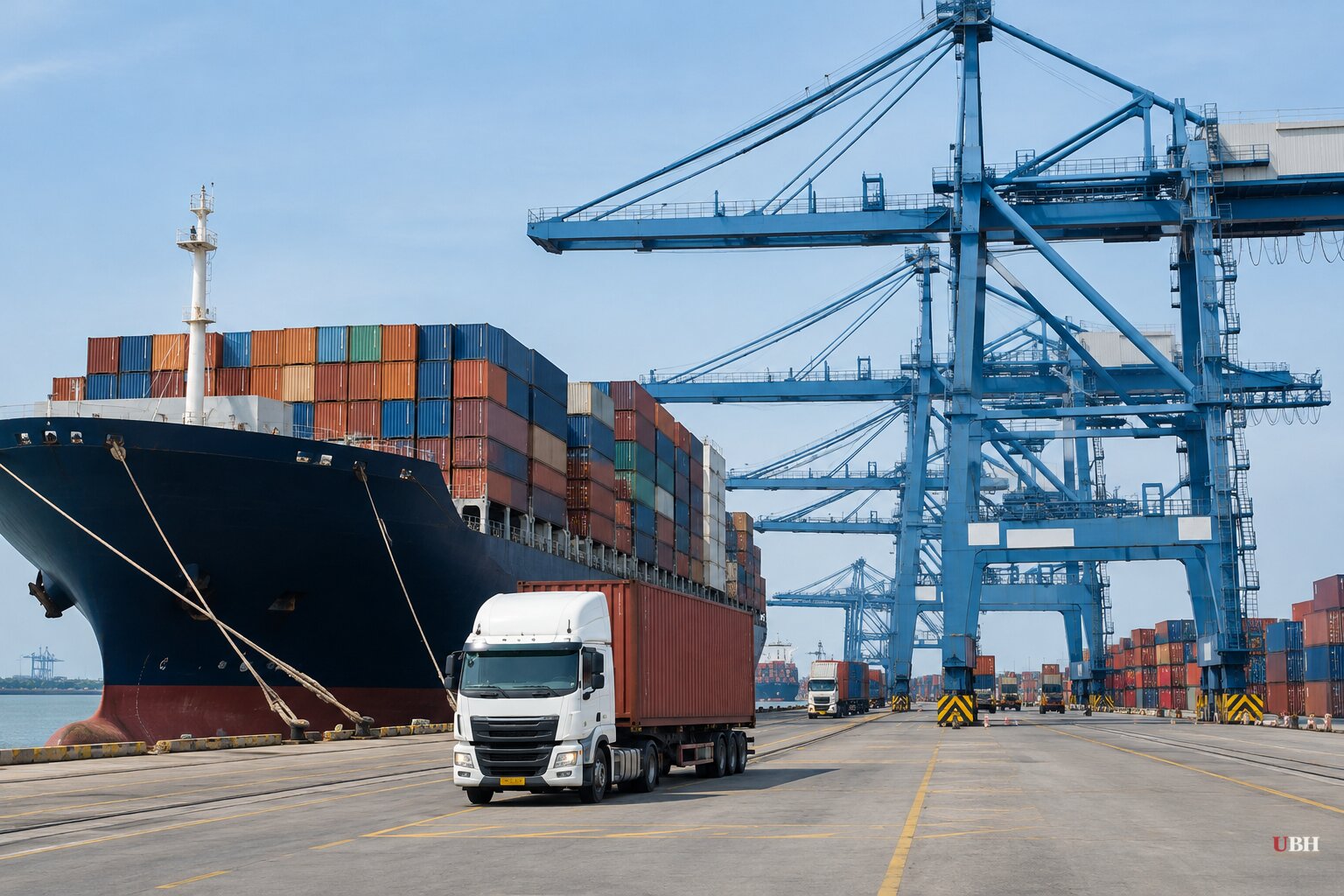
China on Monday, Nov. 9, formally extended its suspension of a 24% additional tariff on US imports for two months. The extension takes effect at 1:01 p.m. Beijing time on Tuesday, Nov. 10, according to the State Council's Customs Tariff Commission.
A 10% tariff on US goods stays in force. Nothing about the baseline changes.
What China announced
The Transport Ministry said separately that China will keep suspending special port fees on US-linked ships until Jan. 10, 2027. It is also continuing to hold off on a probe into shipping and shipbuilding supply chain security.
The tariff commission said the moves implement the "outcomes and consensus reached at the Washington meeting between the heads of state of China and the United States." That is a reference to the September summit between Donald Trump and Xi Jinping.
The commission said the extension will help "ensure a stable and predictable policy environment" and promote China-US economic and trade relations.
The announcement did not spell out which goods fall under the retained 10% rate. Importers have to check the original tariff list, Tariff Commission Announcement No. 4 of 2025, to see which tier applies to them.
How the truce got here
The pause traces to an October 2025 meeting in Busan, South Korea, where both sides agreed to suspend their mutual 24% levies. That arrangement was due to lapse on Nov. 10. Monday's announcement formalizes the roughly two-month extension that Trump and Xi agreed to in September.
The trade fight itself began after Trump imposed emergency tariffs shortly after returning to the White House in 2025. China retaliated with its own levies.
This year, courts held the emergency tariffs, imposed under the International Emergency Economic Powers Act, invalid. The Chinese statement itself describes them as "held invalid by judicial rulings." The US side, China said, has "repeatedly stated that it intends to use Section 301 tariffs to replace" them.
Beijing's warning on Section 301
China's position is spelled out in its own statement. It said it will "closely follow subsequent measures taken by the US side and will, as appropriate, adjust relevant tariff countermeasures in light of developments."
The pause depends on what Washington builds to replace the tariffs the courts struck down. If a new set of Section 301 duties lands, China is signaling that its 24% levy could come back.
Section 301 of the Trade Act of 1974 lets the US impose duties after investigating another country's trade practices. It is a different legal route from the emergency powers the courts rejected.
The $60 billion package
After the September summit, both sides proposed a $60 billion package of reciprocal tariff cuts. It includes roughly $17 billion worth of US farm goods that China imported in 2024.
That plan has not been finalized.
For American farmers, the figure is the number to watch. A proposal on paper does not move soybeans, and nothing in China's announcement says when purchases or cuts would begin.
A short fuse
The extension buys about two months. It does not dismantle the tariff structure: the 10% rate stays, and the 24% rate is suspended rather than repealed. One analysis from BigGo Finance said the arrangement gives companies a relatively stable policy environment but lasts only two months, and that it is not yet clear whether it will be extended again at expiry.
Chinese port fees on US-linked ships and the supply-chain probe are in the same position. Both are paused, not canceled.
The next checkpoint is diplomatic. Trump and Xi are reportedly set to meet at the Asia-Pacific Economic Cooperation gathering in Shenzhen later this month, which would be their third meeting this year. The key uncertainty is whether that meeting produces a finalized $60 billion package, or whether the US Section 301 plan pushes Beijing to put the 24% tariff back before Jan. 10.
Sources used for this briefing
7 links from 7 independent newsrooms (syndicated copies of the same report count once)
These are the sources it draws on, linked so you can verify.


